New poll: Trump's approval rating remains below 40% as voters burdened by rising costs turn to Democrats
Overall, women, Hispanic voters — who had largely swung toward Trump and the Republicans in the last election — voters under 35 and white voters with college degrees are now tipping the balance toward the Democratic Party, while Republicans remain strong among white men and white voters without a college education.
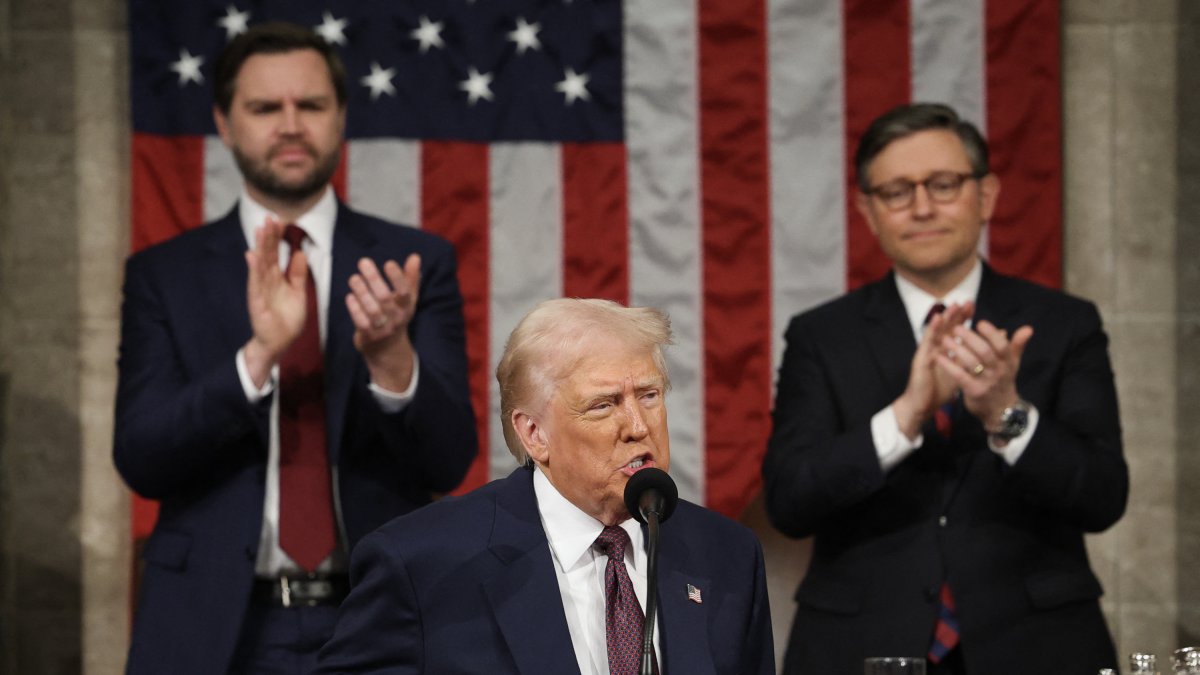
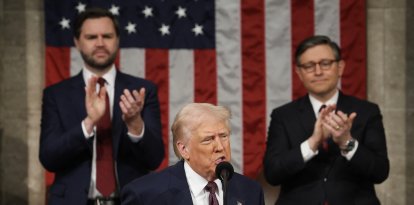
Trump in Congress in a file photo

With less than two months to go before the midterm elections, a new poll by Fox News revealed how the electorate feels uneasy about the country's current direction and the economic and political status quo. Two figures illustrate this.
According to the results, only 39% of voters approve of President Donald Trump, compared to 61% who disapprove, a figure that has failed to rise above the 40% threshold since April. In other words, there is a clear trend of unpopularity that has not improved since the war with Iran began to have domestic economic consequences. Against this backdrop of discontent, Democrats maintain a seven-point lead in the generic legislative poll: 51% versus 44%.
The driving force behind this discontent is, to the surprise of few, the economy. Nearly three-quarters of voters rated economic conditions over the past year negatively, and more than three times as many say they are losing ground financially compared to those who feel they are making progress. Gas prices are now a concern for 61% of those surveyed — 13 points higher than two years ago, when Trump took office —while the cost of healthcare rose from 44% to 52% over the same period. Housing and food are also among the main sources of stress, although both indicators declined slightly compared to previous polls, offering a glimmer of hope for Republicans ahead of the midterms.
Tariffs also represent another source of wear and tear for the White House. Sixty-four percent of voters believe they harm the U.S. economy, seven points more than last year. Among Republicans, opinion is even divided, which is also negative for the Trump administration: 41% believe they help, while 36% believe they harm. Overall, 63% of all respondents — including a quarter of Republicans themselves — say the current administration has worsened the economy.

That pessimism extends into the future. Sixty-eight percent believe that the next generation will be worse off, just two points below the all-time high recorded in 2022, when Joe Biden was already in the White House. Only 8% say they feel enthusiastic about how the government is currently functioning, while 33% — including more than half of Democrats — describe themselves outright as "angry."
"When pundits and analysts talk about the fundamentals favoring the Democrats in this midterm, they are mostly referring to the economy," explained Republican pollster Daron Shaw, who conducts the survey alongside Democrat Chris Anderson. "Time is running out for the administration and its supporters to convince voters that things are improving."

The Democratic lead is not absolute, but it is significant: among voters who say they are completely certain they will vote, the gap widens to eleven points, demonstrating that one base is far more motivated. And in counties considered electoral battlegrounds—where the difference between Trump and then-Vice President Kamala Harris in 2024 was less than ten points—the Democrats also lead by nine points.
Overall, women, Hispanic voters —who in the last election had largely rallied behind Trump and the Republicans—, those under 35, and white voters with college degrees are now tipping the balance toward the Democratic Party, while Republicans remain strong among white men and white voters without a college education.
The war with Iran also weighs on the electoral equation. Sixty percent of those surveyed believe the United States made the wrong decision by intervening militarily, and within that group, 77% favor the Democratic candidate in their district.
What's interesting is that the backlash isn't limited to the pro-Trump establishment. Both parties have a negative image: the Democrats with a net rating of -11 points (44% favorable, 55% unfavorable) and the Republicans with -17 (41% to 58%). Among those who view both parties negatively—known as "double haters"—the Democratic lead in their districts climbs to 26 points.
Despite the adverse outlook, Trump retains significant influence within his own Republican base, with 52% of Republicans and 75% of those who identify with the MAGA movement stating that his endorsement increases the likelihood that they will support a candidate.
LATEST