Rick Scott calls Delcy Rodríguez 'the head of drug cartels' and warns that a photo with Trump would be ‘a slap in the face’ for Venezuela
"She put people in prison. She ran the prison system. She's had drug cartels," Scott said of Rodríguez: "I'm always going to call her for what she is. She's a horrible person. And she doesn't care at all about the people of Venezuela."
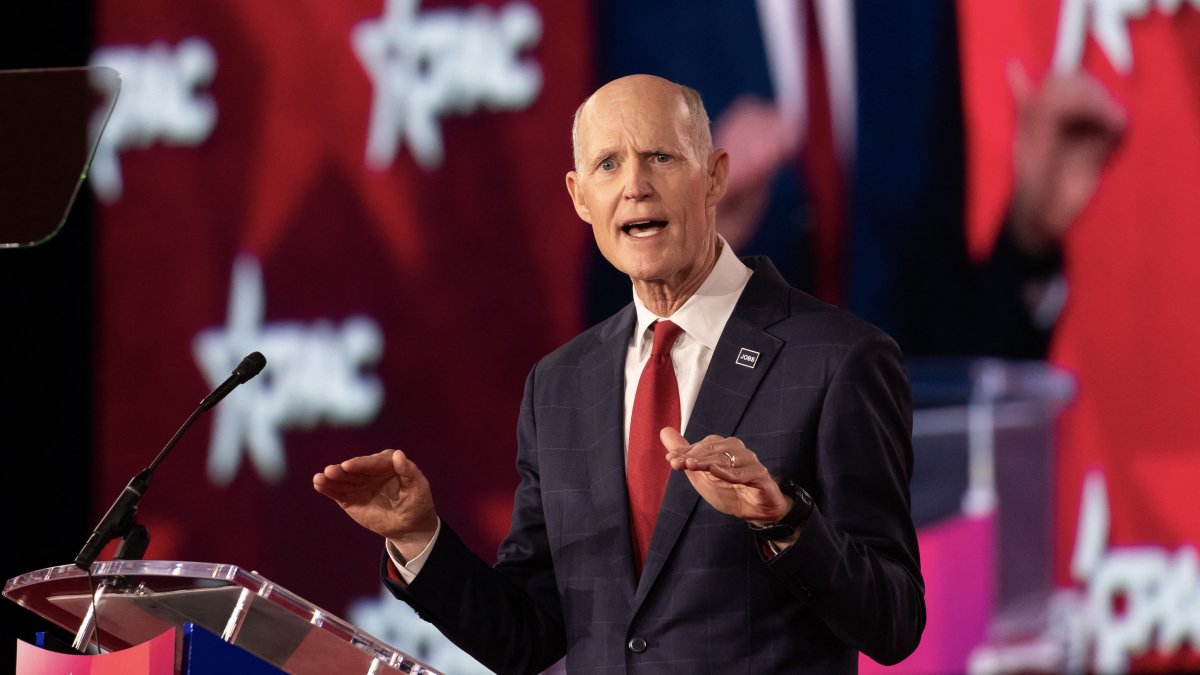
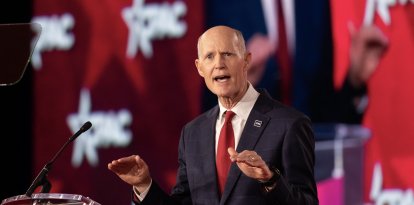
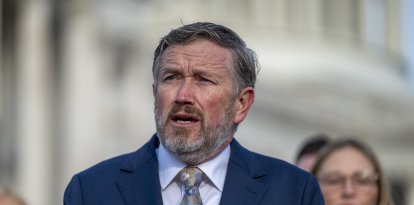
Senator Rick Scott in a file photo

Florida Republican Senator Rick Scott launched a harsh attack against Delcy Rodríguez, the interim leader of the Venezuelan regime, as Washington evaluates a possible meeting between her and President Donald Trump during the UN General Assembly in New York.
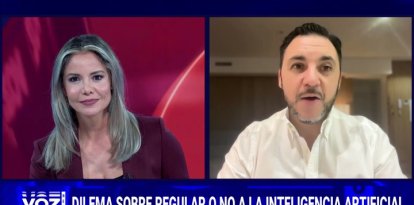
In an interview with Venezuelan journalist Carla Angola, Scott recalled Rodríguez's track record, who for years was a critic of the U.S
"Unfortunately, you know, Desi Rodriguez is not a legitimate president. She's the head of drug cartels. She's not released all the political prisoners. She's not stopped the oppression. She's not called for elections. And so she's not a friend of the United States. She's not a friend of the people of Venezuela," Scott said.
When asked what it would mean to him to see a photograph of Trump or Secretary of State Marco Rubio alongside Rodríguez on U.S. soil, Scott was very clear: "I think it's a slap in the face to the people of Venezuela. That she still keeps her family members in prison. I think it's a slap in the face that people are still dealing with oppression. I think it's a slap in the face to people that Maduro and Chavez and her have abused over the years. It's a slap in the face that people had to leave Venezuela just to feed their families."
The senator then renewed his attacks on Rodríguez, whom he described as a persecutor of political dissent in Venezuela.
"She put people in prison. She ran the prison system. She's had drug cartels," he stated, adding, "I'm always going to call her for what she is. She's a horrible person. And she doesn't care at all about the people of Venezuela."
These statements come against a backdrop of several recent gestures of rapprochement between Washington and the interim regime. Recently, the United States invited Rodríguez's interim regime to the G20 energy ministerial in Houston, aiming to shift the global oil hub away from the Middle East. In addition, Bloomberg revealed that Rodríguez herself is considering traveling to New York next week to attend the UN General Assembly, which would place her in the same city where former dictator Nicolás Maduro remains detained following his capture by U.S. forces.
Politics
Delcy Rodríguez considering traveling to New York for UN General Assembly while Washington explores possibility of meeting
Andrés Ignacio Henríquez
When asked about that possibility, Trump responded ambiguously: "Maybe so, maybe so," while Rubio said a personal meeting "will likely take place" if the trip is confirmed.
Scott also strongly criticized the recent oil agreement between Washington and the interim regime, which involves the controversial businessman Alejandro Betancourt, accused of corruption and currently under investigation in several countries for money laundering, and widely criticized for his shady business dealings with the Chavista regime.
"Our job is to be fair to the people of Venezuela. These resources are not the resources of the United States. They're the resources of the people of Venezuela. And they need to be used for the benefit of the people of Venezuela. So, if there's obligations to the United States, then we ought to be compensated for those obligations. But the value of the oil should be for the benefit of the people of Venezuela. It's their country. We don't own Venezuela."
Regarding the wave of arrests by ICE against Venezuelans in Florida, many of whom have pending asylum cases, Scott defended the legal assistance his office provides. "Well, first off, the protection of Venezuelans that are here, you know, they've applied for asylum. They're, you know, going through the process. They have a right to be here. I'm going to do everything I can," the senator said, adding that currently "about a third of the cases" handled by his office are related to immigration.
Regarding María Corina Machado, who is in exile and unable to return to Venezuela for reasons that remain unclear to this day, Scott focused on the interim Chavista regime: "And that tells you that Desi Rodriguez... If she's not back there, it tells you that Desi Rodriguez is not making the country safe. I mean, it's telling you the story. It's still a dangerous place for freedom fighters."
LATEST