Trump rules out intervening in Lindsay Clancy Case: 'It's actually a state situation'
The president's response comes after Kevin Reddington, Clancy's attorney, publicly asked Trump to pardon his client, despite acknowledging that the president lacks the authority to grant a pardon in a state matter.
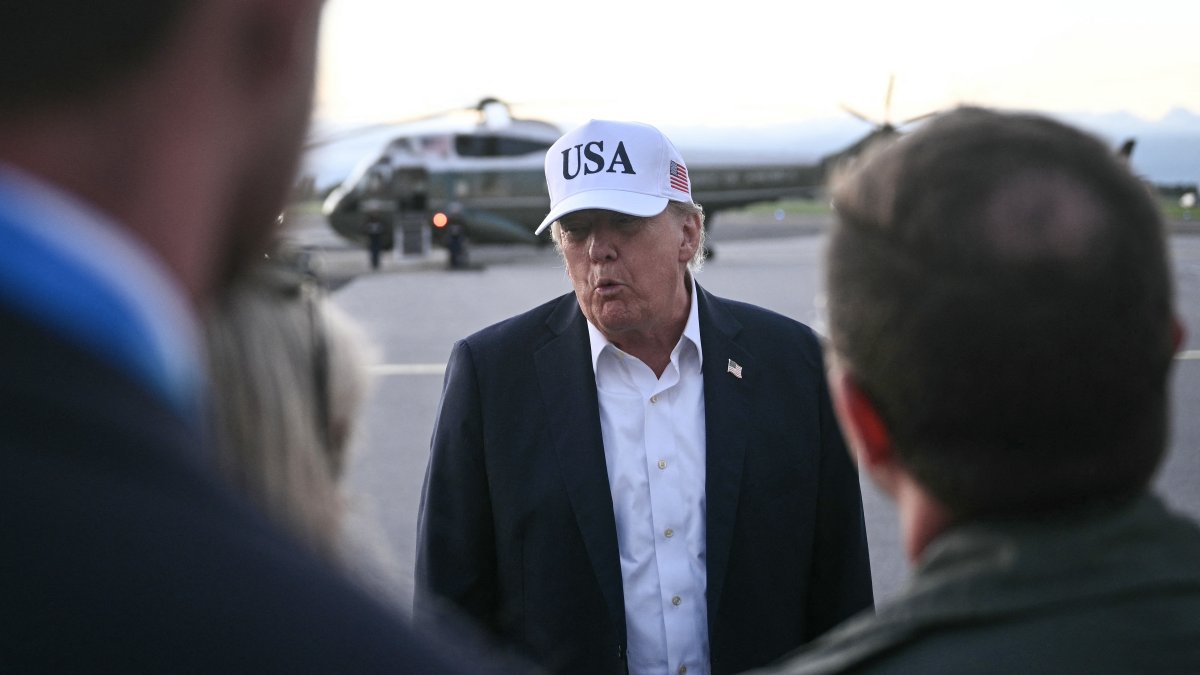
President Donald Trump

President Donald Trump stated this Sunday, in remarks to reporters on the tarmac at Shannon Airport in Ireland as he departed for the U.S., that he has no intention of intervening in the case of Lindsay Clancy, the Massachusetts mother accused of killing her three young children, following a public request from her attorney for him to grant her a pardon.

Politics
The Clancy Case: DeSantis Accuses NBC of Targeting the Jury and Offers Him Asylum in Florida
Luis Francisco Orozco
"There are no winners here": Trump's response
When asked directly if he would pardon Clancy, Trump described the case as "very sad," but emphasized that it is a "state situation," not a federal one. "There's no winner there. There's no win no matter what you do. Three children are dead," the president said.
Trump added that the resolution must come from the local level, though he praised the defense attorney's work: "He's a good attorney. I've heard from other people he's a very good attorney. I hope they can work it out. ... That's something they have to work out. It's very sad. There is no win there."
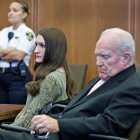
Pardon request and constitutional limits
The president's reaction comes after Kevin Reddington, Clancy's attorney, publicly asked Trump to pardon his client, even while acknowledging that the president lacks the authority to grant a pardon in a state matter. Reddington had expressed hope that Trump could, at the very least, influence the outcome of the case.
In earlier statements, Trump had already warned that Clancy would have a "price to pay" for the deaths, though he acknowledged the severity of her mental state: "I assume there's going to be another trial. It's a terrible situation. Look, she did a horrible, horrible thing—can't be worse. But we'll find out what the price to pay is—there'll be a price. It'll be a mental institution or jail or something."
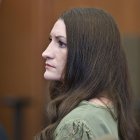
The case: Three deaths and a hung jury
Her defense argues that she was suffering from postpartum psychosis, a severe but rare psychiatric disorder that causes a sudden loss of touch with reality following childbirth. According to what Reddington explained on "Good Morning America," Clancy was treated by a psychiatrist who, according to the attorney, had been practicing for barely a month and presented herself as an expert in postpartum disorders; Reddington argued that this treatment and the medication she was prescribed were "the worst thing that could have happened to her."
The first trial ended in a mistrial earlier this month, after the jury deadlocked following nearly a week of deliberations. According to the jury foreman and several panel members who spoke with NBC afterward, the vote was 11 to 1: 11 jurors were inclined to find her not criminally responsible by reason of insanity, and one juror refused to return that verdict. She now faces a possible retrial.
LATEST