ANALYSIS
Trade War: Canada's retaliatory tariffs take effect as Trump threatens Bombardier
Ottawa will impose surcharges of 15%, 25%, and 50% on approximately $20 billion worth of U.S. imports, including steel, dairy products, electronics, and paper pulp. According to the Canadian government, this amount exactly matches the value of Canadian products that have been subject to 50% U.S. surcharges since August 22.
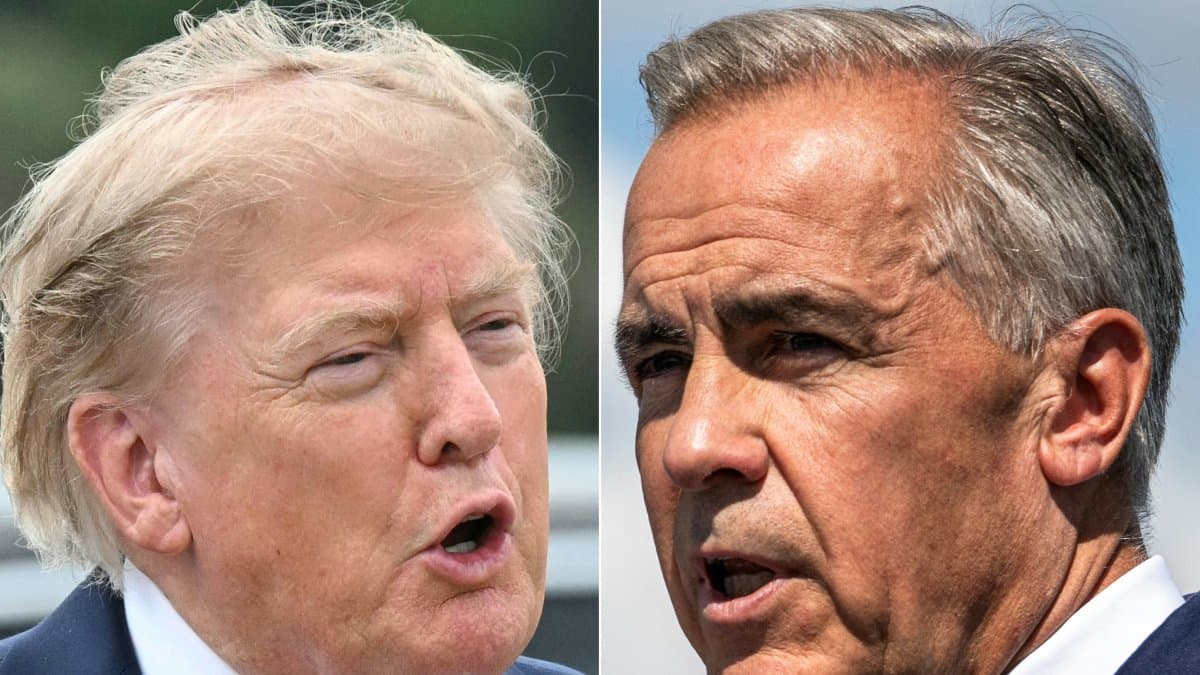

On Tuesday, Canada implemented a series of tariffs on U.S. products in response to the tariffs imposed by Washington in late August, marking a new escalation in a trade war that is already straining relations between the two neighbors.
Ottawa will impose tariffs of 15%, 25%, and 50% on U.S. imports worth approximately $20 billion, including steel, dairy products, electronics, and paper pulp. According to the Canadian government, the amount exactly matches the value of Canadian products affected since August 22 by 50% U.S. tariffs.
Just the News
Cheaper drugs, cheaper beef, cheaper gas. Trump lines up fall affordability before Labor Day
Just The News
Breakdown of negotiations
The conflict escalated on August 21, when Canadian Prime Minister Mark Carney broke off negotiations with the White House. The former central banker accused the United States of trying to impose a "bad deal" with "unfair terms" and of seeking to turn Canada into a "subsidiary" to "destroy" its industry, particularly the automotive sector.
Carney also justified his stance by citing the conditions set by Washington regarding the French language—a politically sensitive issue in Canada—arguing that the draft agreement called into question the status of French-language online media and the requirement for bilingual labeling on products sold in Canada. The White House denied having made this issue a "red line."

Society
Google Maps renames Lake Ontario ‘Lake America’ for US users, but not for those in Canada
Carlos Dominguez
Trump puts pressure on Bombardier
Hours before the Canadian tariffs took effect, President Donald Trump threatened to block U.S. sales by Canadian aircraft manufacturer Bombardier.
"NO MORE SELLING BOMBARDIER IN THE UNITED STATES!" he wrote on his platform Truth Social. He claimed that their planes "aren't good enough," that more than half of the company's revenue comes from the United States and that it relies on U.S. buyers, companies, airports, and services, "All while Canada blocks our GREAT American Banks, and Companies, throughout the U.S.A.."

Just the News
Christian leaders urge Trump to create legal pathway for Jewish Canadians facing antisemitism
Just The News
Furthermore, the president accused Ottawa of preventing Gulfstream Aerospace from operating in Canada —"Completely unjust and unfair!"— and concluded: if they want the U.S. market, "they must build here, and stop treating America like a piggybank."
Back in January, Trump had already threatened to revoke the certification of aircraft manufactured in Canada and impose 50% tariffs on all aircraft sold to the U.S., amid a dispute over the certification of U.S. aircraft on Canadian soil
Bombardier defends itself
In a statement Monday, the aerospace company said it creates "tens of thousands of jobs across the United States," with "direct employment" in more than 20 states, including Kansas, Texas, Arizona and California.
It also said it spends more than $2.5 billion a year with suppliers and described its supply chain as "made up of approximately 2,800 American companies across 47 states."
"Bombardier values its great partnership with American companies and its US employees," the company’s statement said.

Politics
Bill Maher mocks the left's outrage over 'Lake America' with a dig at political correctness
Carlos Dominguez
A risky move for Ottawa
With retaliatory measures already in effect and no resumption of negotiations on the table, the trade war between Washington and Ottawa is entering a phase of heightened friction that is already impacting integrated supply chains.
🛠 Do you think there is an error in this article?
Recommendations





LATEST