Andrés Guilarte in Voz News: Independent Voters and the New Electoral Maps Will Shape the Midterm Elections
With less than two months to go before the midterm elections, the U.S. electoral landscape is entering its most dynamic phase. In an intervi
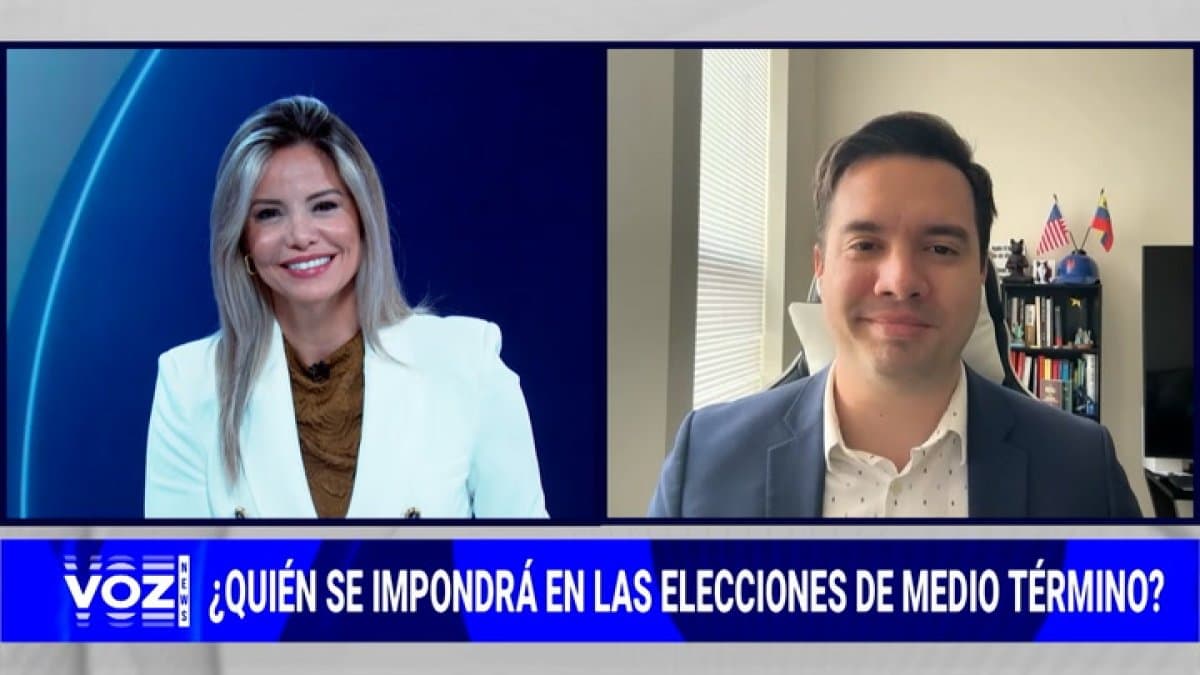

With less than two months to go before the midterm elections, the U.S. electoral landscape is entering its most dynamic phase. In an interview with Karina Yapor for Voz News, pollster and political analyst Andrés Guilarte discussed recent data showing that 46% of voters still haven't made up their minds.
Guilarte attributed this situation to the usual cycle of campaigns, which will drastically increase their advertising budgets in the coming days.
"It's completely normal. We're talking about the beginning of September; practically all the campaigns, committees, and PACs are going to start spending like crazy next week," the expert noted during the news segment.
Guilarte clarified that the undecided segment consists mainly of independent voters who are just beginning to familiarize themselves with the candidates at the local and state levels.
The Likely Voter Factor and the Economy
In analyzing recent polls, Yapor highlighted a Harvard/Harris poll showing Democrats at 46% and Republicans at 40%. However, Guilarte pointed out that when the data is broken down by voters most likely to go to the polls (likely voters), the trend changes.
"In that same poll… those who actually plan to vote… would show Republicans leading by two points," Guilarte explained.
Although he described that result as an outlier—since it was the first poll to show that lead—he emphasized that public perception factors such as inflation, gas prices, and the conflict with Iran will have a decisive influence on the final decision.
Redistricting and the Senate Race
The analysis also considered the effect of redistricting implemented following the last census. According to the analyst, the reconfiguration of districts has altered traditional calculations in historically contested areas or those with a high Hispanic population, citing complex situations in states such as Texas.
Guilarte emphasized that the dynamics of the House of Representatives differ considerably from the Senate race. As an example, he cited the case of North Carolina, where a potential Democratic victory at the state level will not automatically result in the loss of congressional seats for the Republican Party, precisely because of the new district boundaries.

Updates
Tragedy in Nevada desert: Deaths of two attendees within 24 hours cast shadow over final days of Burning Man
Andrés Ignacio Henríquez

🛠 Do you think there is an error in this article?
Recommendations



LATEST