Trump questions Fauci's pardon as Rand Paul seeks to hold him in contempt: What could happen?
Before leaving office, Biden granted Fauci a broad pardon covering any potential federal crimes allegedly committed between January 1, 2014, and January 20, 2025.
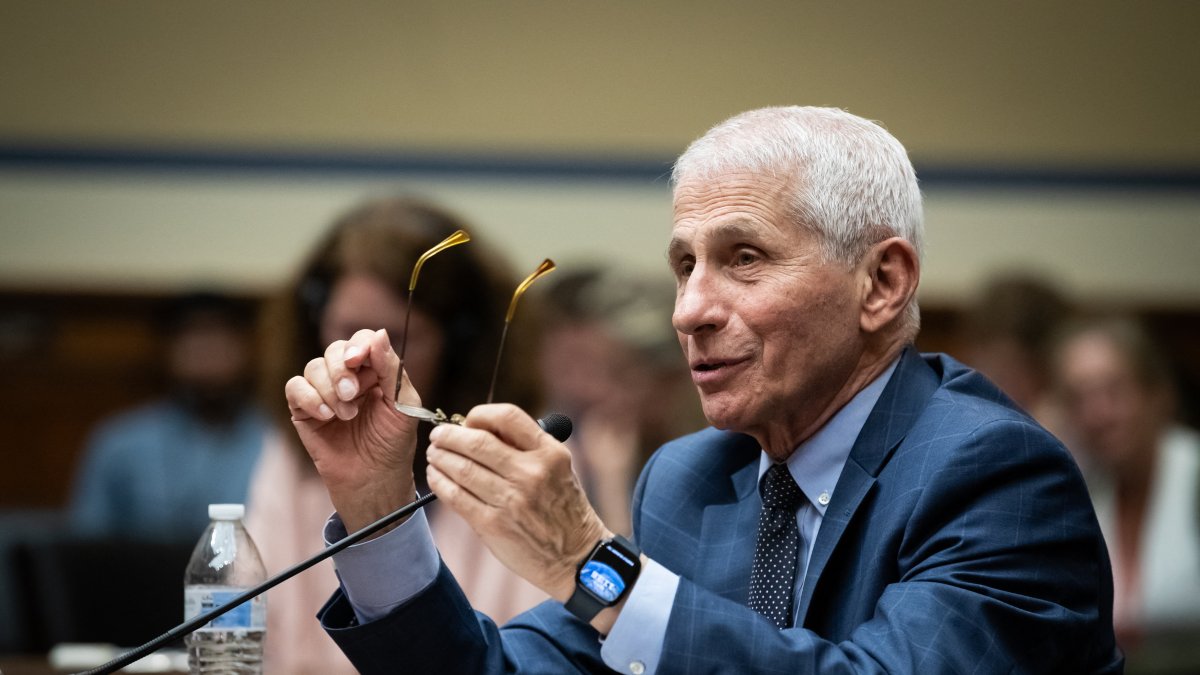
Anthony Fauci in a file photo.
On Wednesday, President Donald Trump publicly questioned former President Joe Biden's decision to grant a pardon to Dr. Anthony Fauci, shortly after the former health official invoked the Fifth Amendment on numerous occasions during a Senate hearing examining the federal government's response to the COVID-19 pandemic. Before leaving office, Biden granted Fauci a broad pardon covering any potential federal crimes allegedly committed between January 1, 2014, and January 20, 2025. The pardon came approximately two years after Fauci retired from public service, bringing to a close a 38-year career as director of the National Institute of Allergy and Infectious Diseases.
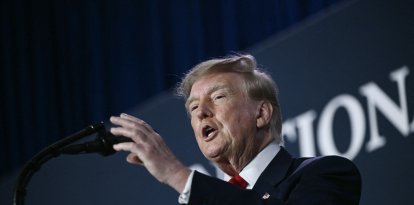
During a conversation with reporters in the Oval Office, Trump highlighted the broad constitutional power that presidents have to grant pardons. "The most powerful thing a president has, they say, is the power of pardon. So he was pardoned by Biden, and I respect that. I know how powerful it is. … They say it’s literally the most powerful thing a president has," explained Trump, who questioned whether the pardon had been personally signed by his predecessor. "He probably didn't sign this one. So, I can’t tell you what the law is. I’ve heard that you have to have a lot of proof, you need to have letters, you need to have all sorts of things."
Trump's remarks came after Fauci testified before the Senate Committee on Homeland Security and Governmental Affairs in a hearing that lasted more than three hours. During the session, the former official invoked his Fifth Amendment right against self-incrimination 111 times, as Republican lawmakers questioned his handling of the pandemic.
What does it mean, from a legal standpoint, to hold Fauci in contempt?
Before the hearing, the committee chairman, Republican Senator Rand Paul, released thousands of pages from Fauci's personal diary covering the period from 2019 to 2022, which spans the most critical years of the pandemic. In his opening statement, Fauci accused Paul of attempting to build a criminal case against him and asserted that this was the reason he decided not to answer lawmakers' questions. Following the hearing, Paul announced that he will seek a committee vote next week to hold Fauci in contempt of Congress.

Politics
Robert F. Kennedy Jr. denounces Fauci's incalculable damage to Americans' trust in public health
Andrés Ignacio Henríquez
While the Kentucky senator's threat to hold Fauci in contempt of Congress carries significant political weight, several experts have explained that, in cases like this, this does not automatically entail criminal consequences, as he invoked the Fifth Amendment, which protects any person from being compelled to testify if their answers could incriminate them. If that right was properly invoked, refusing to answer does not, in and of itself, constitute contempt.
Even if the Senate committee passes a contempt resolution, several steps would still be necessary: the full Senate would have to endorse it, and subsequently, the case could be referred to the Department of Justice, which is not required to file charges and would assess whether there is a legal basis for doing so. Furthermore, the pardon granted by Biden does not automatically eliminate Fauci's right to invoke the Fifth Amendment. Legal experts have explained that this right may still apply if his answers could expose him to other legal risks not covered by the pardon.
While it is true that Paul's threat marks the beginning of a legislative process, this does not mean that Fauci will be prosecuted or convicted. If his invocation of the Fifth Amendment was legally valid, any attempt to punish him for contempt would face significant legal obstacles.
LATEST