U.S. prepares indictment against former Cuban dictator Raul Castro for shooting down civilian airliners in 1996
Although Raul Castro, 94, resigned in 2021 as head of the Communist Party, he is still considered one of the most powerful men in Cuba.
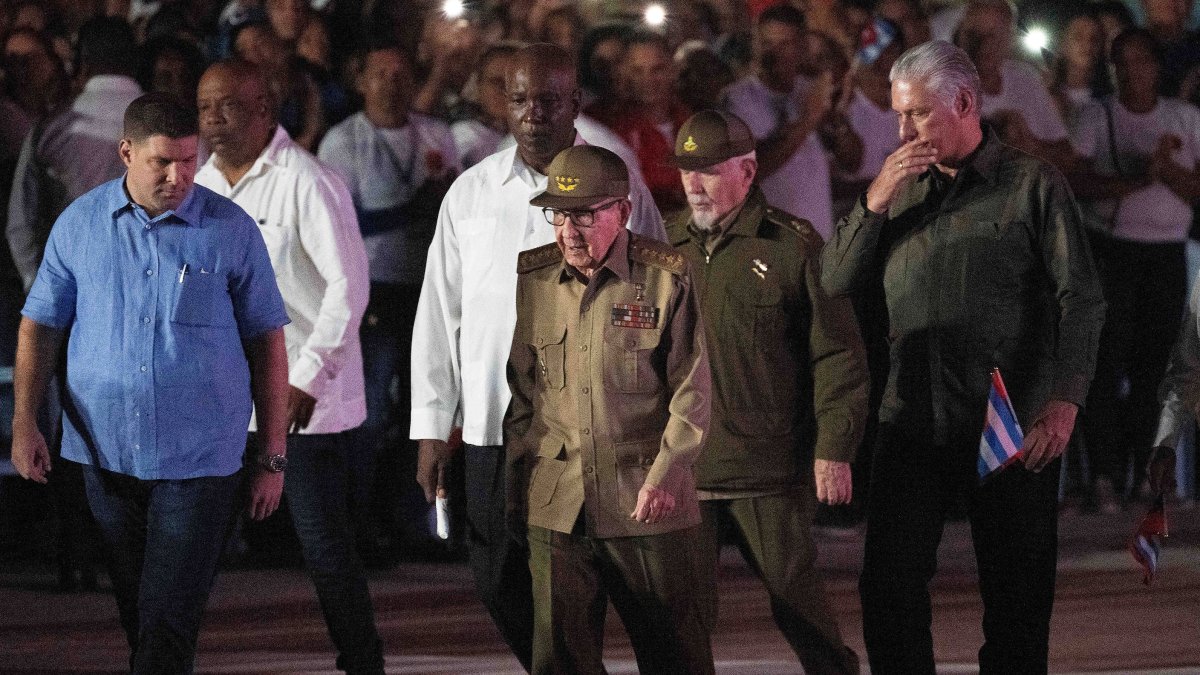
Raul Castro in Ciego de Avila in a file image

The United States is moving forward with the necessary steps to formally charge former Cuban dictator Raul Castro-brother of the late Fidel Castro and still an influential figure on the island-, for the downing of two civilian airliners three decades ago, CBS News revealed in an exclusive, citing U.S. officials familiar with the matter.
According to the news network, the hypothetical indictment, which must be approved by a grand jury, would focus on the February 1996 episode, when two Cessnas operated by the 'Brothers to the Rescue' organization were shot down by a Cuban MiG-29 fighter jet.
That exile group was dedicated to locating rafters in the Strait of Florida. Four people were killed in the incident.
A subsequent report by the Organization of American States (OAS) concluded that the ships were shot down outside Cuban airspace and without prior warning, in violation of international law. At that time, Fidel had already been dictator for decades and Raul commanded the Armed Forces.
Mundo
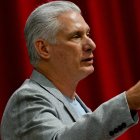
Diaz-Canel conditions $100 million aid from the US and demands an end to sanctions
Andrés Ignacio Henríquez
Fidel himself acknowledged to CBS journalist Dan Rather that the operation was carried out under his "general orders.”
Although Raul Castro, 94, resigned in 2021 as head of the Communist Party, he is still considered one of the most powerful men in Cuba. His grandson, Raul Guillermo Rodriguez Castro, better known as "Raulito," acts as his representative and has become one of the channels of communication between Washington and Havana.
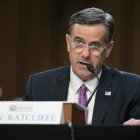
Just this Thursday, before the news published by CBS, the director of the CIA, John Ratcliffe, traveled to Havana to meet with "Raulito" and other high-ranking officials of the Castro regime. The U.S. agency itself disseminated images of the meeting on its social network account X, showing Ratcliffe at a dialogue table with Cuban officials.
According to reports, the CIA director personally transmitted the message of President Donald Trump to the Cuban regime: The United States is willing to sit down to negotiate economic and security issues, but only if the Cuban regime undertakes profound changes. An agency official quoted by CBS News added that the island can "no longer be a safe haven for adversaries in the Western Hemisphere."
The potential legal action and the official meeting between regime hierarchs and the CIA comes at a critical moment for the Cuban regime.
First, the Trump Administration has threatened to apply heavy tariffs to any country sending oil to the island, which practically cut off supplies and provoked an acceleration of the already deep energy crisis that has plagued the island for years. The situation is so complex that the U.S. Embassy in Havana itself issued this May 14 a security alert through the social network 'X,’ warning its citizens about the growing instability of the electrical system in Cuba.
The statement describes prolonged blackouts - scheduled and unscheduled - that affect water supply, refrigeration and communications on a daily basis, in addition to a fuel shortage that generates long lines at fuel stations.
The embassy also mentioned that on May 13 there were numerous protests in Havana over the power outages, mostly repressed by Cuban police. Americans on the island were advised to avoid crowds and to conserve water, food and batteries in their phones.
In addition to the energy crisis and U.S. pressure, the Castro regime has also lost its main ally in the region in recent months: the Chavista regime.
In January, a U.S. military operation removed former dictator Nicolas Maduro from power in Venezuela, Havana's main ally, and transferred him to New York to face drug trafficking charges. Since then, according to information from CBS News, the Miami Fed has been leading an initiative that directly targets the leadership of the Cuban Communist Party, pursuing economic crimes, drug trafficking, violent crimes and immigration violations. With the potential indictment against Raul Castro looming and the various White House ultimatums on the table, the Castro regime is facing pressure rarely seen in its history.
LATEST