Senate Republicans block Democratic attempt to stop Trump's military action against Cuba
The proposal was originally presented by Democratic Senators Tim Kaine, Adam Schiff and Ruben Gallego.
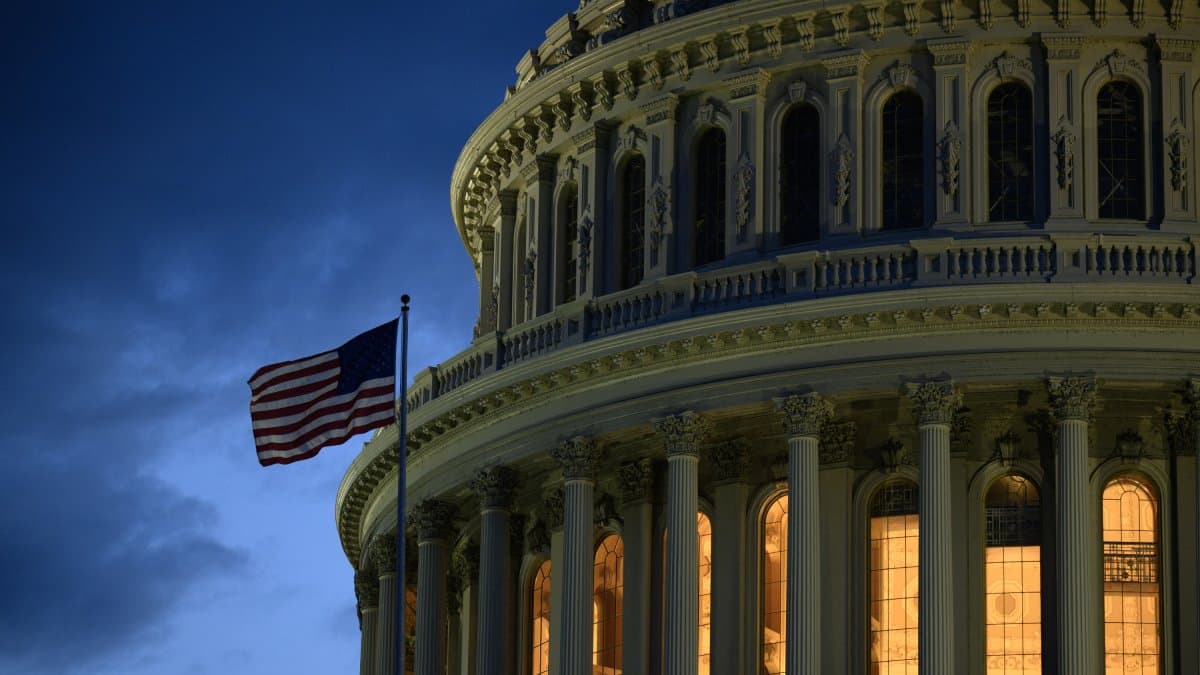
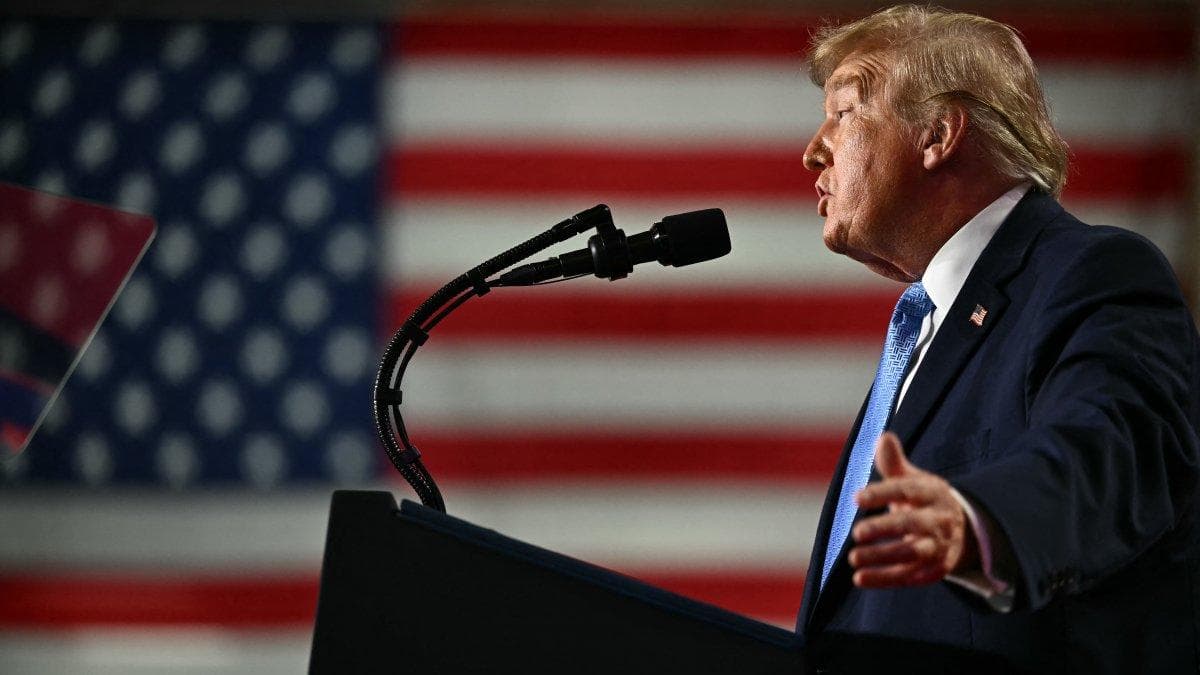
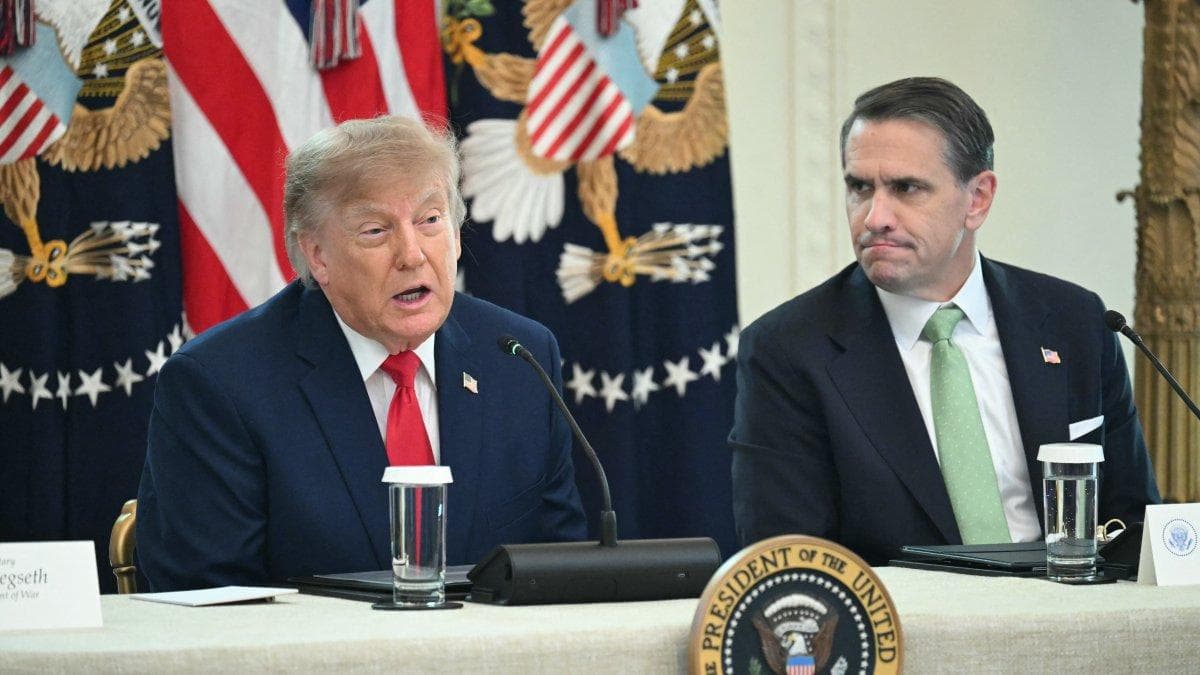
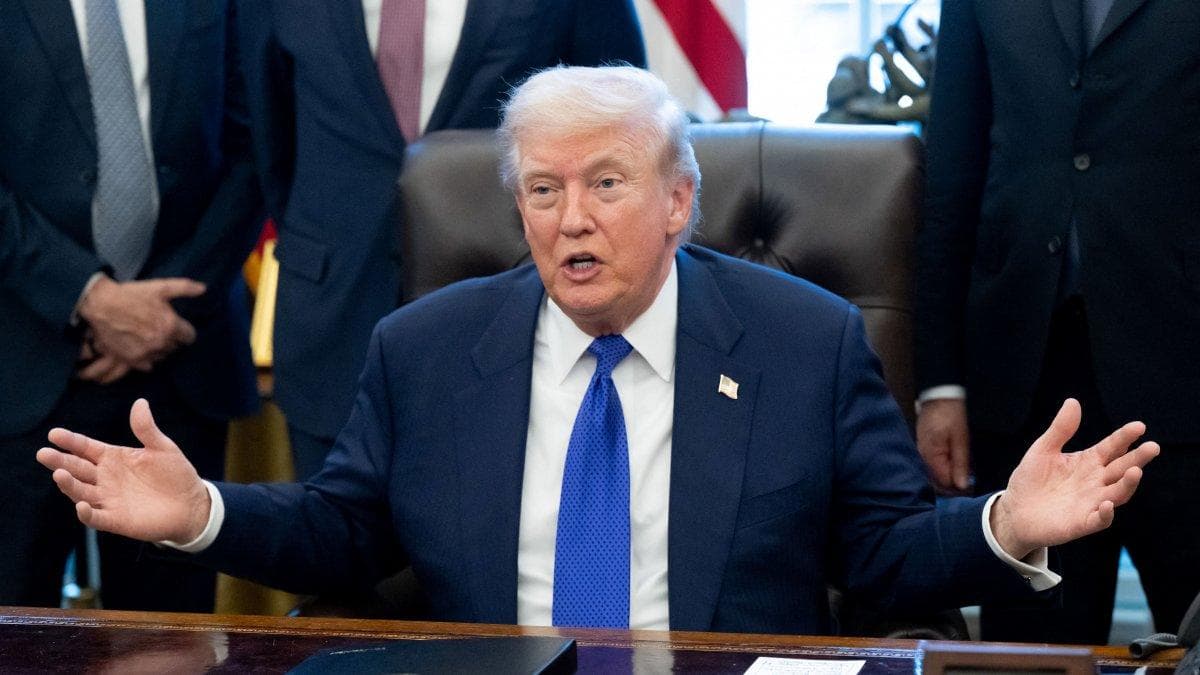
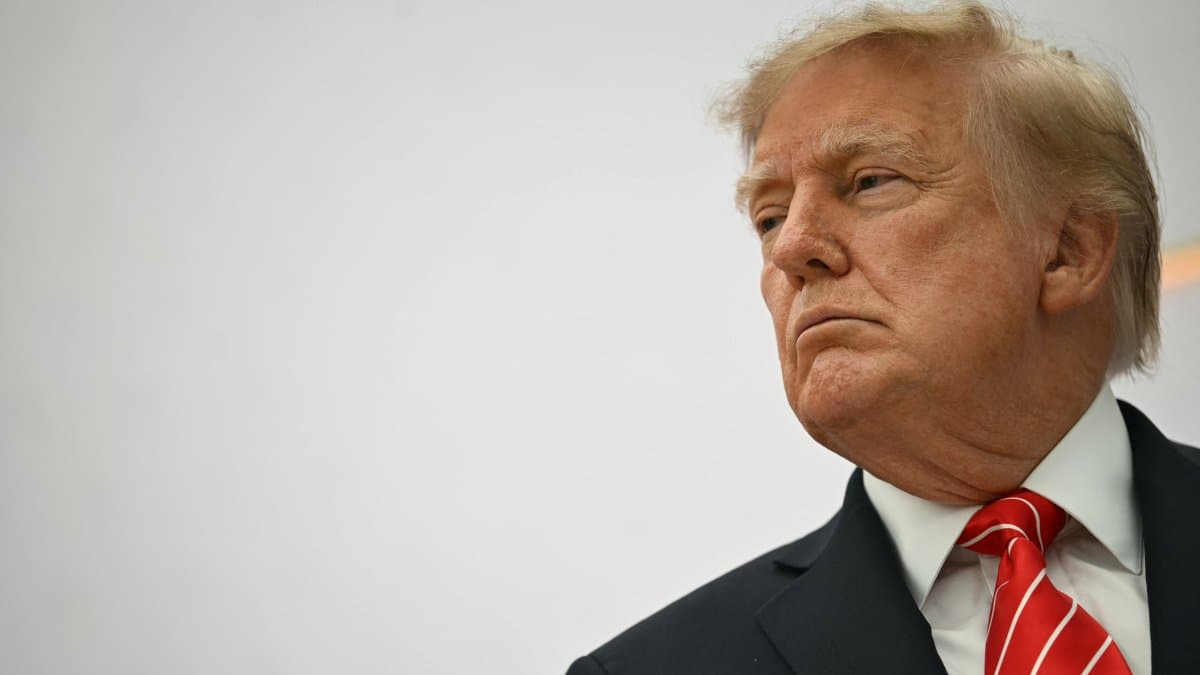
Senate Republicans on Tuesday blocked a Democratic-driven attempt to restrict President Donald Trump's ability to initiate military action against Cubawithout congressional approval, after the conservative leader announced on different occasions that the communist regime that controls the Caribbean island could be living its last days in power.
While Democrats attempted to fast-track a vote on the resolution in the Senate through the procedures set forth in the War Powers Act of 1973, their attempt failed miserably after Republicans reached a 51-47 vote in favor to support a procedural objection filed by Senator Rick Scott, who dismissed the resolution as unnecessary by asserting that it did not reflect current reality. "The measure we’re talking about is completely out of touch with the facts in Cuba nor is it relevant to anything actually happening in Cuba right now. President Trump has never suggested we put troops on the ground in Cuba. So this entire effort is moot," he said.
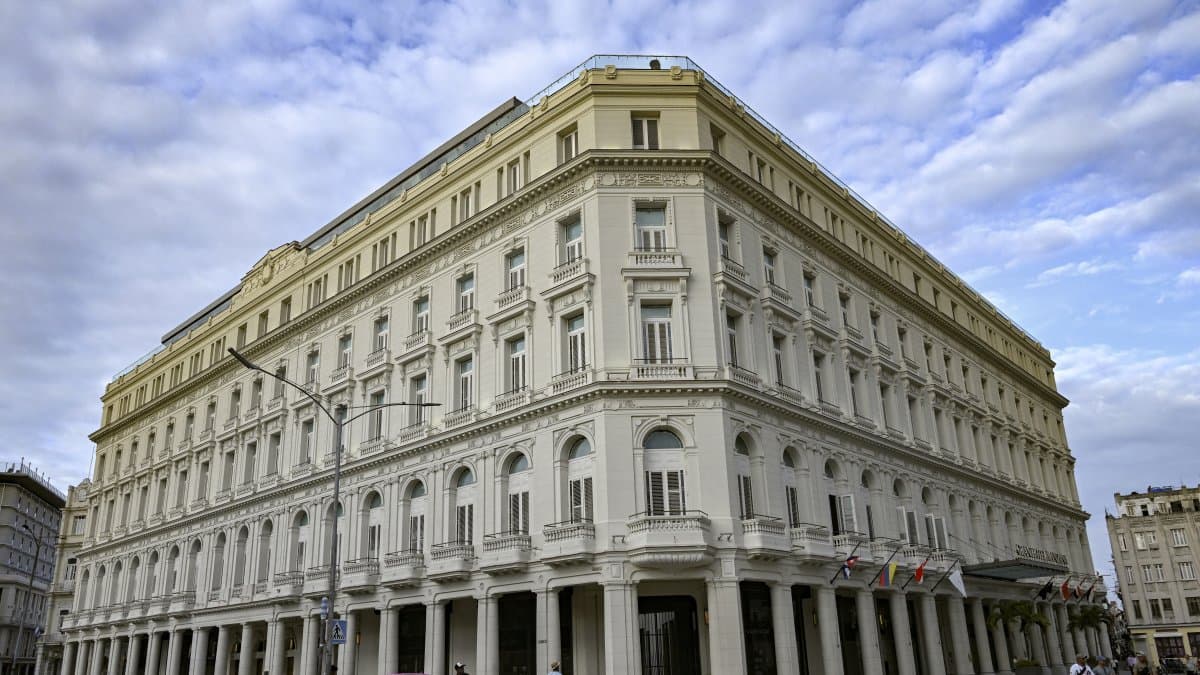
The proposal was originally introduced by Democratic Senators Tim Kaine, Adam Schiff and Ruben Gallego, who sought to prevent the use of force in order to overthrow the Cuban tyranny, which has become the longest-ruling dictatorship in Latin American history. For their part, Senator Rand Paul and Senator Susan Collins were the only Republicans to break with their party to support the initiative, while Senator John Fetterman was the only Democrat to align with Republicans in backing the objection.
The statements by both Trump and other members of his administration about putting an end to the communist regime came shortly after the operation in which Venezuelan dictator Nicolás Maduro was overthrown on January 3, entering the Venezuelan capital, Caracas, and capturing the socialist leader, who has been one of the most infamous tyrants in the history of the region. Although details on the strategy that the White House would execute to materialize the fall of Castro's tyranny are unknown, different media have indicated that the Trump Administration would have held conversations with Fidel Castro's grandson in order to execute the long-awaited political transition on the island.
🛠 Do you think there is an error in this article?
Recommendations
LATEST