ANALYSIS
What is the 'Stop Nick Shirley Act'? The controversial project promoted by Democratic legislators and seen as a threat to freedom of the press and citizen journalism
The proposal pushed by California state Assemblywoman Mia Bonta, a Democrat, seeks to criminalize sharing personal data of employees of organizations that support immigrants, something that critics interpret as an attempt to curb independent journalists like Nick Shirley, known for documenting alleged fraud in public programs in Minnesota.
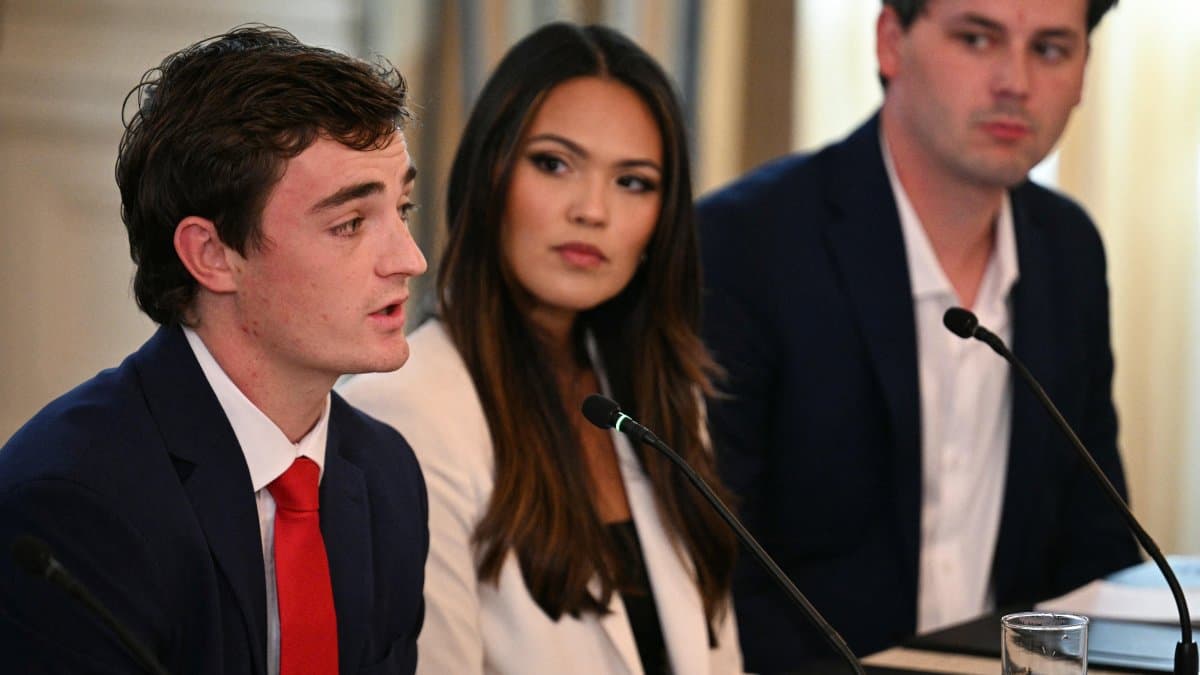

In a move that many conservatives are calling a blatant attempt to silence those who expose the misuse of taxpayer funds, Democrats in the California Assembly this week advanced AB 2624, popularly known as the "Stop Nick Shirley Act."
The measure, pushed by Democratic Assemblywoman Mia Bonta, seeks to criminalize sharing personal information of workers of organizations that support immigrants, under the pretext of protecting them from "harassment." Republican critics and advocates of the First Amendment argue that, in practice, the law would be designed to curb the work of independent journalists such as Nick Shirley, known for documenting alleged cases of fraud within the Somali community in publicly funded programs in Minnesota.
Legislative offensive sparking alarm among content creators and public watchdogs
Republican Assemblyman Carl DeMaio was the one who christened the bill in an official statement published in mid-April, stating that the legislation "can only be described as the ‘Stop Nick Shirley Act’ — a bill designed to silence citizen journalists exposing fraud and abuse of taxpayer dollars." According to DeMaio, instead of investigating and punishing fraud in immigration programs, Democrats prefer to "intimidate citizen watchdog journalists" who expose them.
According to the release, AB 2624 would allow activists and publicly funded organizations to request the "removal of video evidence" even in cases where such recordings show "misconduct in plain view." In addition, the measure provides for the possibility of imposing "massive financial penalties" on journalists or content creators who fail to comply with those requirements.
Penalties include civil fines of at least $4,000, payment of attorneys' fees and, in some cases, criminal consequences.
In a post on Instagram last week, Shirley, 24, asserted that "under AB 2624, government-funded entities like the Somali 'Learing' Daycare centers would be protected from being exposed if they operated inside California."
The journalist argued that "the enemy truly is within" and posited that, in his opinion, when politicians "would rather protect fraudsters and illegal migrants," citizens face a decisive moment. "It’s time for us to stand up or face mass oppression from the traitors who 'rule' over us," he added.
A growing dispute over the limits of doxxing and journalistic work
Although the bill's text does not explicitly mention journalists or Nick Shirley, Republicans argue that its wording is broad enough to criminalize the legitimate work of documenting in public places and exposing wrongdoing in programs that receive millions in taxpayer funds. Bonta's office defends the measure by asserting that it only punishes "doxxing" with the intent to "incite violence," but critics like DeMaio counter that such a distinction will become a political weapon in the hands of Democratic prosecutors.
Society
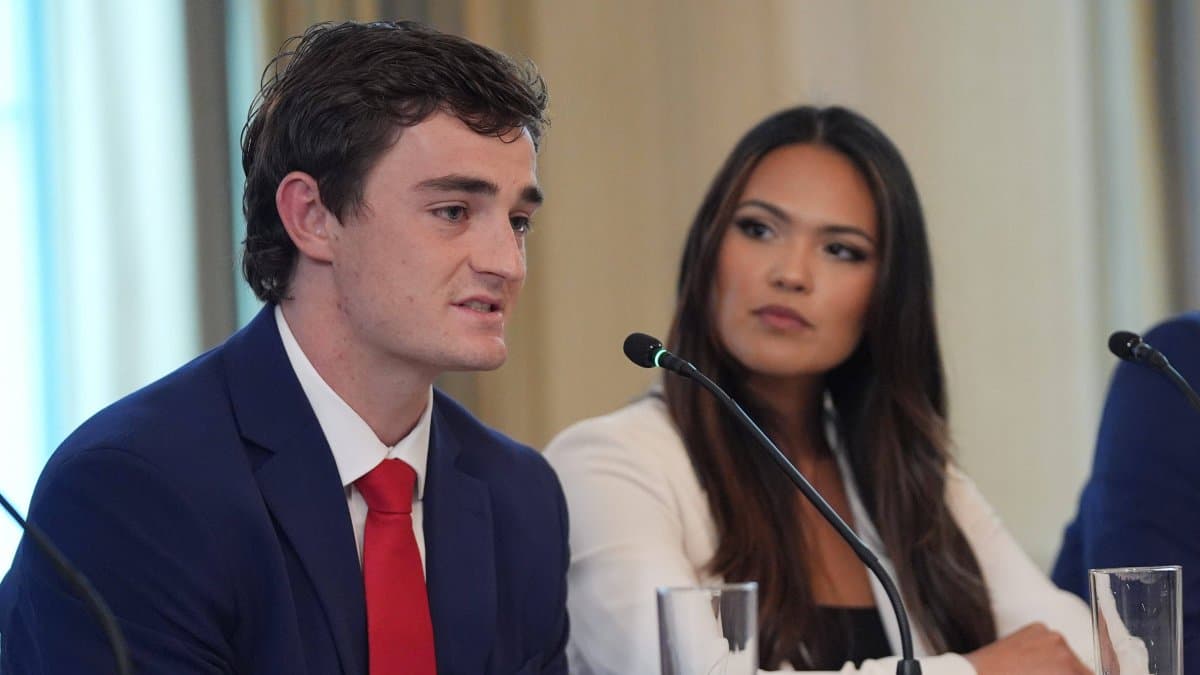
'They want to kill me': journalist Nick Shirley reveals the cost of his investigations
Diane Hernández
In his statement, Carl DeMaio warned that, should AB 2624 become law, "the message is clear to every journalist in California: expose corruption and you will be punished." The assemblyman called the proposal "an unconstitutional direct attack on transparency and the First Amendment" and argued that, for that reason, it "needs to be defeated."
Elon Musk, meanwhile, wrote in a post on X: "California legislators are trying to make investigating fraud illegal."
Capitol showdown: Democratic lawmakers flee chambers
The scandal came to a head when Nick Shirley himself showed up last week at the Capitol in Sacramento and recorded a nearly 40-minute video directly confronting Democratic legislators.
In the footage, posted on his YouTube channel on April 21, Shirley is seen questioning key figures such as Sen. Sasha Renee Perez, Assemblyman Josh Lowenthal, Senator Scott Wiener and Assembly Speaker Robert Rivas about the details of AB 2624.
The responses were revealing: most avoided the topic. Lowenthal said "I need to read the bill," Rivas shut the door saying "I don't know anything about it," and Wiener, visibly upset, called him a "psycho scam artist" in front of the cameras. Shirley summed up the moment cogently, "This just shows you everything you need to know. These people won't even answer the questions."
What's next: A battle that transcends California
As of today, AB 2624 has passed only the first stage in committee. It still must go through the full Assembly, the Senate and reach the governor's desk. But the message is already clear: In California, Democrats are willing to rewrite the rules of free speech to protect their immigration and public spending agenda.
For millions of Americans who value accountability and independent journalism, the "Stop Nick Shirley Act" is not a shield law. It is an attempt to muzzle those who dare to ask: Where is our money really going?
Nick Shirley: The independent journalist who provoked Democrats' ire
Armed with only a camera, Shirley visited several locations receiving millions in taxpayer funds and documented how many appeared empty and childless, sparking a wave of national outrage. Although progressive media and state officials tried to downplay his findings, his investigation was so shocking that it led him to testify before Congress and brought him enormous notoriety.
During his investigation in Minneapolis, the journalist visited the Quality Learning Center, a daycare that received millions in public funds. Upon arrival, she noticed that the sign outside had a spelling error: the word "Learning" was spelled as "Learing." Shirley ironically highlighted this detail in his video, using it as a symbol of negligence and possible fraud at centers that handled taxpayer money.
Currently, Shirley continues his accountability work, investigating alleged abuses and irregularities in publicly funded immigration programs in California.
🛠 Do you think there is an error in this article?
Recommendations
LATEST