Trump agrees to allow up to $800 million in imports of Argentine beef
The pact grants Argentine beef an unprecedented extension of its preferential access to the U.S. market.

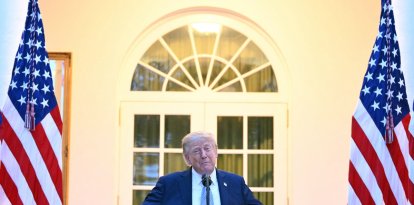
Donald Trump and Javier Milei

President Donald Trump reached a new trade agreement with Argentina that will allow a substantial increase in beef imports into the United States.
The pact grants Argentine beef an unprecedented expansion of its preferential access to the U.S. market, according to Argentina's Ministry of Foreign Affairs.
An expansion that will reach 100,000 tons
According to the Argentine government's statement, the agreement will allow up to 100,000 tons of beef to enter the United States under preferential conditions. This figure will be reached progressively and will be added to the volumes already authorized.
Currently, Argentina can export 20,000 tons of beef to the U.S. market. With the new pact, an additional 80,000 tons will be enabled by 2026, which, according to Buenos Aires, will represent an estimated increase of $800 million USD in its exports to the United States.

An agreement within a regional agenda
The Trump Administration already announced in November that it reached trade agreements with several Latin American countries, including Argentina, Ecuador, El Salvador and Guatemala. The new understanding with Buenos Aires is part of this strategy of expanding trade relations in the region.
For Argentine President Javier Milei, the breakthrough represents a diplomatic victory.
Commitment to review steel and aluminum tariffs
The Argentine Foreign Ministry also reported that the U.S. government reaffirmed its commitment to review current tariffs on steel and aluminum, as part of the trade dialogue between the two countries.
Although no immediate changes to these tariffs were detailed, the issue was incorporated into the broader negotiation that accompanied the meat agreement.

World
Argentina returns $20 billion to US, received in midst of exchange rate crisis
Diane Hernández
Resistance in Congress and the livestock sector
LATEST