Department of State bans Europeans complicit in censoring free speech from entering the US
The Department of State confirmed that the measures are part of Trump's policies focused on defending national sovereignty and rejecting censorship exercised from abroad.
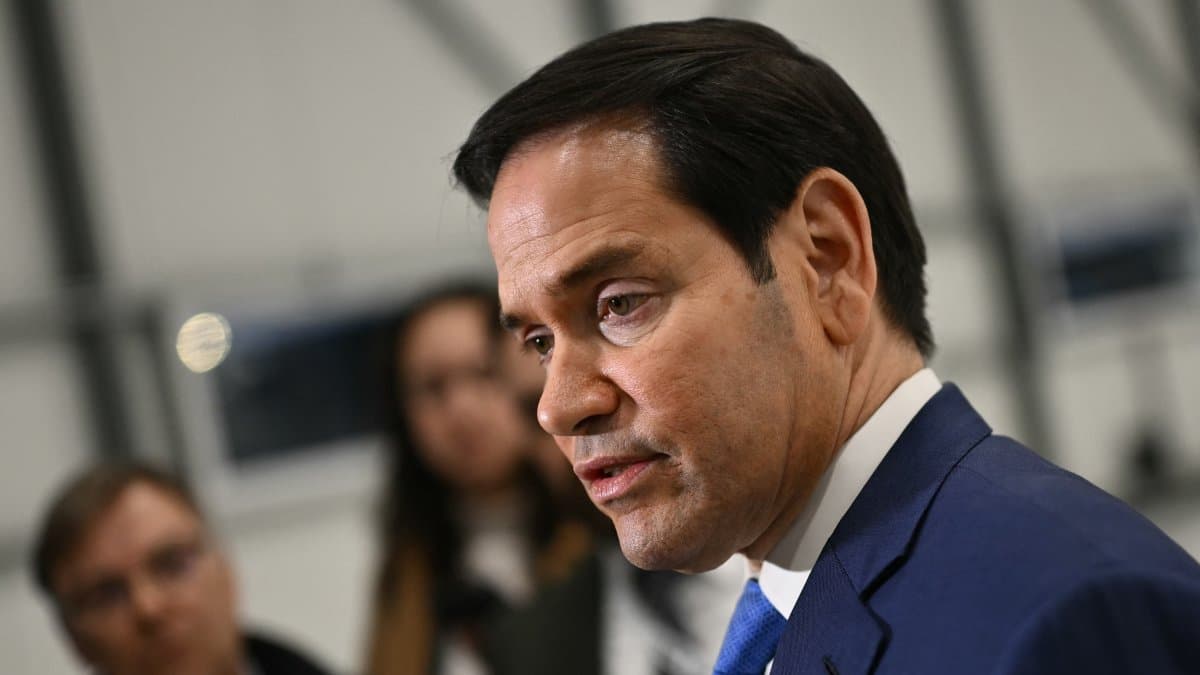

The U.S. government announced new immigration sanctions against five foreign nationals accused of leading or promoting coordinated efforts to pressure U.S. platforms to censor opinions protected by freedom of expression. The Department of State confirmed that the measures are part of President Donald Trump's foreign policy, focused on defending national sovereignty and rejecting censorship exercised from abroad.
The sanctions consist of visa restrictions that prohibit the entry of those sanctioned to U.S. territory. The Department of State specified that these are not financial sanctions, but an action aimed at limiting access to the country of individuals whose activities could have adverse consequences for U.S. foreign policy.
A warning against transnational censorship
Under Secretary of State Sarah B. Rogers said these actions reinforce a clear "red line" against extraterritorial censorship of U.S. speech. "If you spend your career fomenting censorship of American speech, you're unwelcome on American soil," she said.
According to the official statement, those sanctioned are part of an international ecosystem comprising regulators, activists and non-governmental organizations that have sought to influence content moderation by U.S. companies and citizens. Washington maintains that these efforts have been directly aimed at suppressing legal opinions in the United States, elevating the issue to a foreign policy problem.
Figures linked to the Digital Services Act
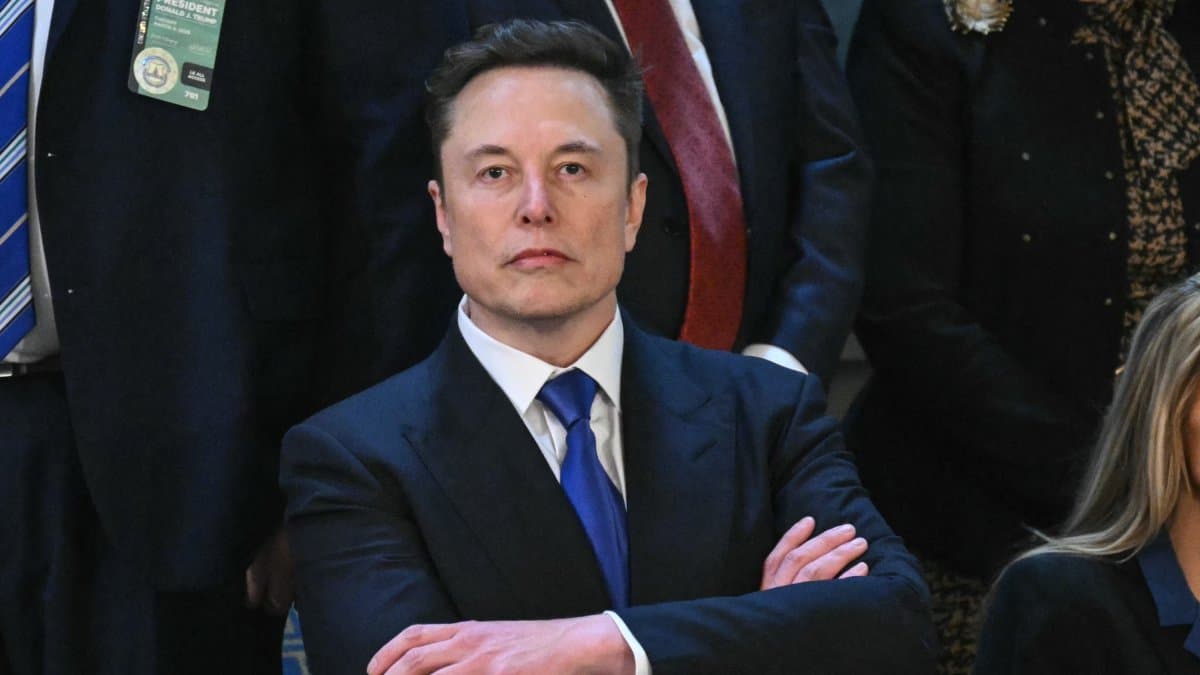
Among those sanctioned is Thierry Breton, a former European Commissioner and one of the main drivers of the European Union's Digital Services Act (DSA). The Department of State links him to actions taken in 2024, when he used that regulatory framework to warn Platform X ahead of a live interview between Elon Musk and then-presidential candidate Donald Trump.
Also sanctioned were Clare Melford, director of the Global Disinformation Index, as well as Anna-Lena von Hodenberg and Josephine Ballon, leaders of the German organization HateAid. These entities have operated as "trusted flaggers" under the DSA, a role that allows them to flag content and request access to data from digital platforms. "This NGO used taxpayer money to exhort censorship and blacklisting of American speech and press," Rogers said.
She also noted that among the five sanctioned is Imran Ahmed, whom she described as a "key collaborator with the Biden Administration's effort to weaponize the government against U.S. citizens."
Legal basis and possible deportations
A list open to expansion
The Department of State warned that this will not necessarily be the last round of sanctions. The Trump administration said it is prepared to expand the list if other foreign actors continue to promote actions that, in Washington's view, infringe on free speech and U.S. sovereignty.
🛠 Do you think there is an error in this article?
Recommendations
LATEST