European Union opens new investigation into Google despite warnings from Trump Administration
Brussels suspects that the search engine's anti-spam policy degrades legitimate content and opens the door to multimillion-dollar fines. The company defended its policies, claiming that they help "protect people from misleading and low-quality content."

Alphabet is facing a new investigation in Europe. Its search engine, Google, is the target of an antitrust probe announced Thursday by the European Union (EU). In case of infringement, the fine could represent up to 10% of its global turnover. And up to 20%, if it reoffends.
The investigation focuses on Google's anti-spam policy, which the EU says could be harming legitimate media outlets. The European Commission, the bloc's executive branch, claims to have found indications that the search engine worsens the position in results of media and other creators that include content from commercial partners. According to the commission, the policy would illegitimately affect a lawful practice of monetizing websites.
"We are concerned that Google’s policies do not allow news publishers to be treated in a fair, reasonable and non-discriminatory manner in its search results," said Executive Vice President for Clean, Fair and Competitive Transition, Teresa Ribera. "We will investigate to ensure that news publishers are not losing out on important revenues at a difficult time for the industry, and to ensure Google complies with the Digital Markets Act."
Google's response: 'Our anti-spam policy helps level the playing field'
The search engine's chief scientist, Pandu Nayak, came to the tech's defense: "Google Search’s policy against spam exists for one reason: to protect people from deceptive, low-quality content and scams – and the shady tactics that promote them."
Nayak claimed that the investigation was "misguided" and would harm millions of European users, stating that anti-spam measures ensure the quality of results on the search engine. The senior official explained that they were seeking to prevent poorly ranked pages on Google from paying others better positioned to publish their content, taking advantage of the credibility of the latter to distribute poor quality content.
"Our anti-spam policy helps level the playing field, so that websites using deceptive tactics don’t outrank websites competing on the merits with their own content," he insisted.
In the two examples he shared, the content penalized by Google as "parasite SEO" was explicitly marked as content created by another company other than the page where it was displayed, with the tags "sponsored" or "branded content."
This is a common practice in the media, which include content from collaborators or clients, and sometimes even have staff specifically dedicated to creating content for third parties. That would be the reason for the EU investigation, which considers this practice as a legitimate source of income.
Trump's threats ignored
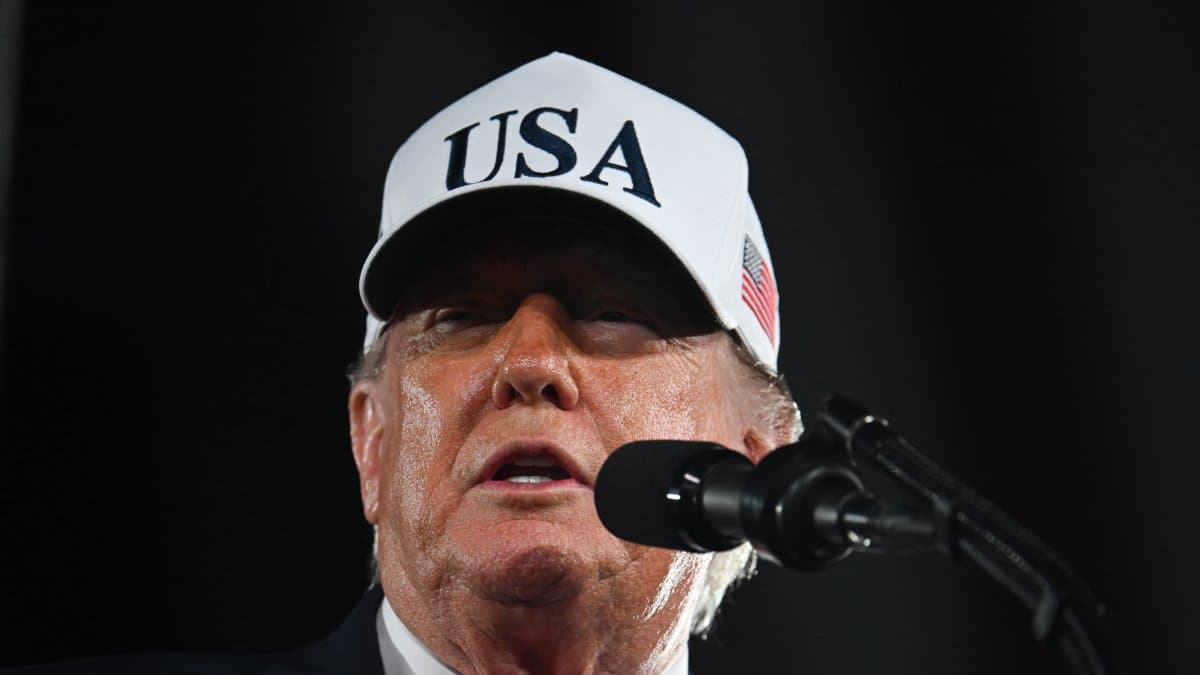
Donald Trump previously criticized the European bloc's investigations against U.S. companies. The president claims that regulations and taxes unfairly harm U.S. companies, and are one of the reasons he announced tariffs against the union.
The EU announcement comes just two months after penalizing Google with a €2.95 billion fine for its search engine advertising practices. That was the fourth time Brussels sanctioned the tech company with a multibillion-dollar fine in an antitrust case, according to AP.
"As I have said before, my Administration will NOT allow these discriminatory actions to stand," Trump maintained about the latest fine, which he described as one more "on top of the many other Fines and Taxes" against U.S. companies. That new "hit" against "another great American company," he asserted, in effect takes away "money that would otherwise go to American Investments and Jobs."
The president then threatened a trade investigation of his own into the EU.
World
Google to invest $15 billion in India and build the largest AI center outside the US
Carlos Dominguez

🛠 Do you think there is an error in this article?
Recommendations





LATEST