US actions in the Caribbean complicate Venezuela's oil exports and force Maduro's regime to use ships as storage
The decision comes as the U.S. Coast Guard this month intercepted two oil tankers fully loaded with Venezuelan crude oil in the Caribbean Sea.
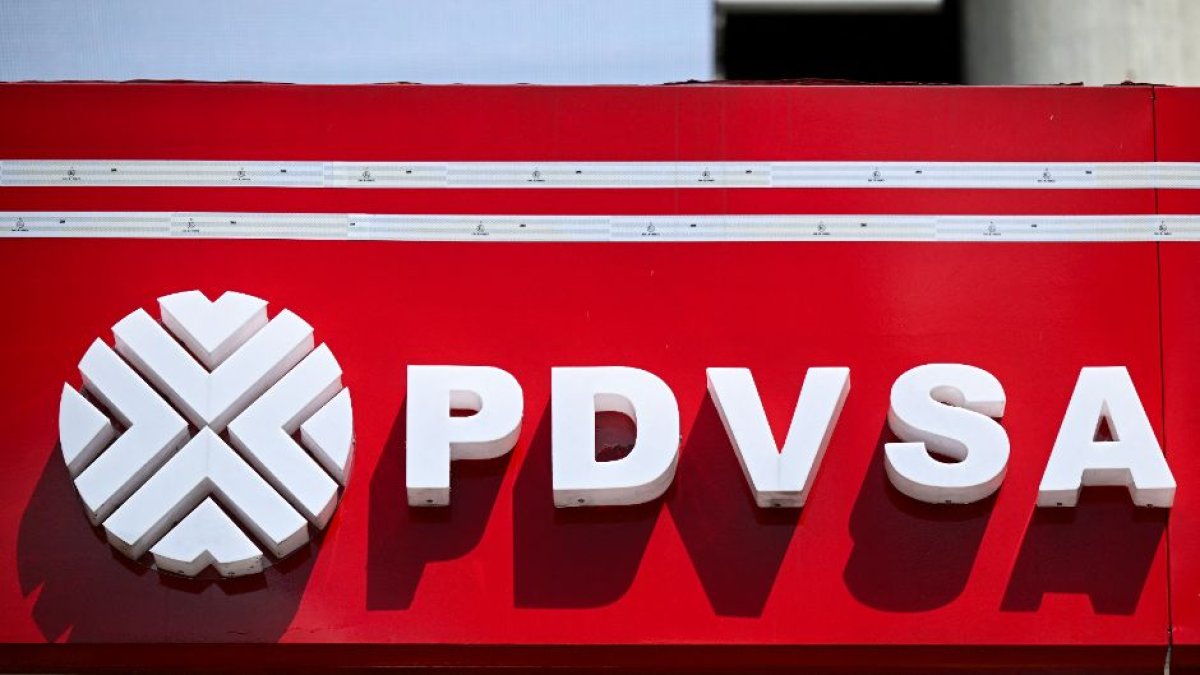
The logo of Venezuelan state oil company PDVS.

Venezuelan state oil company PDVSA began loading tankers with crude and fuels that remained stored onshore, amid a growing inventory buildup triggered by recent U.S. actions against vessels linked to Venezuelan oil. Internal company documents and shipping data show that the company is using vessels as floating storage to relieve pressure on its facilities.
The move comes as the U.S. Coast Guard intercepted two tankers - Skipper and Centuries - fully loaded with Venezuelan crude oil in the Caribbean Sea this month. This week, moreover, U.S. authorities were following a third empty vessel approaching the OPEC member country's coast.
U.S. blockade and detained shipments
As a result, more than a dozen crude oil shipments remain stranded in Venezuelan waters unable to set sail. This situation has affected the normal flow of exports, even as PDVSA continues to produce around 1.1 million barrels a day.

World
"Golden Fleet": Trump presents a new generation of large warships while launching threats against Maduro and Petro
Emmanuel Alejandro Rondón
Pressure on Jose's terminal
The slowdown in shipments has led to a rapid accumulation of crude oil onshore, particularly at the Jose terminal, which receives extra-heavy crude oil from the Orinoco Belt, the country's main producing region. According to the documents, inventories at this facility again exceeded 10 million barrels in mid-December.
To avoid production cuts, PDVSA began last weekend to transfer part of these volumes to tankers, a strategy used in previous years when onshore storage is approaching its limit.

JNS
Treasury sanctions 29 vessels in Iran’s ‘shadow fleet’ used to transport illicit petroleum
JNS (Jewish News Syndicate)
Chevron's role and exports to China
In western Venezuela, where storage capacity is tight, inventories remain near normal levels. This is because Chevron, PDVSA's main joint venture partner, has not suspended exports of the crude they jointly produce.
Chevron accounts for about a quarter of the crude oil produced at the Orinoco Belt's blending and upgrading stations, some 130,000 barrels per day. The rest is usually exported to China, the destination of approximately 80% of Venezuelan exports this year.
LATEST