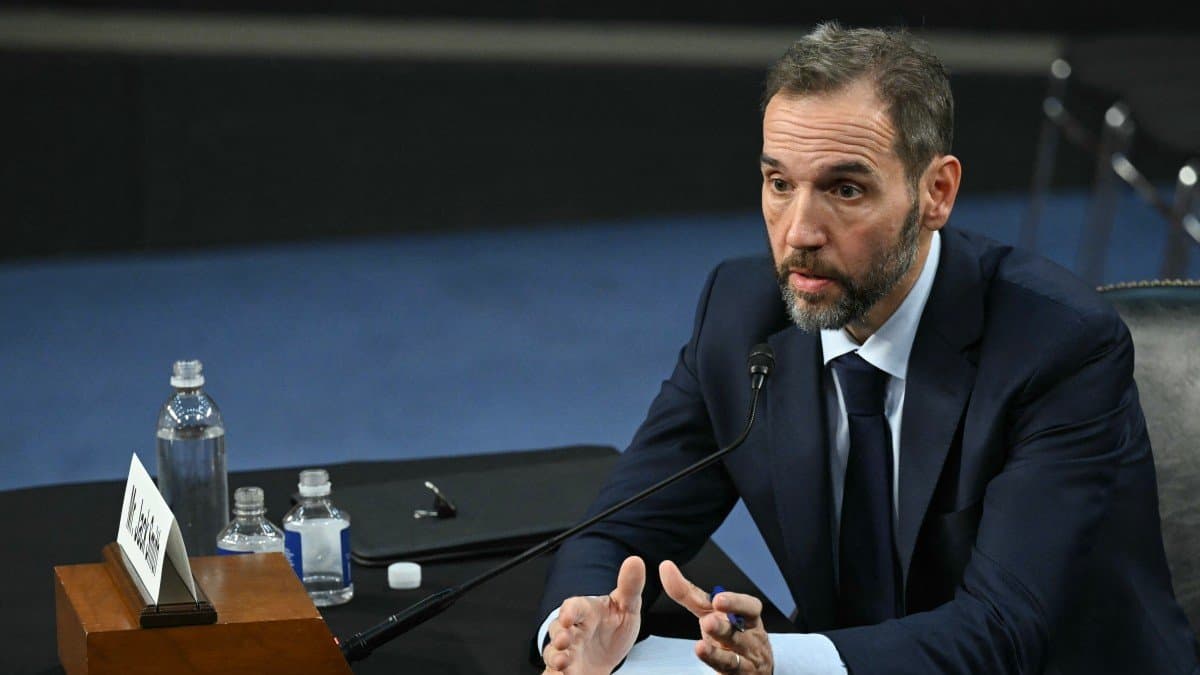







Supreme Court slams Trump, halts National Guard deployment in Chicago for now
While the Supreme Court's decision is not final, it reinforces judicial scrutiny of the Trump administration and executive limits.
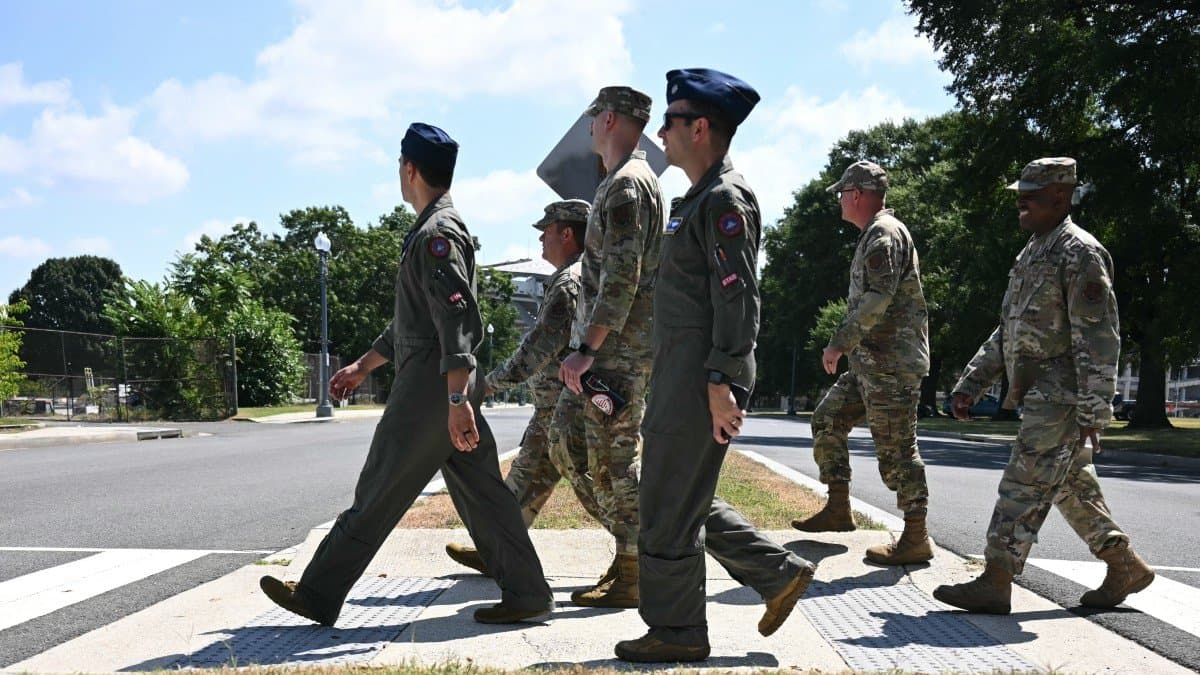

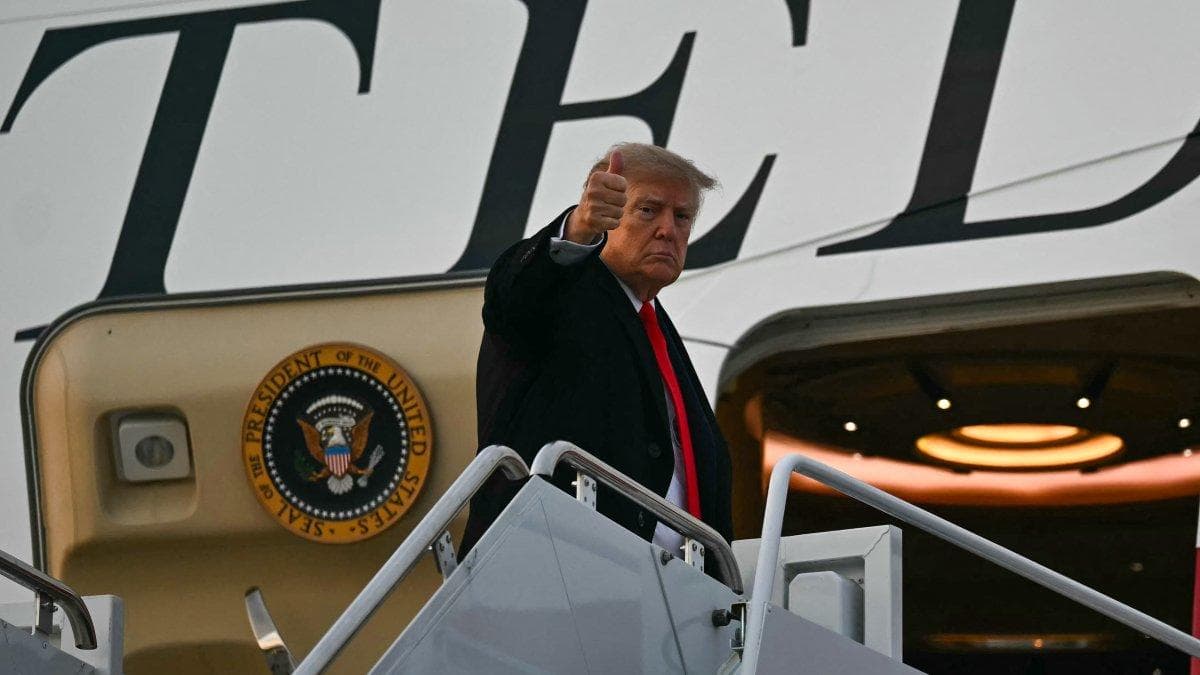
The Supreme Court rejected an emergency request filed by the Trump administration to authorize the immediate deployment of National Guard troops to Chicago, Illinois, dealing a temporary setback to one of the White House's most hotly debated security strategies.
The decision upholds a federal judge's ruling that had blocked the mobilization of troops to Chicago, finding that the Trump administration had not demonstrated a clear legal basis for "federalizing" state forces to execute laws within Illinois territory.
An appeals court had previously refused to intervene, and the top court took more than two months to rule on the federal government's request.
Politics
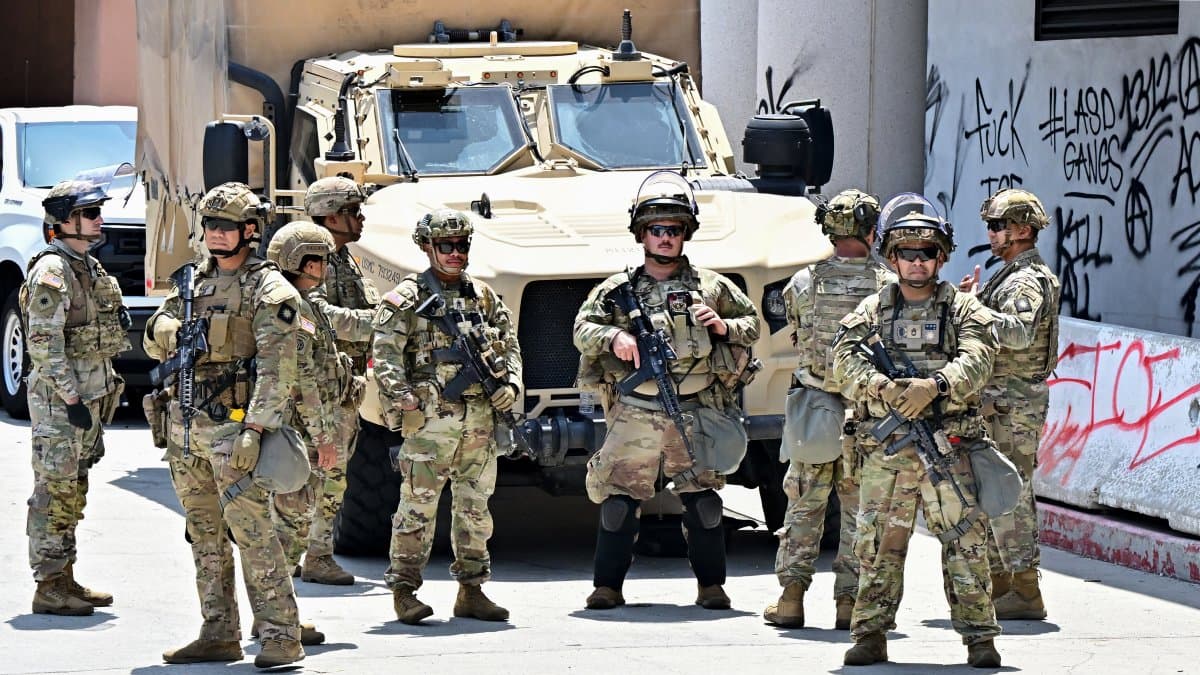
Federal judge blocks National Guard deployment ordered by Trump in Los Angeles
Diane Hernández
In its brief, the Court majority held that, at this early stage of the litigation, the Trump administration failed to identify legal authority to deploy the Army or the federalized National Guard to enforce state law. Three justices - Samuel Alito, Clarence Thomas and Neil Gorsuch - publicly dissented from the majority.
From the White House, the administration defended the presidential decision and assured that it will continue to work to protect the population and federal personnel. According to the Trump administration, the deployment of the National Guard responds to the need to safeguard federal buildings and law enforcement officers against violent riots and protests against immigration policies, including anti-ICE demonstrations.
Politics
Several arrested as protesters block federal agents at Manhattan garage during raid
Agustina Blanco
Authorities in Illinois and Chicago, Democrats, rejected that argument. In their court filings, they argued that the Trump administration exaggerated the extent of the violence and questioned the reliability of official reports on the ground. The trial judge agreed with that approach, noting that the recorded protests were isolated and handled by state and local forces without the need for federal intervention.
The ruling is part of a broader debate over the limits of presidential power to federalize the National Guard. Democrats argue that Trump does not meet the requirements under federal law, which, a priori, only allows such a measure in the face of foreign invasion, rebellion, or manifest incapacity of local authorities, and accuse the president of using insecurity in certain cities as a pretext to intervene in states governed by Democrats.
Although the Supreme Court's decision is not final, it reinforces judicial scrutiny of the Trump administration and the limits of the Executive brach.
🛠 Do you think there is an error in this article?
Recommendations





LATEST