







ANALYSIS
House passes Republican healthcare bill without Obamacare extension
The legislative proposal includes measures such as funding for cost-sharing reductions to help with deductibles and copays, pharmacy benefit manager industry reforms, and an expansion of association health plans (which allow small businesses and groups to join together to obtain coverage).
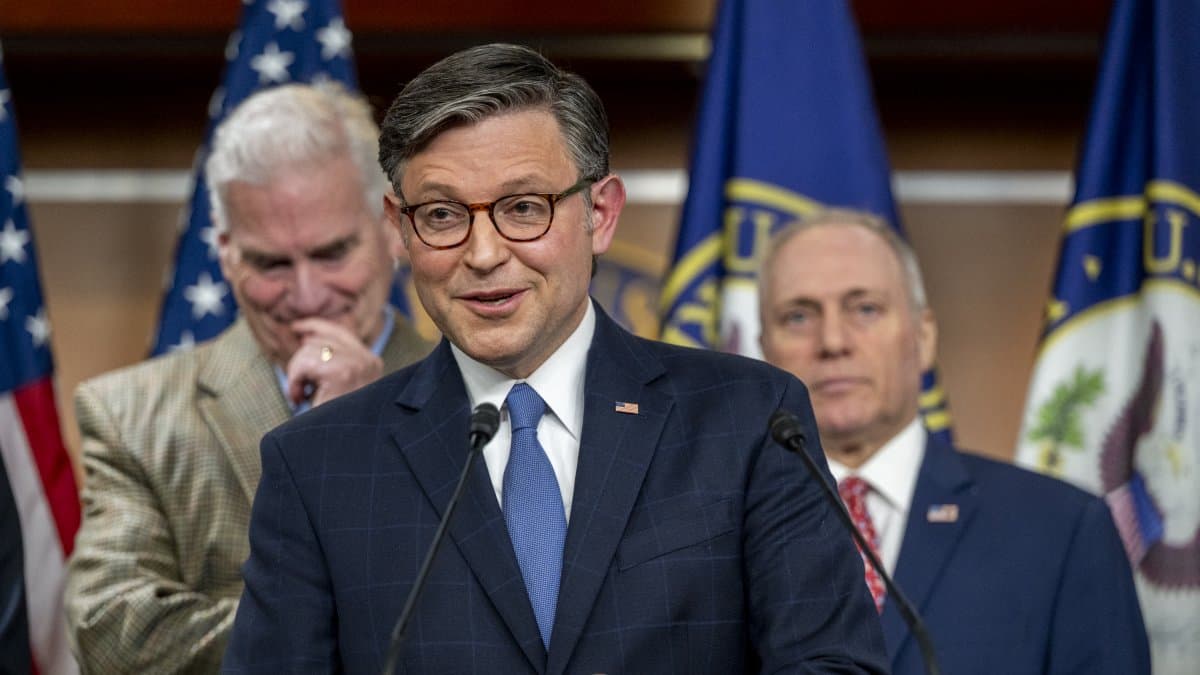

Republicans in the House of Representatives passed a health policy package Wednesday that excludes the extension of tax credits that expire at the end of the year and allow millions of people to pay for their health insurance under the Affordable Care Act (ACA), also known as Obamacare.
The bill’s fate in the Senate is uncertain and would require backing from a number of Democrats to win approval.
The legislation dubbed the Lower Health Care Premiums for All Americans Act passed the House of Representatives by 216 votes to 211, with only the Republican representative from Kentucky, Thomas Massie, voting with Democrats against the bill.
The legislative proposal includes measures such as funding for cost-sharing reductions to help with deductibles and copays, reforms of the pharmaceutical benefit manager industry and an expansion of association health plans (which allow small businesses and groups to join together to obtain coverage).
Moderates revolt
Four moderate House Republicans (none of whom ended up voting against the bill) forced the vote by signing a Democratic petition to approve the measure that would extend the ACA tax credits for three years. Those lawmakers have argued that allowing the subsidies to expire on Jan. 1 would lead to increased costs for millions of people.

Politics
CBO: Republican health care bill would save $35.6 billion and reduce Obamacare premiums by 11%
Carlos Dominguez
Republicans backing the Democratic request were Mike Lawler of New York, Brian Fitzpatrick, Rob Bresnahan and Ryan Mackenzie of Pennsylvania. Frustrated by the direction of the negotiations, they blamed House Speaker Mike Johnson and Republican leaders, whom they accused of leaving them no choice.
Mike Lawler said he still believed that a straight three-year extension is not the right policy, but that he believed that "doing nothing is even worse." "And to me, leadership left us with no option," he added in remarks reported by The Hill.
CBO: GOP bill would save $35.6 billion, cut Obamacare premiums by 11%
The Congressional Budget Office (CBO) estimated Tuesday that the Republicans' new healthcare bill would save about $35.6 billion in federal spending and would reduce Affordable Care Act premiums by about 11%. However, the office reported that it would also cause more Americans to lose their health coverage.
"CBO estimates that enacting the bill would decrease the number of people with health insurance by an average of 100,000 over the 2027-2035 period and lower gross benchmark premiums by 11 percent, on average, through 2035," the office's website stated.
Supporters of the bill claim that lower premiums could benefit middle-income Americans who do not qualify for subsidies and that the tax savings are a responsible step toward sustainable health policy.
Who wins and who loses
Those most at risk are millions of ACA enrollees who depend on the enhanced tax credits. Some analysts warned that average premiums could more than double for many if the credits expire on Jan. 1, 2026.
KFF, a nonpartisan health policy group, warns that losing these enhanced premium tax credits — the so‑called “subsidy cliff” — would push average premiums up roughly 75%, which translates to an extra $700+ per year for the typical enrollee.
🛠 Do you think there is an error in this article?
Recommendations








LATEST