






ANALYSIS.
Trump's multi-billion dollar war on disinformation
The president, a staunch defender of free speech, chooses to attack the pocketbook of the mainstream media instead of creating censorship laws as seen in Europe, Canada or Brazil.
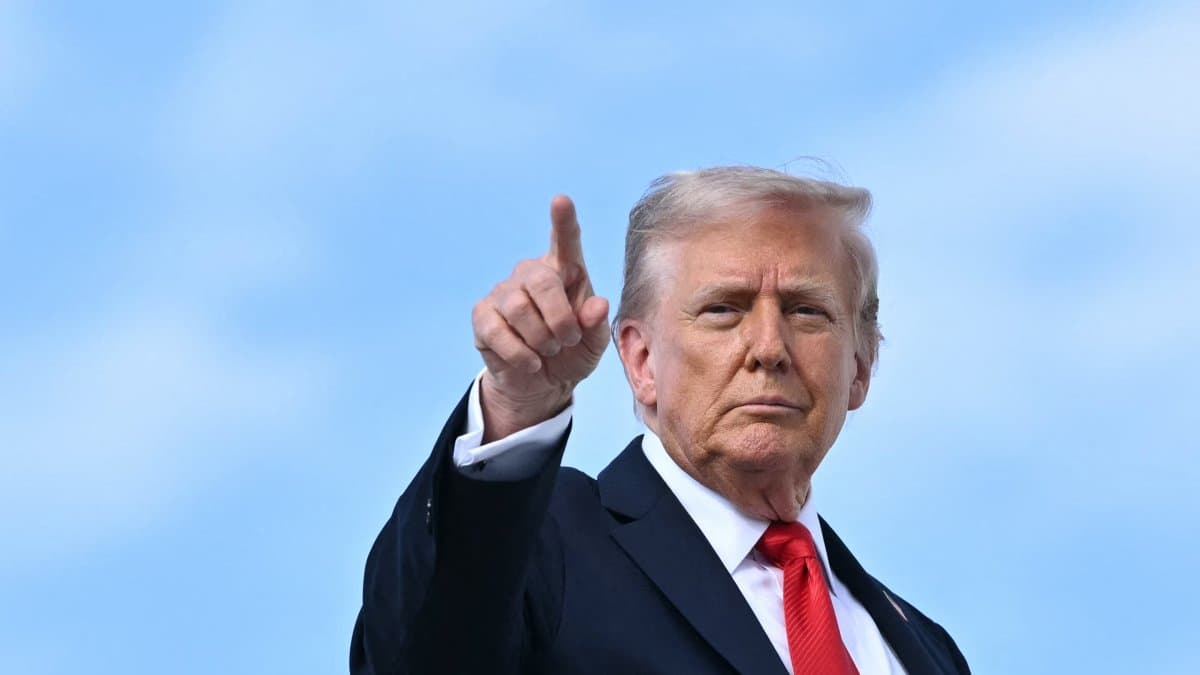

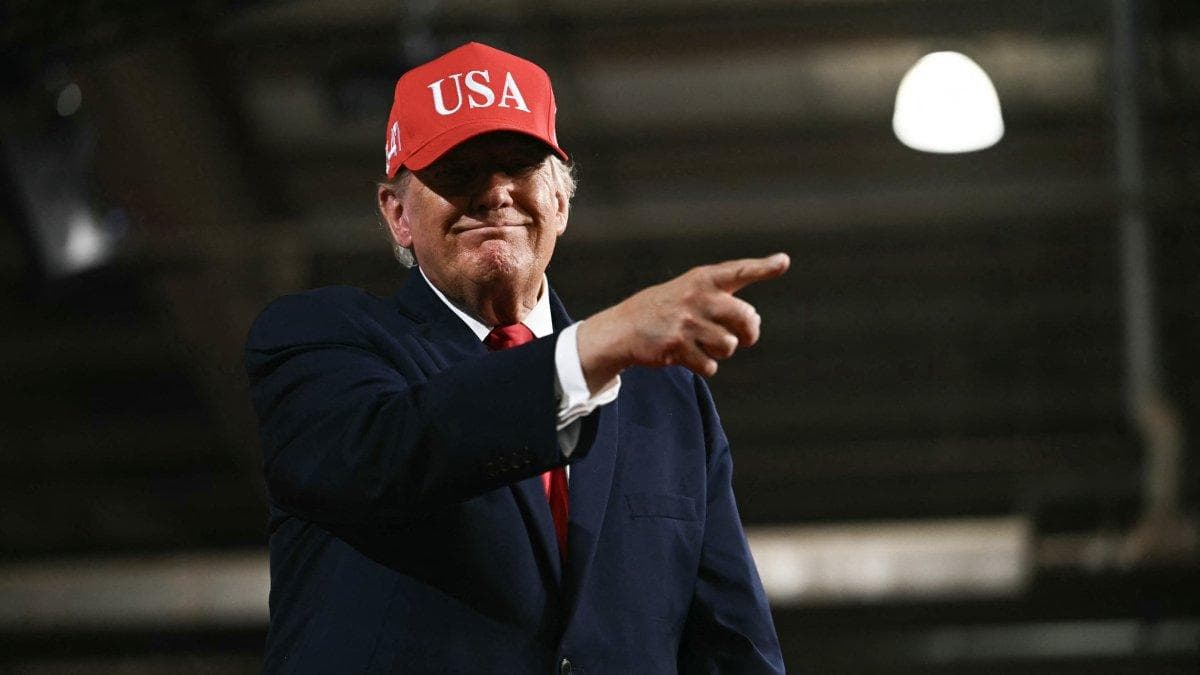
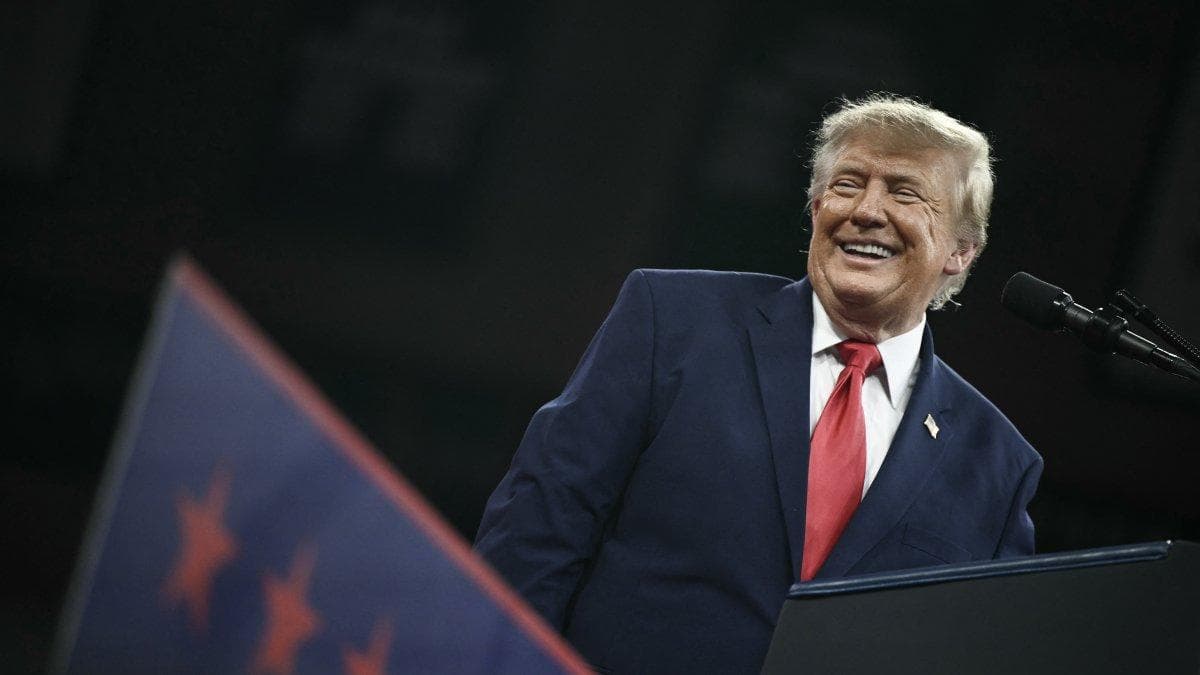
Although finally dismissed by a judge, the $15 billion lawsuit filed by Donald Trump against The New York Times for "defamation and libel," deepens the president's strategy to fight against disinformation. A staunch defender of freedom of expression, the Republican magnate has opted to fight by raiding the pockets of the major traditional media instead of setting up censorship systems so common in Europe or Latin America.
The complaint, filed on Monday, is in addition to those he filed against other major media such as the Wall Street Journal, ABC and CBS in recent times, also claiming important figures. It is worth noting that most of them have resulted in successful settlements for the president and that the judicial process did not go forward.
In fact, in the Truth Social post in which he announced the filing of the lawsuit against the newspaper, Trump recalled his successes in court in these cases, and included the move as part of his crusade against left-wing media that publish fake news.
"This ends, NOW!"
With a harsh and aggressive tone, Trump charged hard against The NYT, which he branded as "one of the worst and most degenerate newspapers in the history of our country." In addition to accusing it of defamation and misinformation against his person, his business and his family, he also criticized its "lies" about "the America First movement, MAGA, and our nation as a whole."
In addition, he criticized its official and unalloyed support for Kamala Harris's candidacy against him in the past election "at the center of the front page of The New York Times, something unheard of until now!" and accused it of having become "a virtual 'spokesman' for the Radical Left Democratic Party."
The president's complaint was not only against the newspaper, but includes, according to the NYT's response, "Susanne Craig, Russ Buettner, Peter Baker and Michael S. Schmidt. The lawsuit also named as a defendant Penguin Random House, which published a book about Mr. Trump written by Ms. Craig and Mr. Buettner."
According to the newspaper, this is a lawsuit for publishing "articles questioning his success," although the complaint points out that both the news stories and the book "were specifically designed to try to damage President Trump's business, personal and political reputation."
Both the NYT and Penguin Random House called the lawsuit "meaningless" and "empty."
$16 million settlement with CBS over editing of Kamala interview on '60 Minutes'
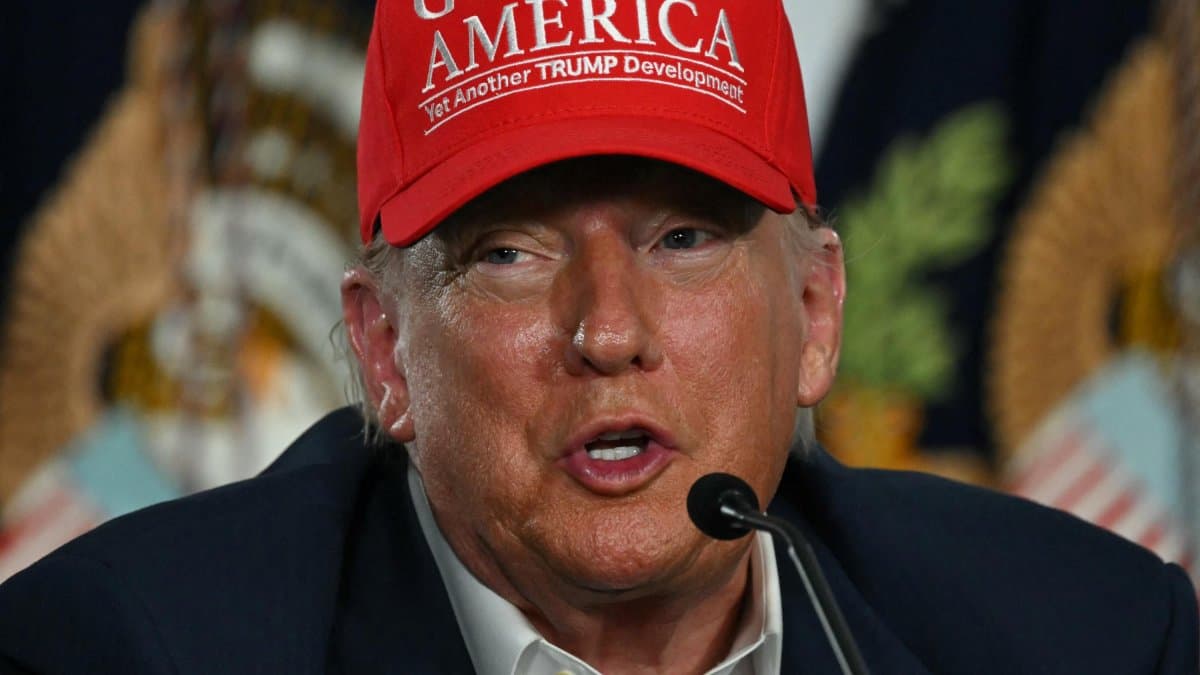
During the campaign, Trump charged hard against CBS for editing an interview with Kamala Harris in which the promotional videos themselves saw her lapse into several word salads when responding. The broadcast of the space showed only accurate answers from the then-vice president and even avoided including any intervention that could bring problems to the Democratic candidate.
Although Trump sued Paramount, the parent company of CBS for $10 billion -an amount that was later raised to $20 billion-, and even entertained the idea of withdrawing its license, he finally accepted a settlement of $16 million to close the matter.
The network did not apologize, but did agree to make public transcripts of the show's interviews with future presidential candidates. In addition, the affair ended up prompting the departures of 60 Minutes executive producer Bill Owens (April) and CBS News executive director Wendy McMahon (May).
According to a Paramount statement, the money from the lawsuit would not go to Trump's coffers, but to the future presidential library that the Republican mogul plans to build.
ABC also reached a million-dollar settlement to appease Trump
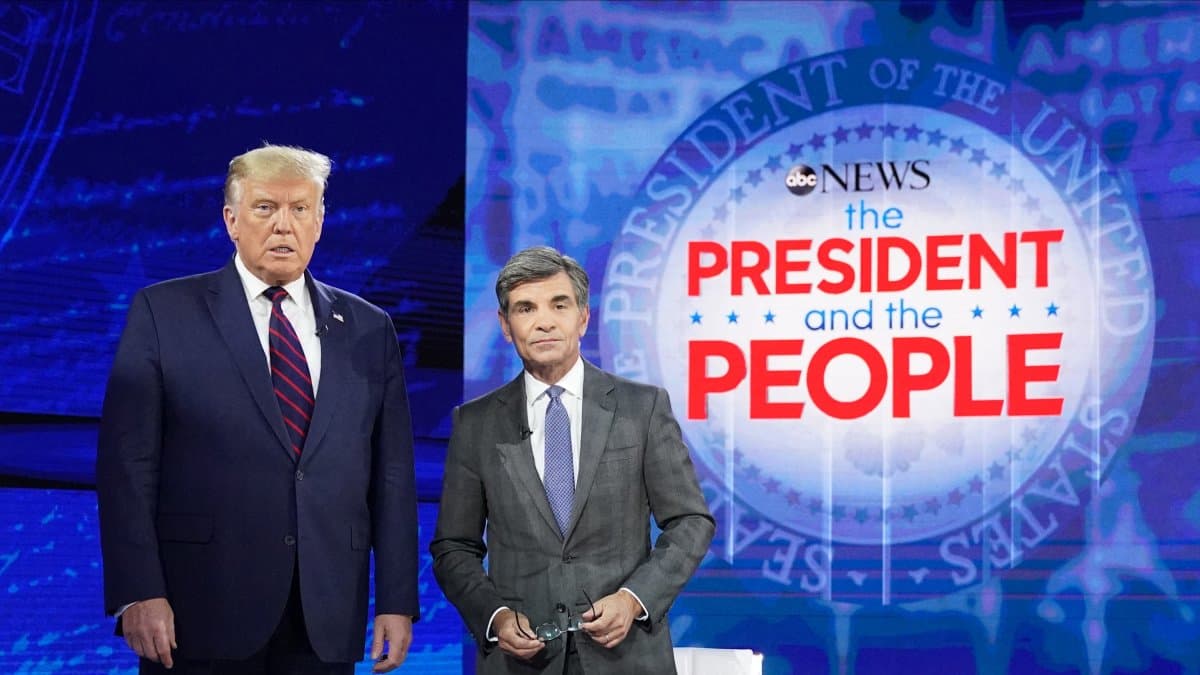
ABC reached a similar settlement with Trump after receiving a defamation complaint after the network's anchor George Stephanopoulos repeatedly accused the president of having "raped" E. Jean Carroll.
The ABC star host's statements took place during an interview with Rep. Nancy Mace on March 10, 2024. Following the complaint, the network managed to close a settlement for $15 million, the payment of $1 million as costs for the Republican mogul's legal team, and the publication of an apology:
"ABC News and George Stephanopoulos regret statements about President Donald J. Trump made during an interview by George Stephanopoulos with Rep. Nancy Mace on ABC's This Week on March 10, 2024."
A spokeswoman for the broadcaster added in a statement that "we are pleased that the parties have reached an agreement to dismiss the lawsuit on the terms presented in court," an ABC News spokesman wrote in a statement.
WSJ in trouble with Trump over Epstein case
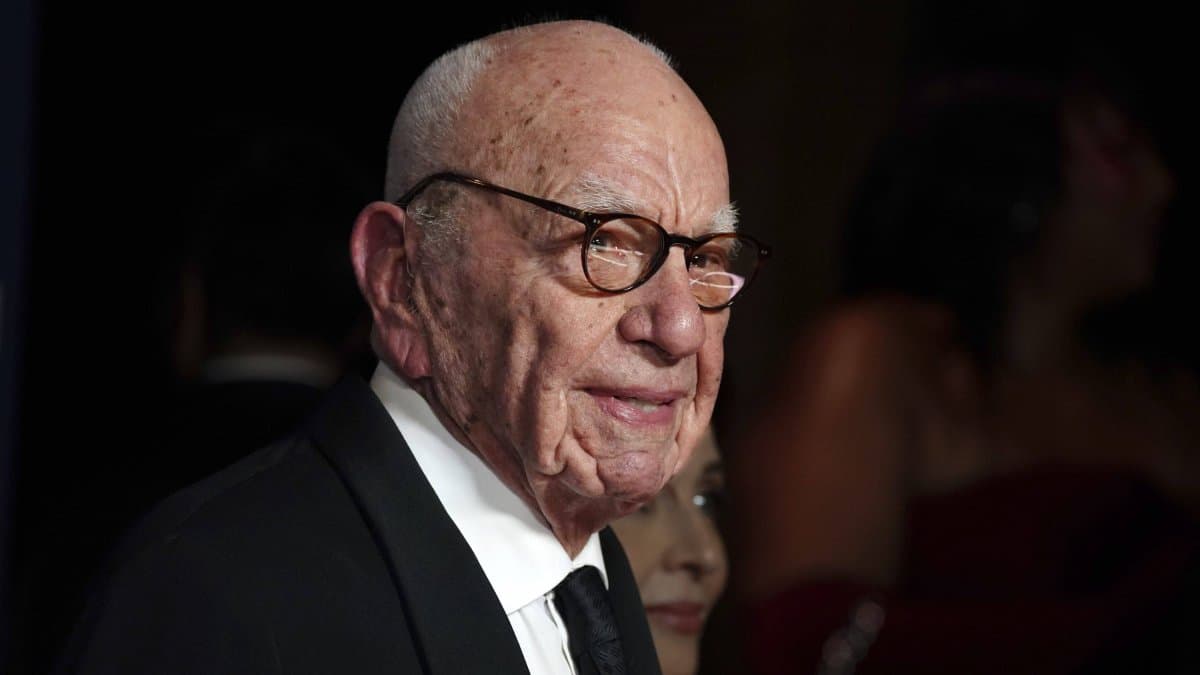
Also suffering from Trump's fight against what the president considers fakes news was the Wall Street Journal. In this case, after the publication in Rupert Murdoch's newspaper of an alleged "off-color" letter from Donald Trump to the late businessman accused of pedophilia and human trafficking Jeffrey Epstein, a lawsuit was filed by the Republican tycoon for $ 10 billion. Murdoch himself was also denounced.
Society
Murdoch will periodically brief Trump on his health as part of a deal to delay his deposition in the Epstein case
Emmanuel Alejandro Rondón
Censorship, the weapon of Europe, Canada and Brazil, among others
In most of these cases, the gag on freedom of expression is hidden under "fight against hate speech" or "discrimination."
In his crusade in defense of free speech, Trump has threatened sanctions against all these countries, a point that on many occasions has been reflected in the amount of tariffs he imposes on them.

🛠 Do you think there is an error in this article?
Recommendations



LATEST