BBC rectifies and offers an apology to Trump after threat of a million-dollar legal action
The network regretted how it edited a Jan. 6 speech in one of its documentaries, although it maintained that there is no basis for a defamation suit.

Donald Trump /

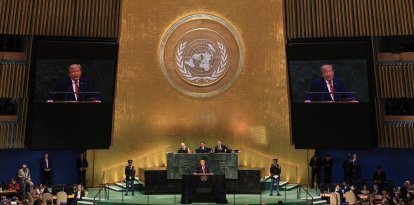
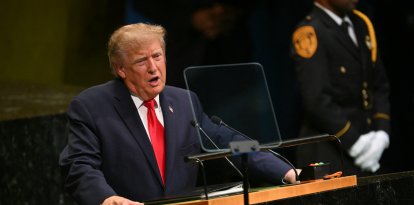
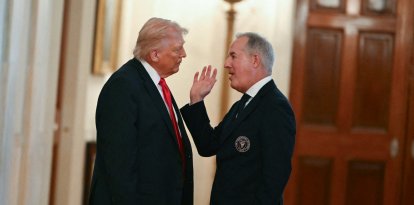
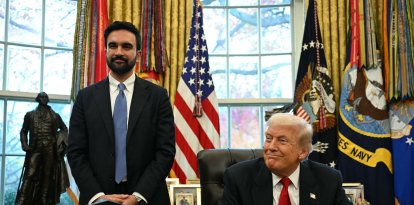
The BBC offered an apology to President Donald Trump for editing an excerpt of his Jan. 6, 2021, speech used in a documentary that sparked intense controversy. The corporation's president, Samir Shah, sent a personal letter to the White House expressing institutional regret for the way the video clip was disseminated. In parallel, the network's lawyers responded to Trump's legal team, which had sent a letter on Sunday warning of possible legal action. The BBC also informed that it will not rebroadcast the documentary on any of its platforms.
While the corporation regretted the edit, it maintained that it does not agree with the assertion that there is a basis for a defamation lawsuit. The program was harshly challenged because it omitted the passage in which Trump asked his supporters to protest peacefully and because it spliced together statements delivered nearly an hour apart, presenting them as if they were part of a single speech. According to critics, that edition offered a distorted account of the president's speech at a politically sensitive moment.
Questions about the documentary

Legal demands and warnings
The president's lawyers pointed out that the broadcast of the content demonstrated a "reckless disregard" for the truth. Trump demanded the withdrawal of the documentary, rectification of any further statements deemed false, an apology, and compensation. The letter sent to the BBC set a deadline of November 14, 2025, at 17:00 Eastern Time. "President Trump will be left with no alternative but to enforce his legal and equitable rights, all of which are expressly reserved and are not waived, including by filing legal action for no less than $1,000,000,000 (One Billion Dollars) in damages," the letter stated.

Society
Crisis at the BBC: top executives resign after manipulating a Trump speech on Jan. 6
Emmanuel Alejandro Rondón
Repercussions and internal disclosures
The controversy prompted the resignation of Deborah Turness, executive director of BBC News, and Tim Davie, the network's director general. Turness stated that she took responsibility for what happened, defended the work of the journalistic staff, and denied the existence of institutional bias, although she acknowledged mistakes.
LATEST