The Senate approves the bill to end the government shutdown and sends it to the House
The Republican-driven plan, backed by several Democrats, seeks to reopen federal agencies after more than 40 days of government and administrative paralysis.
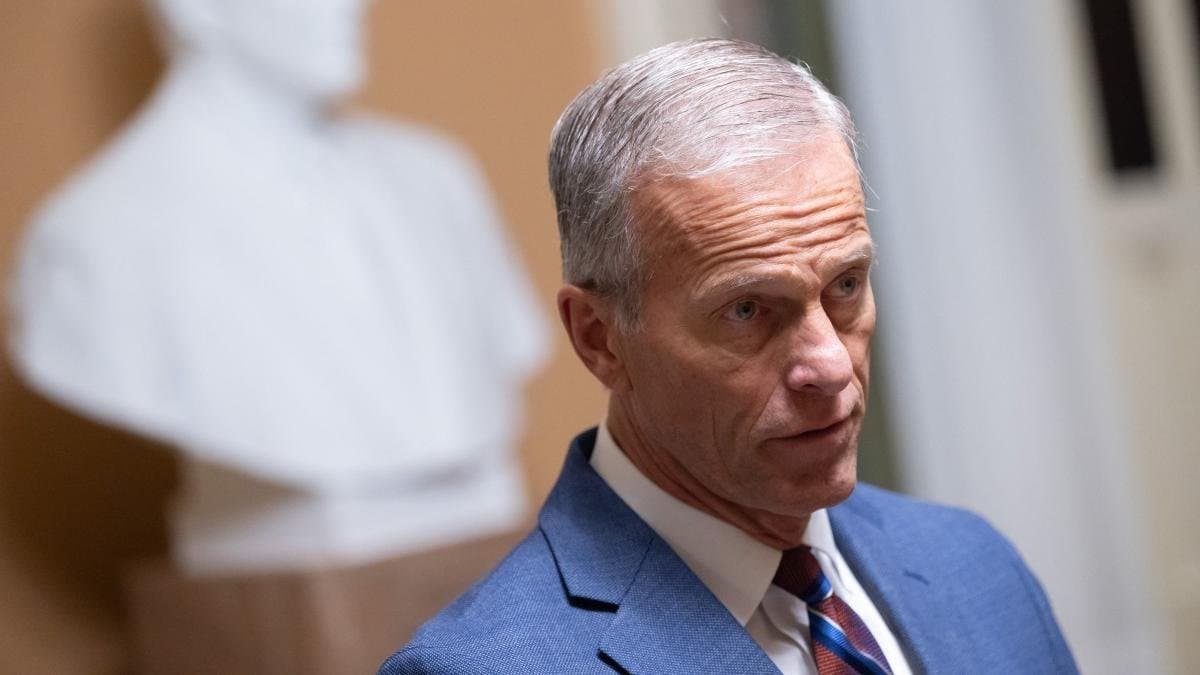

The Senate finally approved, Monday night, a Republican-driven bill to end the government shutdown that has now surpassed 40 days, the longest in the country's history. The measure, which brings together different federal funding packages, will now be sent to the House of Representatives, where a vote is expected in the coming days.
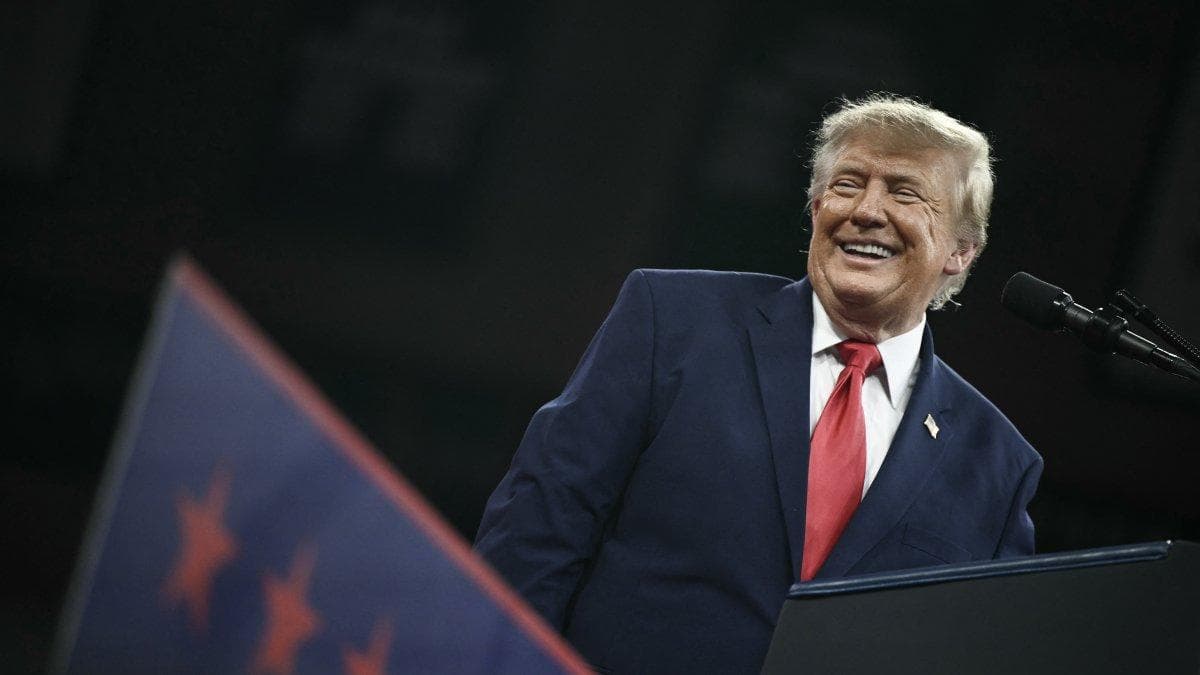
The deal passed narrowly, with 60 votes in favor and 40 against, with the support of only seven Democratic senators and one independent, along with the Republican majority minus the dissident Rand Paul, a Kentucky libertarian who expressed concern about hemp producers. President Donald Trump, moreover, confirmed his intention to sign the bill once it is approved by the lower House, which would mark the definitive end of one of the most costly, controversial, and complex federal shutdowns in recent times.
The legislative text, as reported by The Washington Post, restores funding for most federal agencies, reverses more than 4,000 layoffs executed during the shutdown, and prevents new layoffs until at least the end of January. It also guarantees funding for the Supplemental Nutrition Assistance Program (SNAP), which benefits some 42 million Americans, through September 2026.
However, Republicans can celebrate to their base that the proposal does not include extending the Affordable Care Act (ACA) subsidies, which expire at the end of 2025. This omission, fittingly, generated disappointment and criticism within the Democratic bloc, which demanded keeping that subsidy to vote for it.
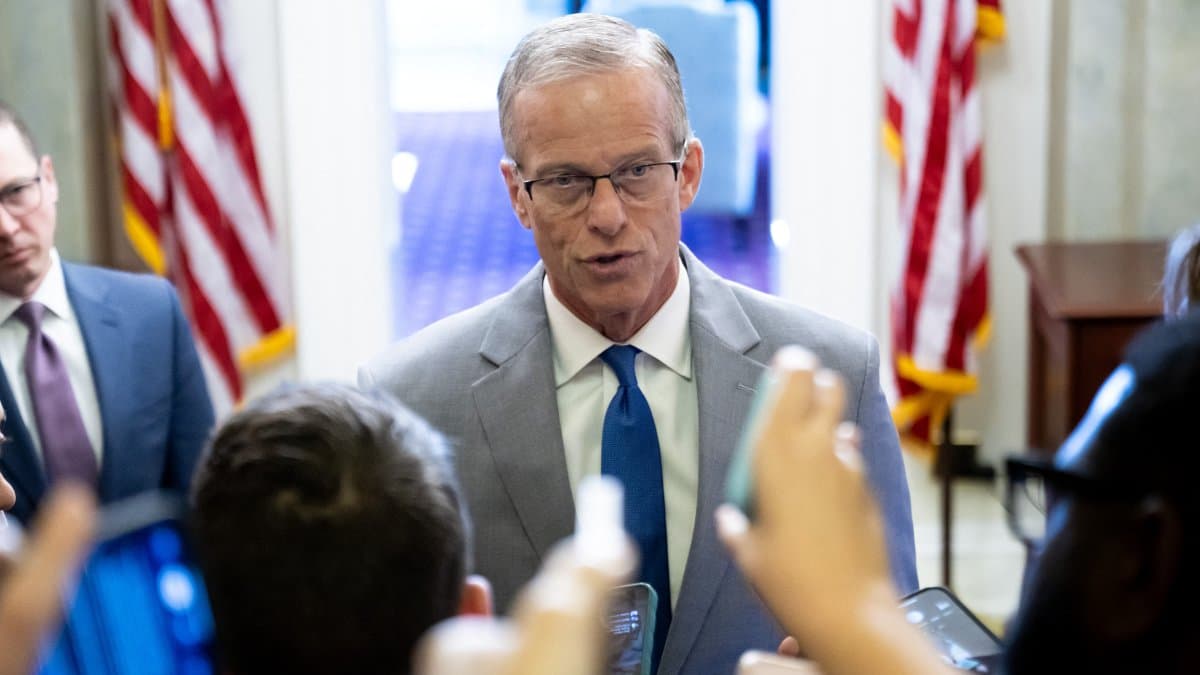
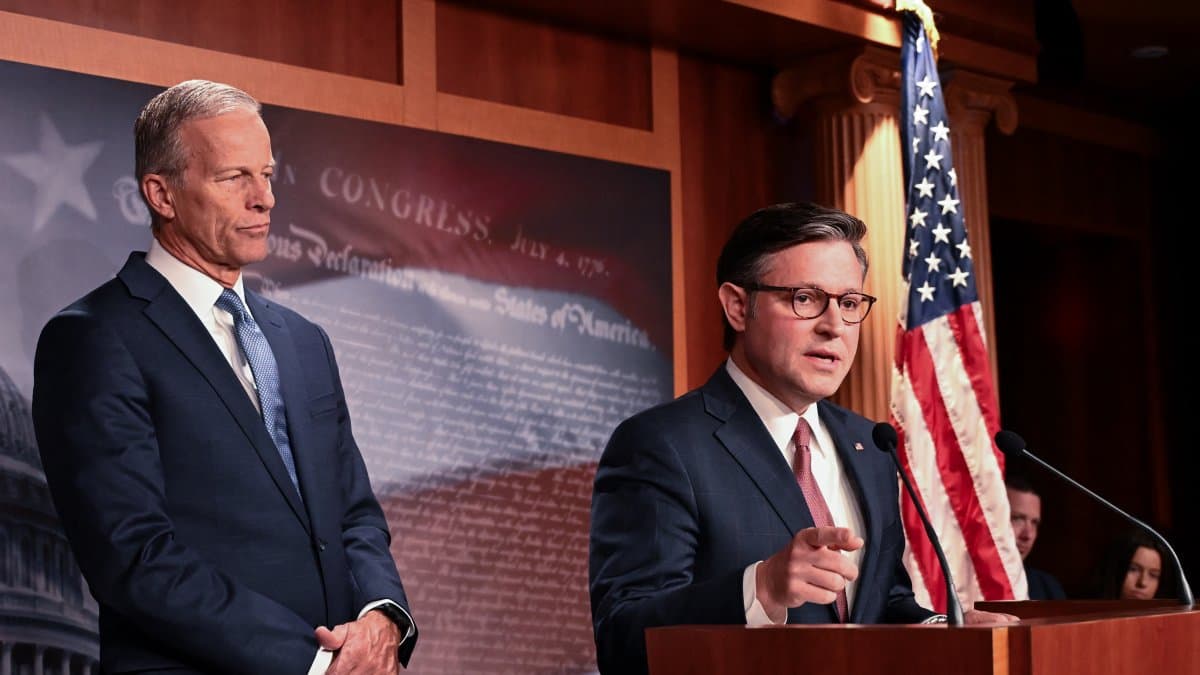
“I could spend an hour talking about all the problems we’ve seen, which have snowballed the longer this shutdown has gone on,” said Senate Majority Leader John Thune (R-South Dakota). “But all of us, Democrat and Republican, who voted for last night’s bill are well aware of the facts, and I am grateful that the end is in sight.”
During the weeks of the government shutdown, hundreds of thousands of federal employees worked without pay or were furloughed. National parks and museums in Washington, D.C. remained largely closed, and SNAP payments were delayed, generating assorted court disputes. There were also harsh air delays due to a shortage of traffic controllers, exacerbating pressure on Congress to reach a deal quickly.
Democratic leader Chuck Schumer, perhaps the big loser of the day, criticized the approved pact harshly, calling it a "Republican surrender" to White House pressure. Meanwhile, President Trump blamed Schumer for the legislative stalemate and the lack of progress on the budget.
The president even claimed that Schumer was wrong to take the government shutdown too far, claiming he "lost his negotiating talent" and ended up falling to the Republican bloc.

Politics
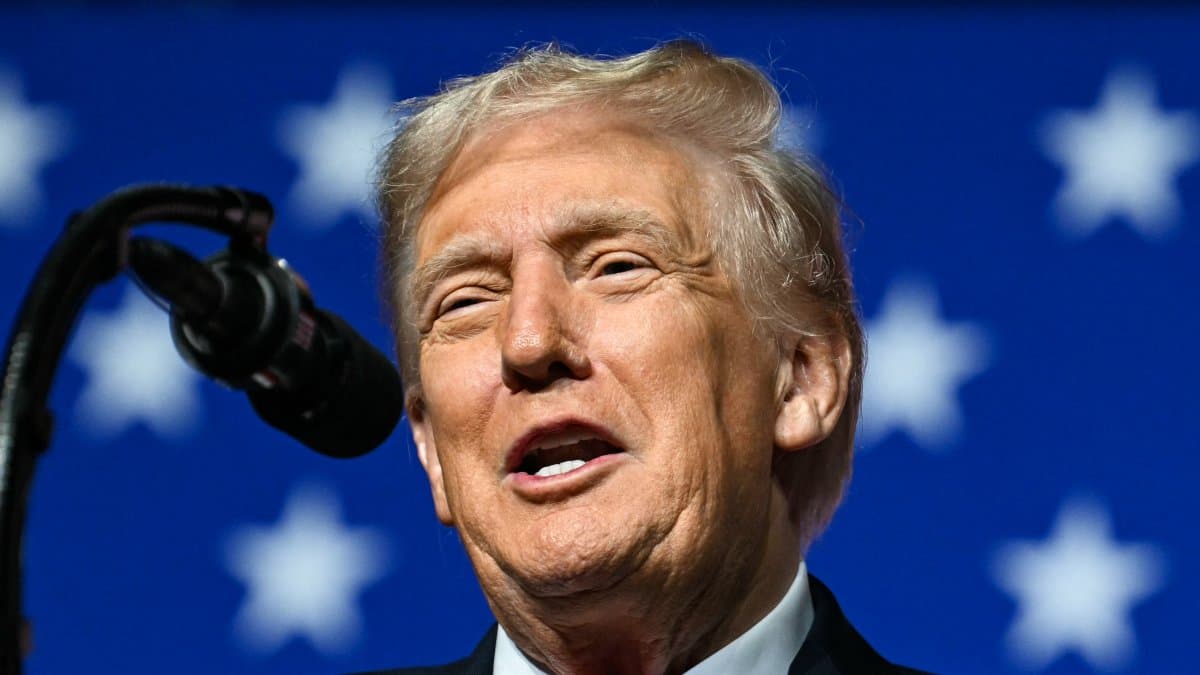
Trump assured that the Democrats "are cracking like dogs" in the face of pressure from the government shutdown
Luis Francisco Orozco
The deal, according to reports, includes a commitment to hold a vote in December on a possible extension of health care subsidies, though it is unclear whether it will have sufficient support within the Senate or the House of Representatives, where Majority Leader Mike Johnson (R-Louisiana) is keeping his caucus under a strategy of party discipline.
Despite tensions between Democrats and Republicans, the approval in the Senate marks the first major step toward the full reopening of the federal government, which could materialize before the end of the week if the House ratifies the text without modifications.
🛠 Do you think there is an error in this article?
Recommendations



LATEST