






Trump administration calls it 'a mockery of separation of powers' and appeals court order requiring full payment of SNAP program
The move comes a day after federal Judge John McConnell, nominated by former President Barack Obama, ruled that the Republican Administration's plan to partially distribute the program's resources during the shutdown was not sufficient.
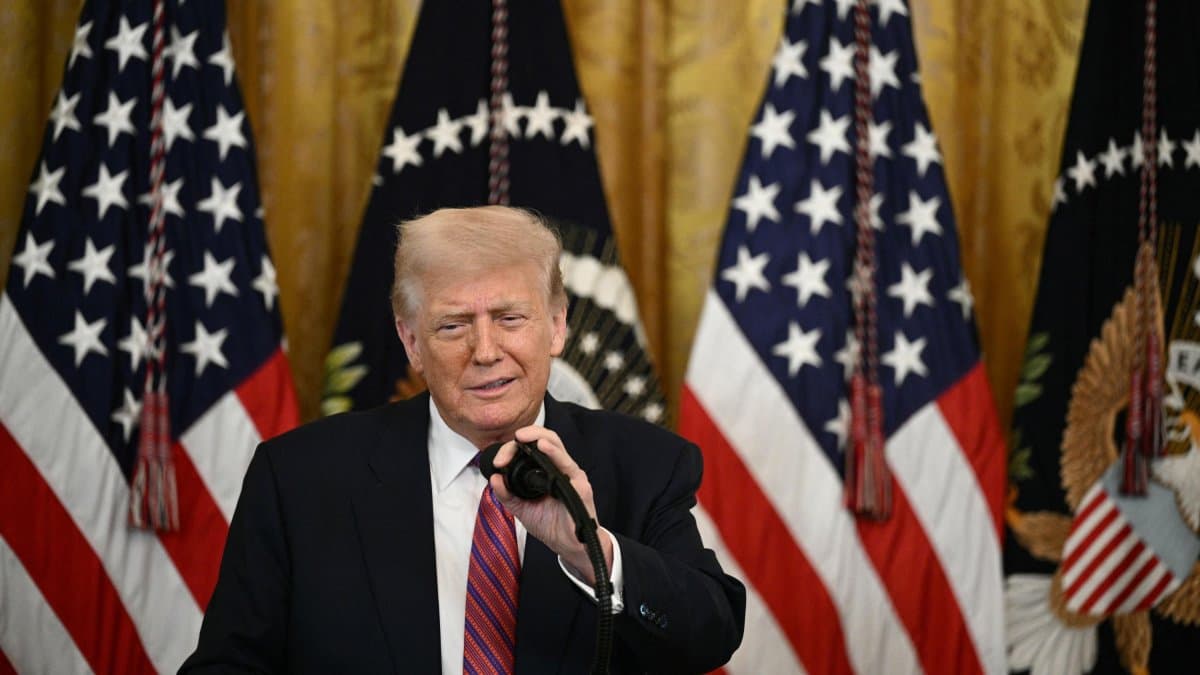

Amid the prolonged federal government shutdown, the Supreme Court gave some breathing room to the Trump Administration and temporarily blocked orders mandating full payment of Supplemental Nutrition Assistance Program benefits (SNAP) for November.
On Friday, the Department of Justice (DOJ) filed an emergency petition with the U.S. Court of Appeals for the First Circuit, asking to immediately block a lower district judge's directive. The court ruled against it, and the Trump Administration then filed an emergency appeal to the U.S. Supreme Court, which intervened hours later in the evening.
The move came just a day after federal Judge John McConnell, nominated by former President Barack Obama, ruled that the Administration's plan to partially distribute resources during the shutdown was not sufficient.
Along those lines, McConnell ordered the government to dip into emergency funds to cover the full payments, estimated at more than $9 billion, benefiting approximately 42 million people across the country. These funds are distributed through the states, and the deadline for payments is this Friday.
A failed appeal
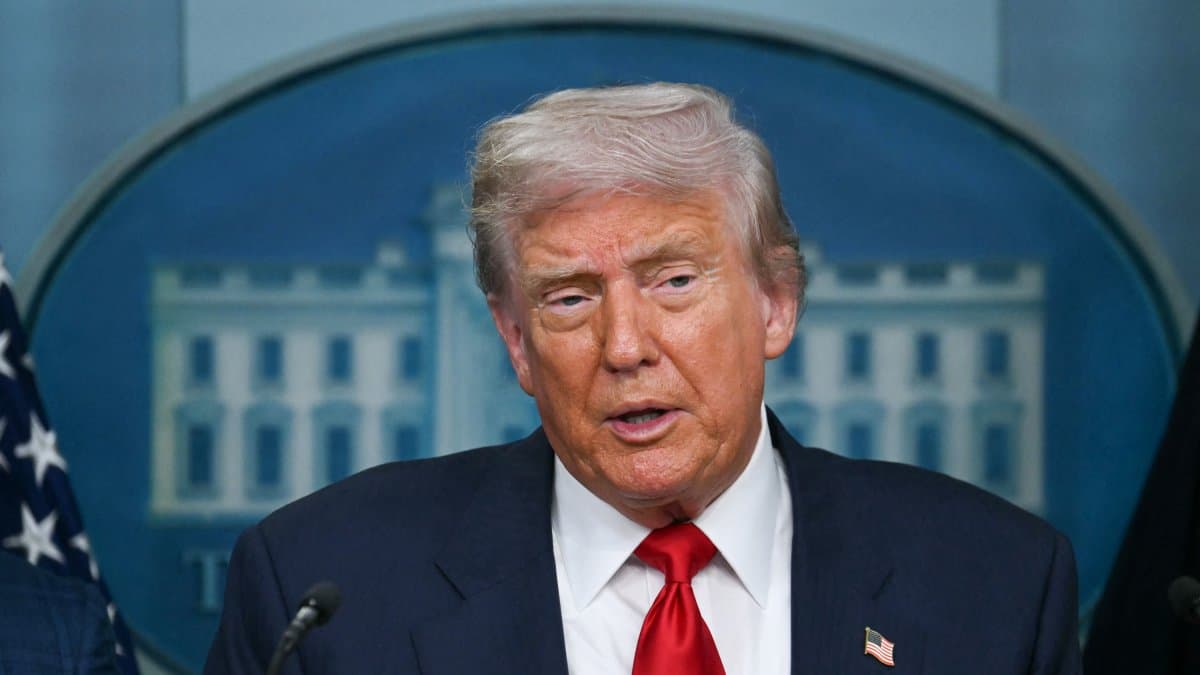
In its motion for appeal, the DOJ called McConnell's order "unprecedented" and a "mockery of the separation of powers." They further argued that the government shutdown, caused by the lack of a budget agreement in Congress, means that the SNAP program "is subject to available appropriations" until the legislative dispute is resolved.
“This is a crisis, to be sure, but it is a crisis occasioned by congressional failure, and that can only be solved by congressional action,” the department wrote in the document, according to review The Hill.
The administration, instead,proposed exhausting an emergency fund of about $5 billion. Ultimately, the appeal failed.
If McConnell's order stood, states would have received the full funds on time; but, as the Supreme Court intervened, SNAP recipients could face reductions or delays in their monthly payments.
New York Attorney General Letitia James, reacted to the Supreme Court decision by calling it a "tragedy."
"This decision is a tragedy for the millions of Americans who rely on SNAP to feed their families. It is disgraceful that the Trump administration chose to fight this in court instead of fulfilling its responsibility to the American people," she said in a statement.

Society
What is the Supplemental Nutrition Assistance Program (SNAP) and how does it work?
Diane Hernández
About SNAP
According to datafrom USDA, every dollar invested in SNAP generates up to$1.50 in economic activity, making it an essential program not only for public health, but also for the financial stability of many regions.
🛠 Do you think there is an error in this article?
Recommendations



LATEST