Federal judge orders Trump administration to provide full SNAP payments
U.S. District Judge John McConnell, an appointee of former President Barack Obama, rejected the Administration's plan to issue only partial payments using a contingency fund.

A federal judge ruled Thursday that the government must make full Supplemental Nutrition Assistance Program (SNAP) payments by November, ignoring the ongoing government shutdown.

Society
What is the Supplemental Nutrition Assistance Program (SNAP) and how does it work?
Diane Hernández
The order seeks to ensure that some 42 million Americans are not left without these essential benefits.
U.S. District Judge John McConnell, appointed by former President Barack Obama, rejected the administration's plan to issue only partial payments using a $5 billion contingency fund, insufficient to cover the more than $9 billion estimated for this month. “This is a problem that could have and should have been avoided," McConnell said during the hearing.
The decision stems from a lawsuit pushed by a coalition of cities and private organizations, one of two legal actions against the administration. Last week, McConnell had ordered at least exhausting the contingency fund or seeking additional resources to avoid irreparable damage.
Politics
Trump administration to use contingency funds to partially maintain SNAP benefits
Luis Francisco Orozco
However, the Administration opted for partial payments, warning of possible delays of weeks in some states, but trying to seek a solution as soon as possible.
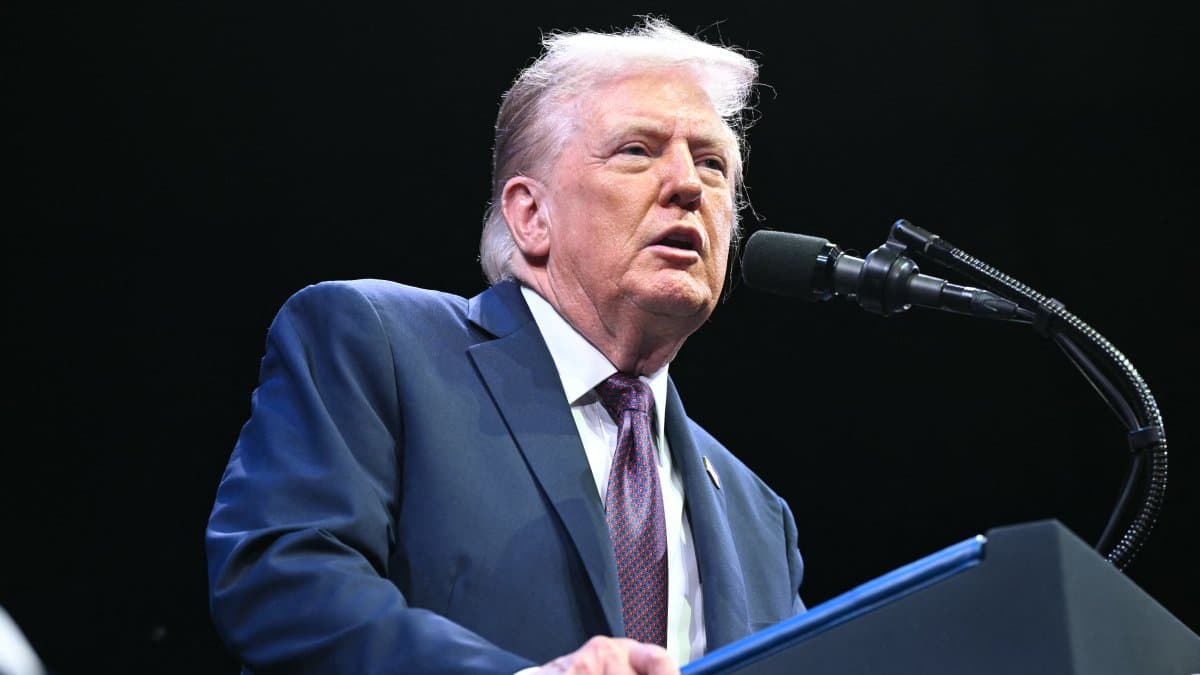
“If that continued to be the case then the administration was required under this court’s order to immediately make the full payment for November SNAP benefits considering the finding of irreparable harm that would occur,” McConnell wrote in his ruling. The new directive requires transferring the full funds to the states by Friday, allowing them to be distributed to households.
Lawyers for the Department of Justice (DOJ) defended the government's position, arguing that its interpretation of the order was "reasonable" and that using extra funds would jeopardize child nutrition programs for 28 million children. “The government reasonably interpreted the order,” counsel Tyler Becker argued in court, according to a review by The Hill.
However, the magistrate dismissed the argument. “Contrary to the defendants’ argument, 28 million children are not at risk of going hungry should this transfer occur," the judge countered.
The shutdown continues
The Senate will vote Friday on a proposal to move forward, after the stopgap funding resolution passed by the House of Representatives failed to advance 14 times so far due to Democrat pushback.
🛠 Do you think there is an error in this article?
Recommendations





LATEST