Senate: Vote to end government shutdown sparks internal war among Democrats
What began as a Democratic united front to take advantage of the crisis and win an extension of Obamacare subsidies, which expire at the end of the year, turned into a war that unleashed open criticism of the blue leadership, with Senate Minority Leader Chuck Schumer even facing calls for his resignation.
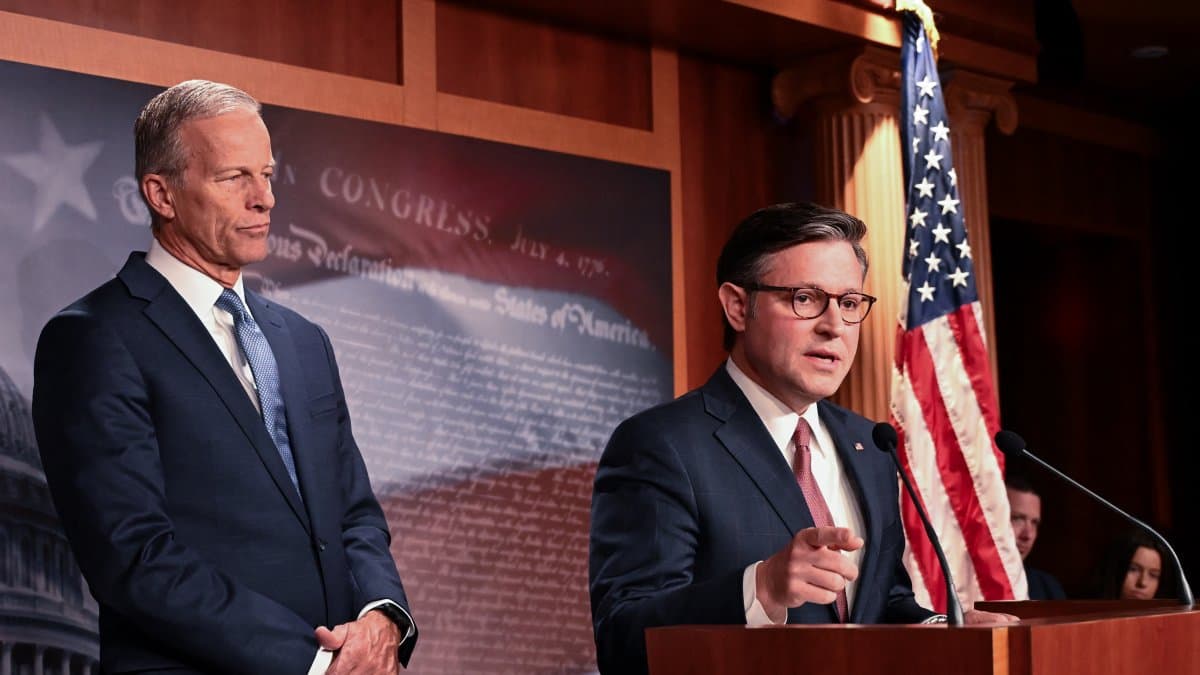

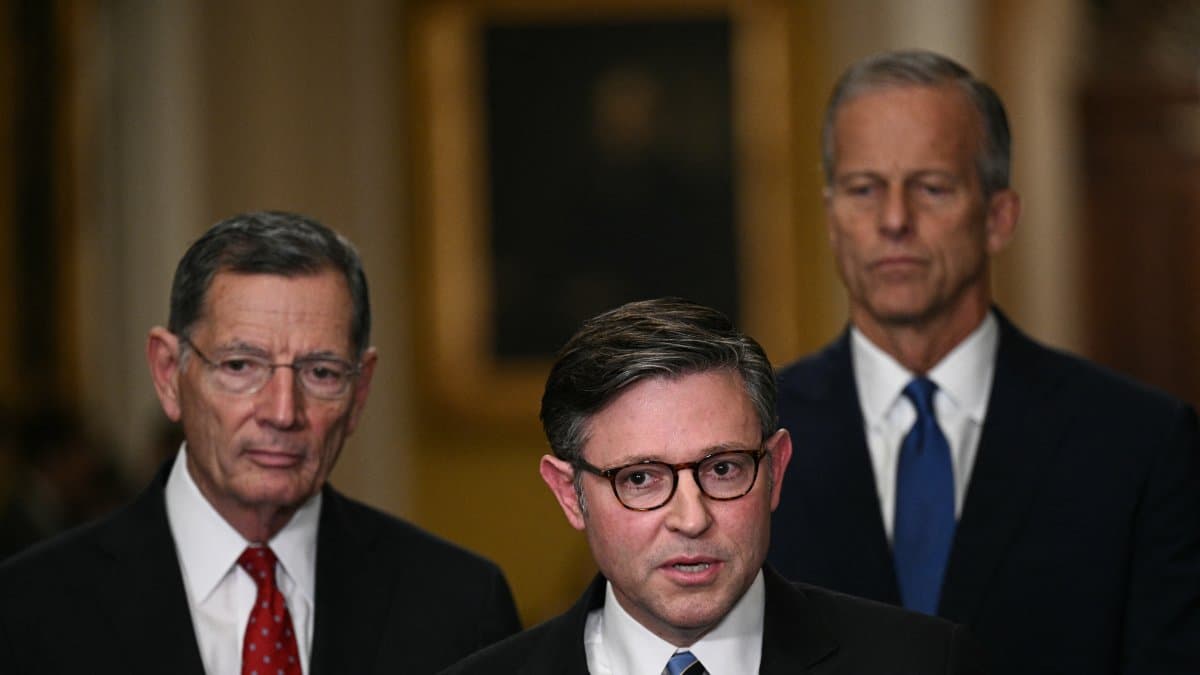
The Senate vote held Sunday night to advance a short-term spending package, which opens the way to reopening the federal government after a record 40-day shutdown, laid bare the deep divisions within the Democratic Party.
Criticism is unleashed
What began as a Democratic united front to take advantage of the crisis and get an extension of Obamacare subsidies, which expire at the end of the year, became a war that unleashed open criticism of the blue leadership, with Senate Minority Leader, Chuck Schumer, even facing calls for his resignation.
The government shutdown, which began on Oct. 1, was triggered when Democrats rejected a continuing resolution (CR) introduced by Republicans in the House of Representatives, which sought to keep the government running until November 21.
As it was, the Democrats demanded that the gradual extension of the Obamacare tax credits implemented during the COVID-19 pandemic be considered first. Republicans, for their part, saw spending and tax credits as unrelated issues and refused to negotiate.
Democratic Party gives in
After nearly seven weeks of stalemate, eight Senate Democrats, including independent Angus King of Maine, crossed party lines to join Republicans and overcome procedural hurdles, achieving the 60 votes needed to advance the bill.
Politics
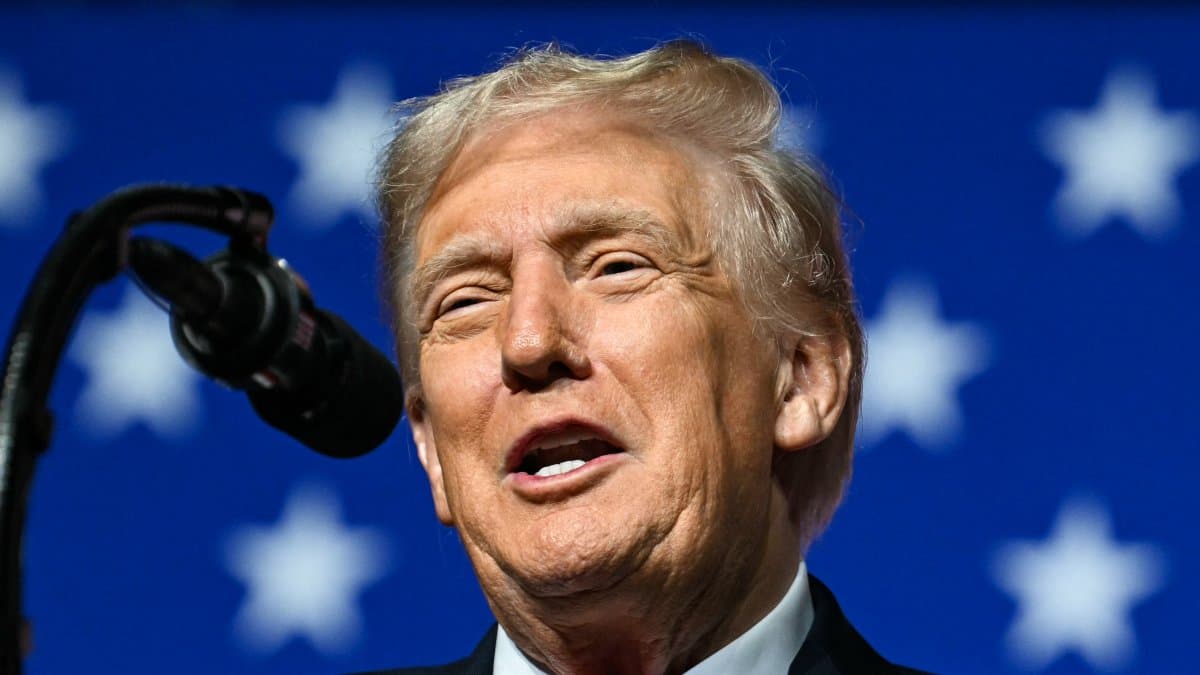
Trump assured that the Democrats "are cracking like dogs" in the face of pressure from the government shutdown
Luis Francisco Orozco
The package, which is now being voted on in the Senate and will then move to the House, funds the government through Jan. 30, 2026 and includes three annual spending bills for the portfolios of:
- Veterans Affairs
- Agriculture
- Legislative Operations
A negotiation
In return, Democrats who supported the package succeeded in including a clause that prevents the incoming Trump administration from conducting mass layoffs of federal employees until January 30 and guarantees retroactive pay to affected workers from the start of the shutdown.
It also secured, as Senator John Thune had been promising, a separate vote on Obamacare subsidies later this year.
A high cost
The success of the vote has come at a high cost to Democratic cohesion. One of the eight who supported the measure described the party's initial strategy as unsustainable. "After six weeks - almost seven weeks - that strategy wasn't working," Senator King declared, according to a report from Fox News.
"It wasn’t going to happen. The question was: Does the shutdown further the goal of achieving some needed support for the extension of the tax credits? Our judgment was that it will not produce that result."
He further added that nearly seven weeks of failed attempts gave no indication that prolonging the standoff - even until after Thanksgiving - would change the outcome.
Criticism of Schumer and a call for replacement
Prominent figures in the party sharply criticized Schumer and the leadership for pushing an effort doomed to fail. Rep. Ro Khanna, D-California, wrote on social media Sunday, “Senator Schumer is no longer effective and should be replaced. If you can’t lead the fight to stop healthcare premiums from skyrocketing for Americans, what will you fight for?”
Senator Schumer is no longer effective and should be replaced. If you can’t lead the fight to stop healthcare premiums from skyrocketing for Americans, what will you fight for?
For his part, Schumer criticized the deal, accusing Republicans of rejecting a Democratic counterproposal to extend the subsidies one year and demonstrating that (Republicans) "are against any health reform."
Rejection for failing to get Obamacare extended
For many Democrats, failing to achieve an extension - even a partial one - of Obamacare subsidies was unacceptable. Senator Mark Warner, Democrat of Virginia, rejected the proposal: "I cannot support a deal that still leaves millions of Americans wondering how they are going to pay for their healthcare or whether they will be able to afford to get sick," Warner stated, according to Fox News.
For his part, Rep. Ritchie Torres, D-N.Y., was even more blunt on X: That’s not a deal. It’s an unconditional surrender that abandons the 24 million Americans whose health care premiums are about to double."
If this is the so-called 'deal,' then I will be a no.
That’s not a deal. It’s an unconditional surrender that abandons the 24 million Americans whose health care premiums are about to double. https://t.co/3x2n1zKXbm
Sen. Elizabeth Warren, D-Massachusetts, said moments after voting against it, "I just don’t get what the point is of delaying even longer. I want Republicans to grow a backbone and say, ‘Regardless of what Donald Trump says, we’re going to restore these cuts on healthcare,’ but it looks like I’ve lost that fight. So, I don’t want to impose more pain on people who are hungry and who haven’t been paid," as reviewed by the media outlet.
Sen. Chris Coons, a Delaware Democrat who also vowed to vote against because of the package's silence on subsidies, acknowledged the internal rifts: "On healthcare, I’d like to keep trying. But I understand, I respect my colleagues who are saying it’s time," Fox News reported.
The road ahead
The legislative path is complex and consists of multiple steps. First, Thune will bring the original House-passed stopgap funding resolution to a vote. This instrument will serve as the vehicle for incorporating both the budget revision proposal and the updated resolution.
Subsequently, two additional votes will be taken in the Senate to advance the entire package. Only then will the bill return to the House for final approval before reaching the desk of President Donald Trump for his signature.
A step in the right direction, but still lacking
This vote is the first test of whether this bipartisan pact can indeed end one of the longest shutdowns in the country's history. For now, the government remains shut down, and the country awaits the outcome on Capitol Hill.
🛠 Do you think there is an error in this article?
Recommendations



LATEST