Mike Johnson defends Senate filibuster amid Trump's push to eliminate it
The House speaker stressed that this rule has been seen as an "important safeguard" against excessive partisanship in Congress.
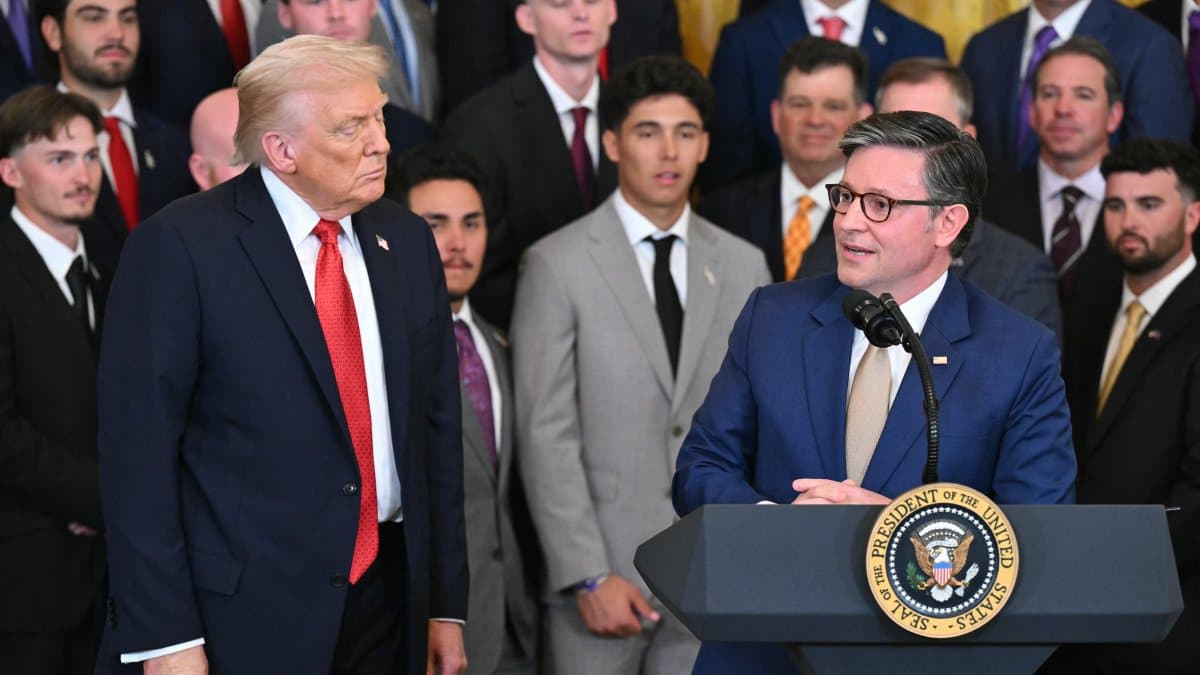

Mike Johnson defended the filibuster in the Senate. Amid pressure from Donald Trump for congressional Republicans to eliminate this key legislative rule, the House speaker weighed in during a press conference he held on Capitol Hill.
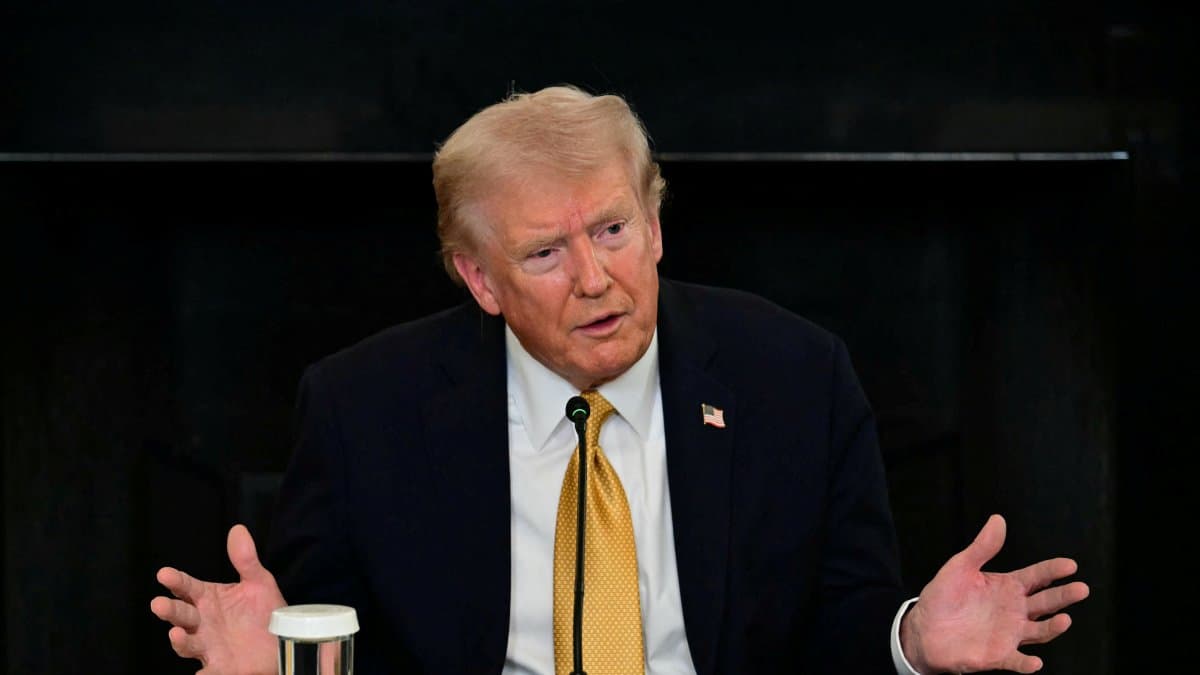
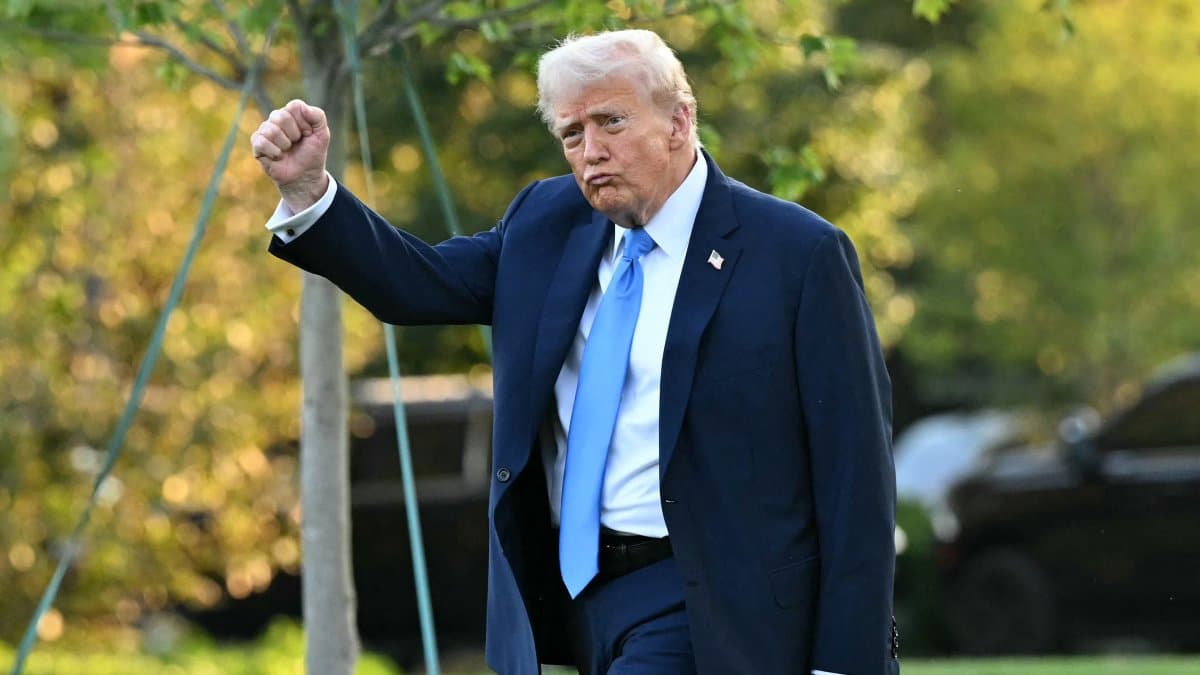
Johnson told the chairmen that he had spoken with Trump in recent days, amid what could become the longest government shutdown in history. Those talks included filibustering, much criticized lately by the president, who made two posts about it on Truth Social. "TERMINATE THE FILIBUSTER, NOT JUST FOR THE SHUTDOWN, BUT FOR EVERYTHING ELSE," he wrote in the most recent post.
In this context, while Johnson clarified that it is a Senate matter, he expressed concerns about the possible end of the filibuster: "I understand desperate times call for desperate measures. I also understand that traditionally, we’ve seen that as an important safeguard."
"Obviously, I shared my views on this with the president. As a House member, I have occasionally wanted to end the filibuster when we were not achieving our goals, but I hear my Senate Republican colleagues, who are among the most conservative members of Congress, say it's a crucial safeguard. It keeps us from embracing the worst tendencies of the Democrats," the Republican continued.
Johnson also spoke on the matter with Fox News and underlined that Republicans won't always be in power, so eventually Democrats could also make use of the Senate without the filibuster.
"Imagine a scenario where they were in charge and they didn't have the filibuster. We would have nationalized elections, they would infringe on our 2A rights, they'd pack the Supreme Court, and they'd make Puerto Rico and DC states," he explained.
Mike Johnson: "Imagine a scenario where they were in charge and they didn't have the filibuster. We would have nationalized elections, they would infringe on our 2A rights, they'd pack the Supreme Court, and they'd make Puerto Rico and DC states." pic.twitter.com/ngeoUd18Cn
What is the Senate filibuster and why is it important?
In the Senate, the situation is a little different. While the founding fathers intended it as a more deliberative body, they did not specifically create a rule to ensure that happens.
However, it naturally evolved to create a mechanism that limits the power of the majority. Once a bill arrives and goes to debate, more or less lengthy depending on the subject matter, it takes 60 senators out of 100 to end that debate and move on to a final vote. This final vote is governed by simple majority rules: 51 senators or 50 plus the vice-presidential runoff. Currently, because Trump has 53 Republicans in the Senate, he is forced to negotiate with Democrats to reach a majority of 60.
This rule, known as a filibuster, is an ally for the party in the minority and usually a headache for the majority. It affects only legislation, but not judicial nominations, either to lower courts or to the Supreme Court.
In 2024, Senator Steve Daines explained to VOZ the importance of this rule and asserted that eliminating it would be a "terrible" idea.
🛠 Do you think there is an error in this article?
Recommendations





LATEST