






Trump praises the “visionary” Christopher Columbus and his “noble mission” in his Columbus Day proclamation
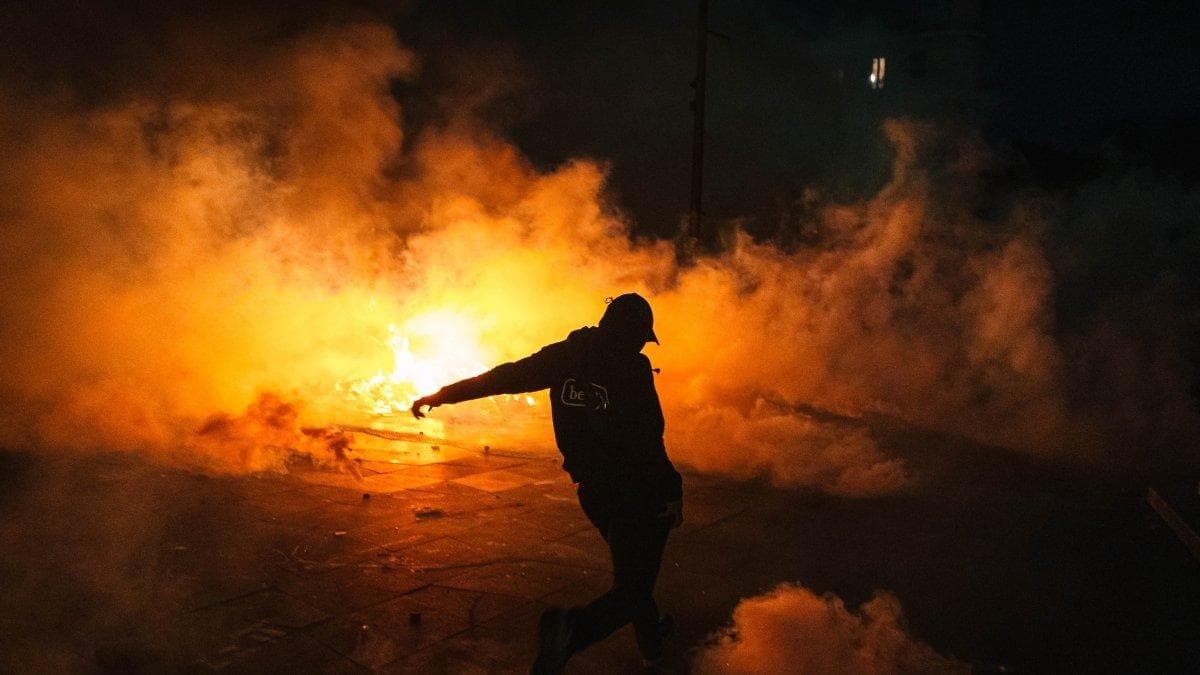
“The left-wing arsonists have sought to destroy his name and dishonor his memory” denounced the president in his tribute to the “original American hero.”
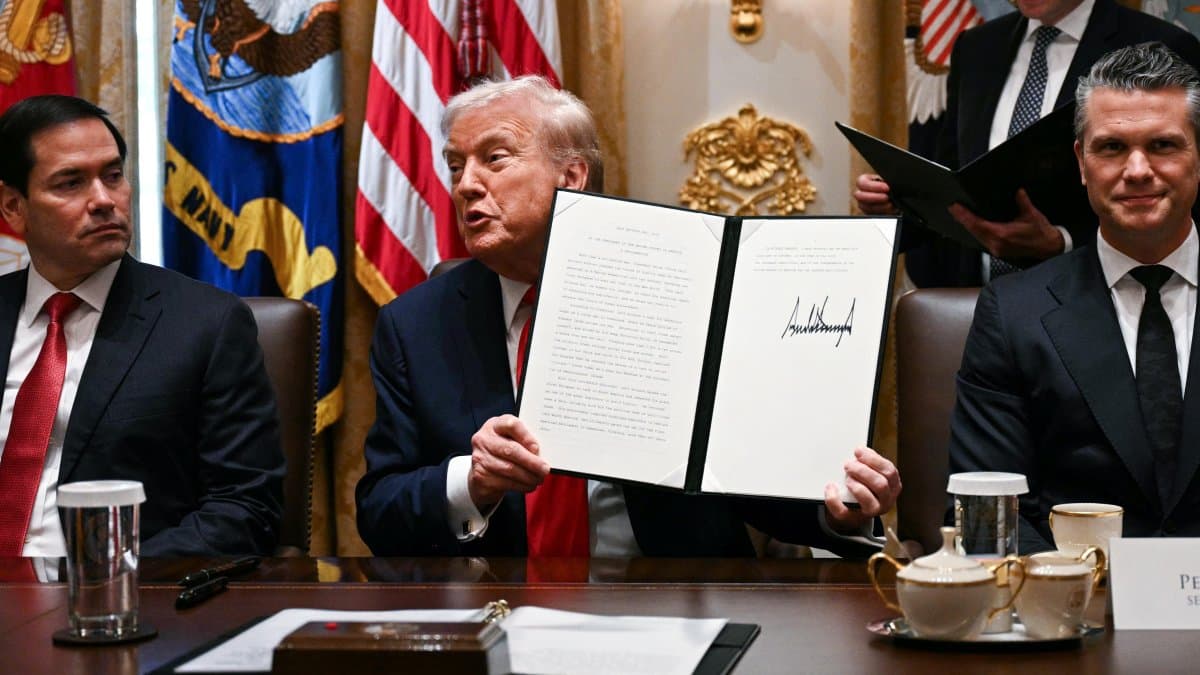

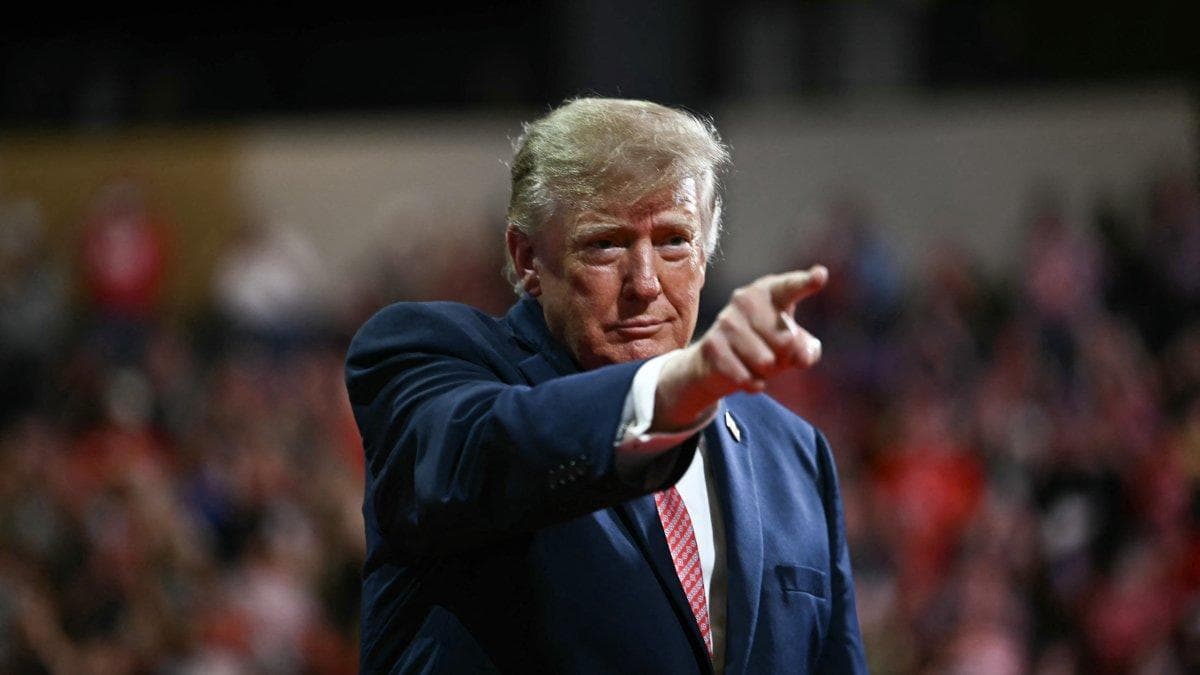
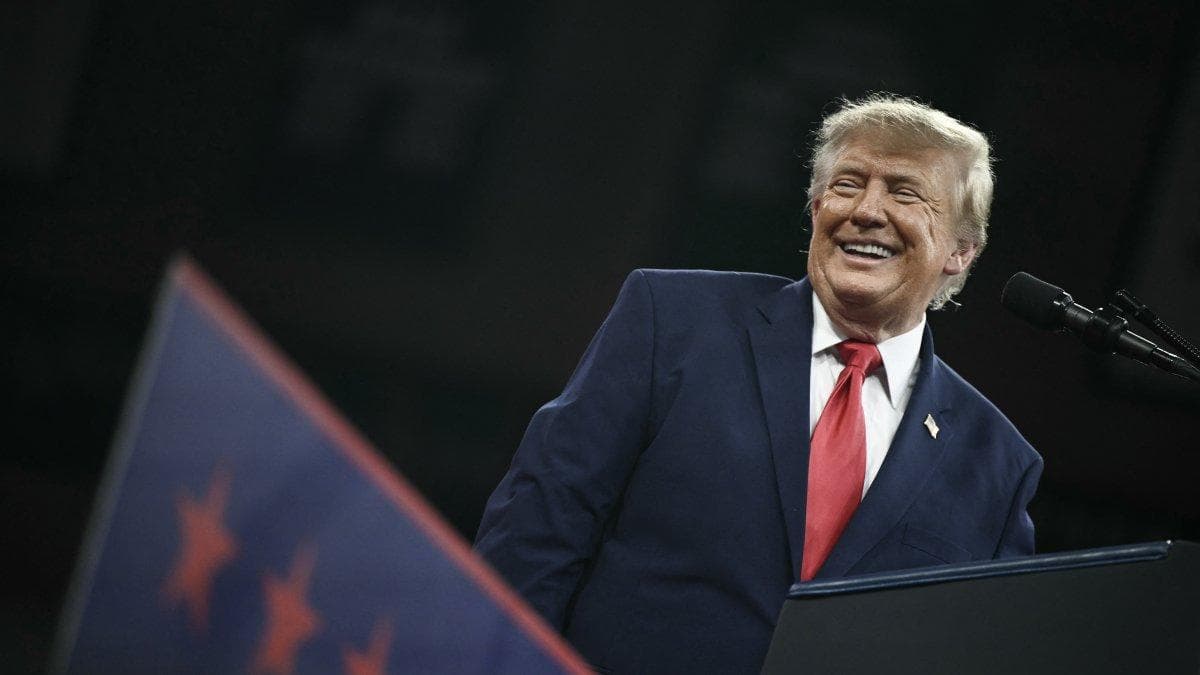
President Donald Trump signed this Thursday a proclamation reaffirming Columbus Day as a celebration of the Italian explorer Christopher Columbus, declaring "We are back, Italians!" during a meeting of his Cabinet.
"This Columbus Day, we honor his life with reverence and gratitude, and we pledge to reclaim his extraordinary legacy of faith, courage, perseverance, and virtue from the left-wing arsonists who have sought to destroy his name and dishonor his memory," the document announces.
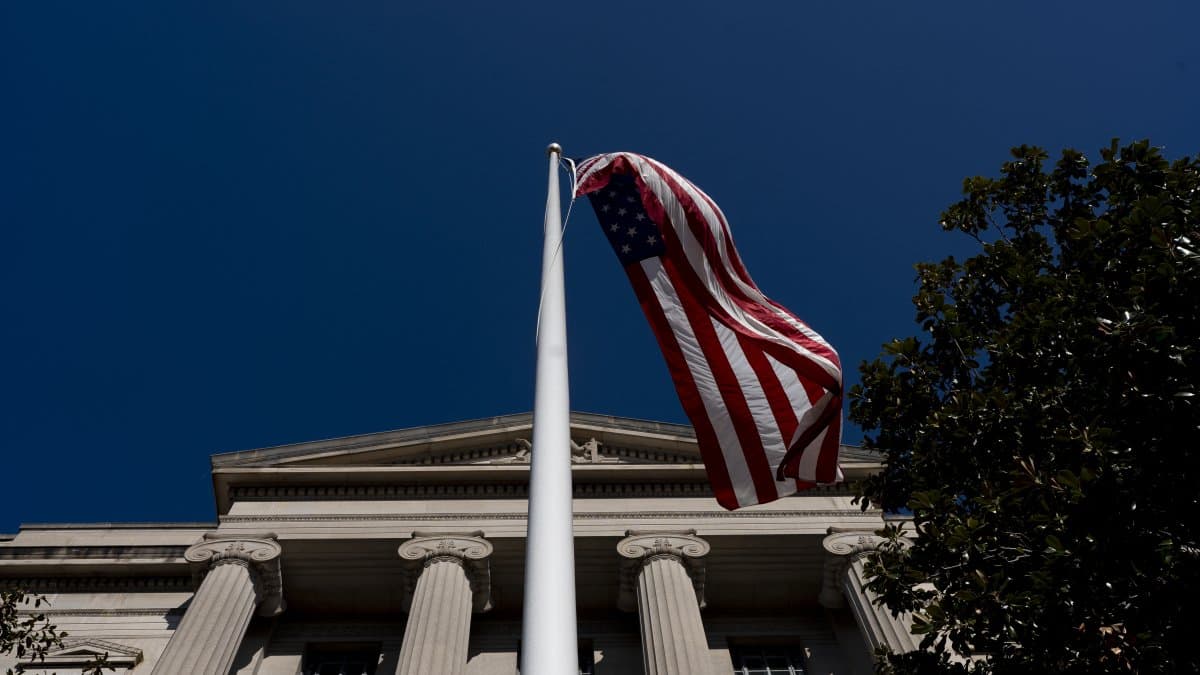
The proclamation also officially designates the second Monday in October - the 13th of this year - as Columbus Day, honoring the explorer as "the original American hero" and symbol of Western civilization. Also, the document urges Americans to celebrate the day with ceremonies and activities, and mandates that the U.S. flag be displayed on all public buildings.
The historic voyage and Hispanic legacy
Born in Genoa, Italy, in 1451, Columbus became a leader of the Age of Exploration. After years of preparation and requests for support, he secured funding from the Spanish Crown to undertake a daring expedition that many considered impossible. Guided by a noble mission—to discover a new trade route to Asia, glorify Spain, and spread the Gospel—Columbus set sail on August 3, 1492, with three small ships: the Niña, the Pinta, and the Santa María, as recalled in the White House proclamation.
On October 12, 1492, Columbus landed in what is now the Bahamas, erected a cross, and took possession of the lands in the name of Spain, following the legal tradition of the time, which was recorded in the letters and navigation logs addressed to the Crown. His voyage marked the beginning of the Hispanic presence on the American continent, which left a profound mark through the Spanish language, cultural heritage, Hispanic law, and the Christian faith that are still an essential part of America's identity today.
A campaign to erase history
Columbus Day has been a federal celebration since 1937, but in recent years many Democratic-controlled states and cities have switched to celebrating Indigenous Peoples Day instead.
Trump's proclamation contrasts with President Joe Biden's approach for 2021, which recognized both Columbus Day and Indigenous Peoples Day.
"Outrageously, in recent years, Christopher Columbus has been a prime target of a vicious and merciless campaign to erase our history, slander our heroes, and attack our heritage. Before our very eyes, left-wing radicals toppled his statues, vandalized his monuments, tarnished his character, and sought to exile him from our public spaces. Under my leadership, those days are finally over — and our Nation will now abide by a simple truth: Christopher Columbus was a true American hero, and every citizen is eternally indebted to his relentless determination," reads the document signed by the Republican leader.
Recognition of the Italian-American community and Spanish heritage
In addition to honoring Columbus, the proclamation recognizes the contribution of Italian-Americans to the development of the United States and highlights the shared cultural heritage that unites America and Europe. The document also underscores Spain's role in the history of the continent, recalling that Columbus' expedition gave rise to more than three centuries of Hispanic presence in America, whose influence remains alive in much of the United States, especially in Florida, Texas, California, New Mexico, and Puerto Rico.
“To this day, the United States and Italy share a special bond rooted in the timeless values of faith, family, and freedom,” the document states, in which the White House reiterates its intention to strengthen this historic friendship.
A call to honor cultural heritage
🛠 Do you think there is an error in this article?
Recommendations


LATEST