






Musk is holding back on creating his own political party so as not to damage his ties with Republicans
According to the Wall Street Journal, the tycoon wants to safeguard his relationship with Vice President JD Vance, who could be the GOP nominee for 2028.
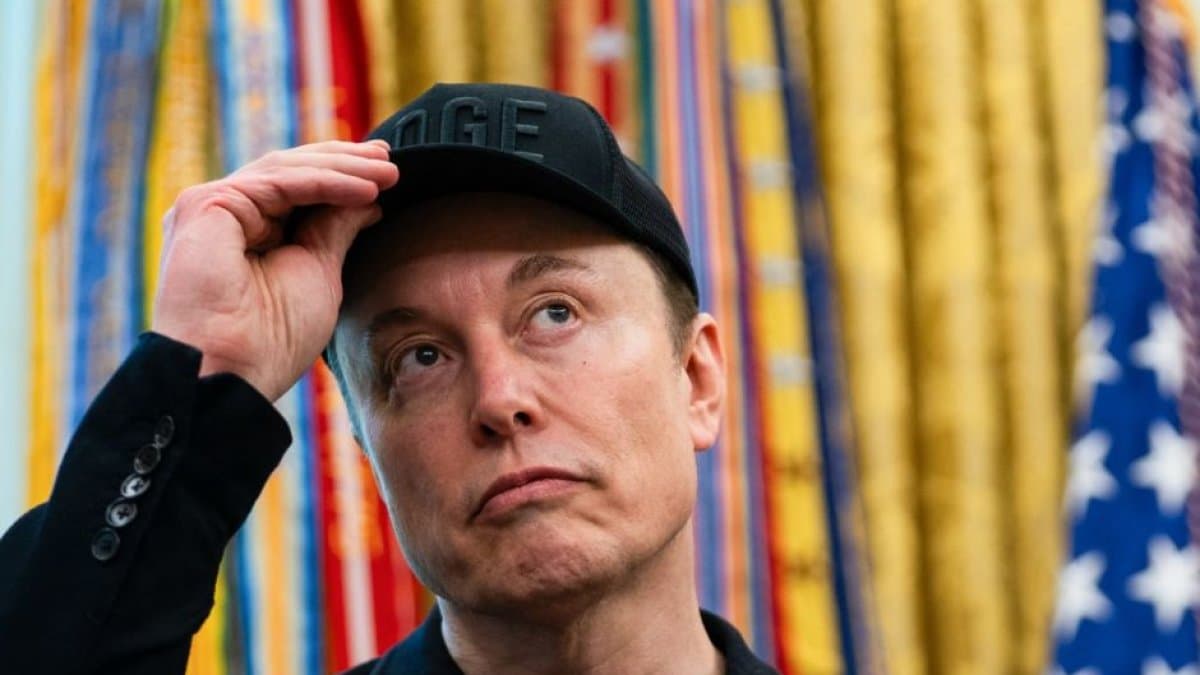

Tycoon Elon Musk is quietly slowing down his plans to launch a new political party. As revealed by The Wall Street Journal, the Tesla and SpaceX owner has told those close to him that, for now, he will not go ahead with the idea of founding the so-called "America Party," as he fears that this movement will continue to affect his business activities directly and, in addition, damage his ties with Republicans.
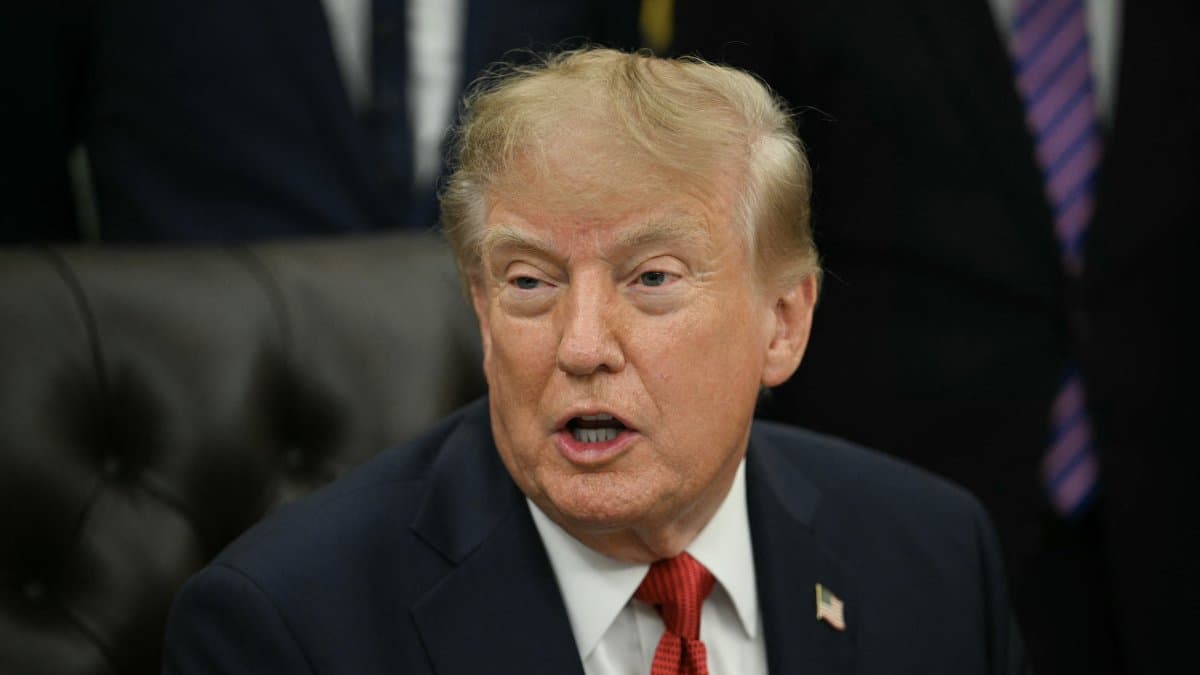
According to the WSJ's exclusive report, Musk is particularly interested in safeguarding his relationship with Vice President JD Vance, who is seen as the potential political heir to the MAGA movement pushed by President Donald Trump and the next GOP nominee for the 2028 general election.
Sources close to him told the WSJ that Musk has been in constant contact with Vance in recent weeks, despite publicly feuding with Trump. Moreover, he has acknowledged that a third party could directly weaken the Republican Party in the upcoming midterms, creating a complete break with his conservative allies.
The 180-degree turn is particularly striking, given Musk's public assurances in July that he would organize a new party to compete in the 2026 elections. The tycoon has yet to comment on the newspaper article.
Politics
Despite his public feud with Trump, Musk donated millions to Republican super PACs ahead of the midterms
Emmanuel Alejandro Rondón
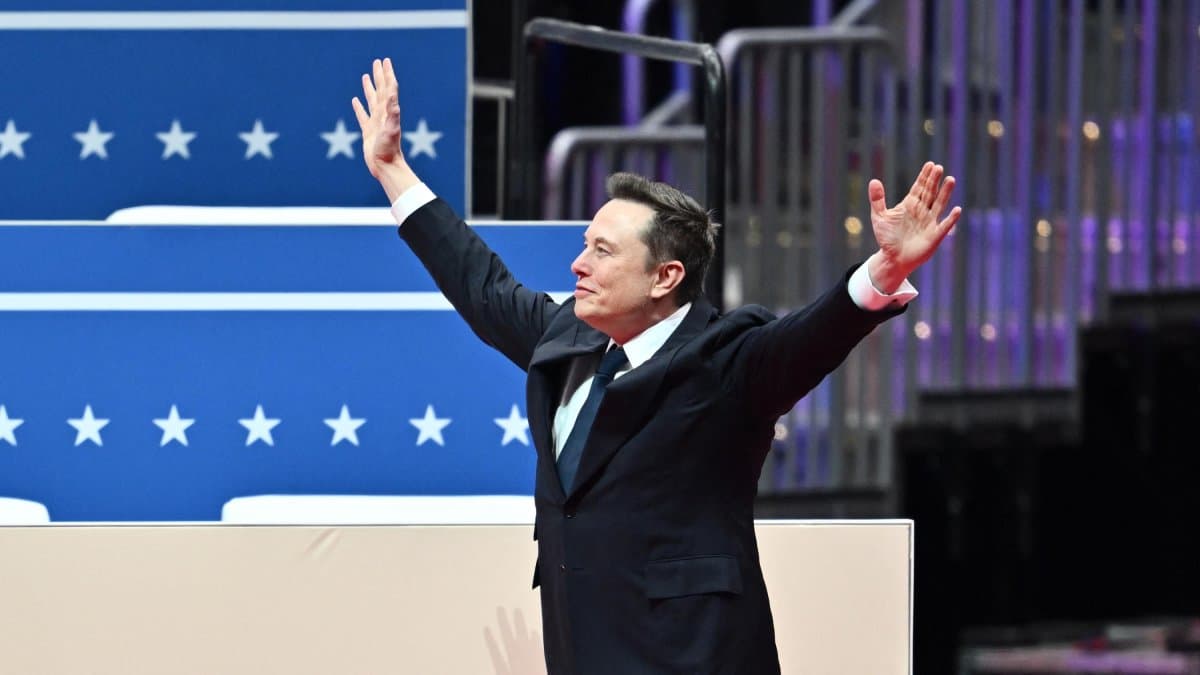
When he announced his plan to create a third party, Musk criticized both Democrats and Republicans and promised to give a voice to the disgruntled independent voter sector. At the time, various personalities, such as former presidential candidate Andrew Yang and businessman Mark Cuban, expressed their support for the tycoon.
However, the WSJ report indicates that Musk, so far, has not established solid contact with groups specializing in third-party campaigns, nor has he deployed his resources to register a new political organization formally. In fact, quite to the contrary, the tycoon is reported to have canceled key meetings and insisted that he needs to concentrate on running his companies to recover from internal criticism of his leadership.
Despite his circumstantial retreat from the public eye in recent weeks, Musk remains a major political player in the US. In the 2024 election, through his America PAC political action committee, he poured nearly $300 million into backing and boosting Trump and Republican candidates in key states like Pennsylvania.
Now, according to those close to him, he is also studying the possibility of using part of his fortune to back Vice President Vance in an eventual presidential bid in 2028.
In any case, if Musk ultimately stands by his decision not to move forward immediately with the "America Party," Republicans would win a vital tactical victory heading into the upcoming midterms where not only the majority in Congress is in dispute, but also the genuine implementation of President Trump's agenda in his last two years in office.
🛠 Do you think there is an error in this article?
Recommendations
LATEST