U.S. prepares to install nuclear reactor on the moon to slow China's advance
NASA plans to award contracts to at least two companies in the next six months.


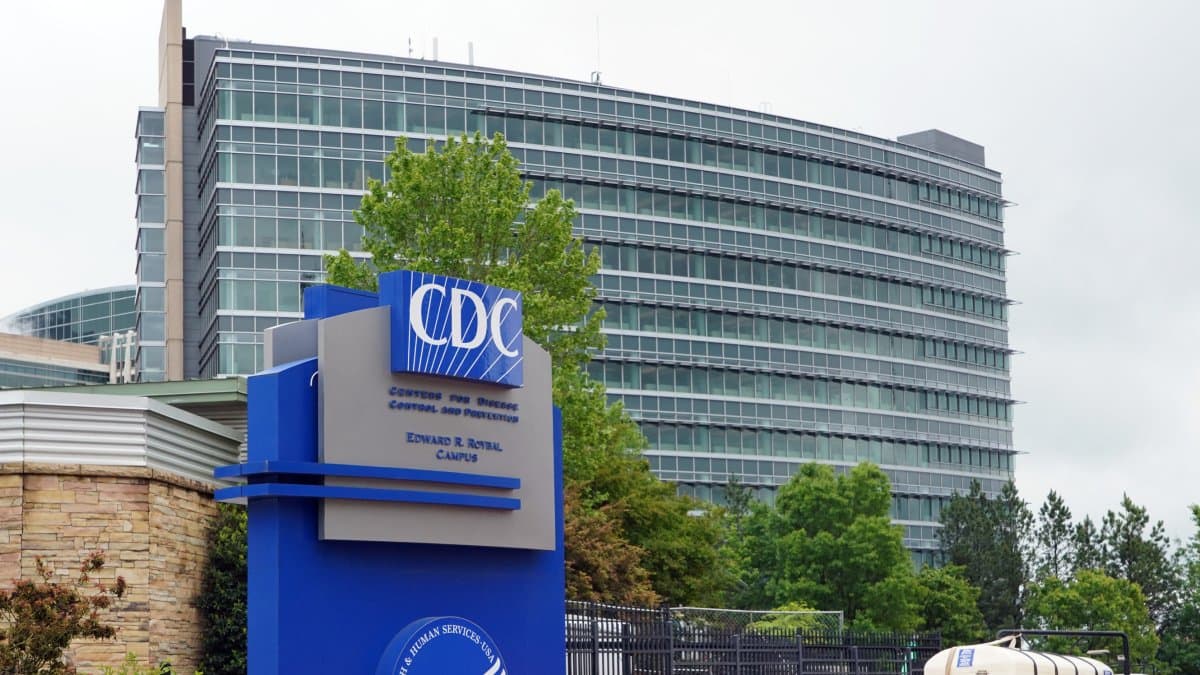
Transportation Secretary Sean Duffy, in his first major move as acting NASA Administrator, will announce this week a plan to accelerate construction of a nuclear reactor on the surface of the Moon, a move that represents a strategic shift amid tight budget constraints and an increasingly competitive space race.
The decision by Duffy, appointed by President Donald Trump following the withdrawal of the nomination of businessman Jared Isaacman, seeks to set a firm timetable for a project that has been debated for years within the agency. Internal documents accessed by POLITICO reveal that proposals will be solicited from industry to develop a 100-kilowatt reactor with launch scheduled for 2030, the year in which the first Chinese astronaut is also projected to land on the Moon.
A direct response to the Sino-Russian advance
The Trump Administration considers it a priority to prevent China or Russia from taking the lead in the use of nuclear energy in space. According to the directive, if another country succeeds in installing a reactor on the Moon first, it could establish an "exclusion zone" around its operations, which would severely limit the ability of the United States to operate in key areas of the satellite.
In response, NASA has a 60-day deadline to appoint a project manager, consult with private industry, and move forward in selecting companies that can develop and launch the reactor before 2030. This date is strategic, as it coincides with China's stated goal of sending its first astronaut to the Moon.

Politics
Trump nominates Sean Duffy as interim NASA chief after rejecting candidate linked to Elon Musk
Emmanuel Alejandro Rondón
Beyond the reactor: a replacement for the International Space Station
NASA plans to award contracts to at least two companies in the next six months. Potential candidates include Axiom Space, Vast and Blue Origin, which have already shown interest in participating in the development of commercial space stations. However, lawmakers have expressed concerns about the lack of sufficient funding for these plans.
🛠 Do you think there is an error in this article?
Recommendations








LATEST