Federal judge upholds block on Trump's birthright citizenship order
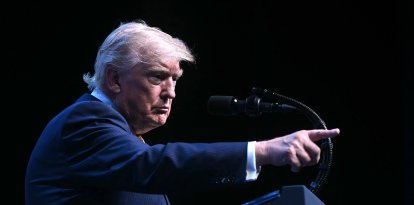
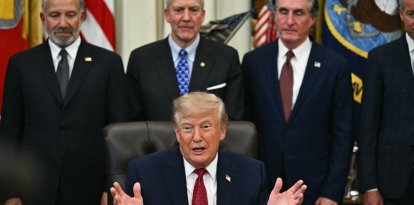
Trump signed the executive order on the first day of his return to the White House, January 20, in an action intended to begin to materialize his offensive against immigration, which was one of his biggest promises during his presidential campaign.

Donald Trump
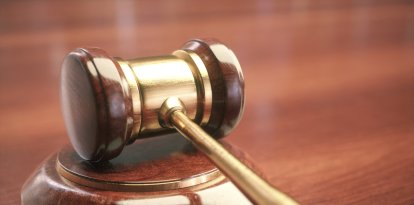
U.S. District Judge Leo Sorokin in Massachusetts ruled Friday that the nationwide injunction he had issued in February and formally blocked the president's executive order Donald Trump to limit birthright citizenship should remain in effect. In a written ruling, the judge explained that his previous nationwide injunction represented the only way to provide complete relief to a group of Democratic states that had brought the lawsuit before him, in which they rejected the Trump administration's argument that a more limited measure was warranted in the face of a U.S. Supreme Court decision issued last month.
In his ruling, Sorokin wrote that the evidence presented "does not support a finding that any narrower option would feasibly and adequately protect the plaintiffs from the injuries they have shown they are likely to suffer if the unlawful policy announced in the Executive Order takes effect during the pendency of this lawsuit." In response, White House spokeswoman Abigail Jackson detailed in a statement sent to CBS that "courts are misinterpreting the purpose and the text" of the 14th Amendment to the Constitution, adding that "We look forward to being vindicated on appeal."
Society
California appeals court declares Trump's attempt to eliminate birthright citizenship unconstitutional
Emmanuel Alejandro Rondón
A measure immediately challenged
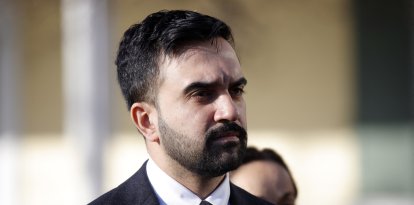
On the other hand, New Jersey's Democratic attorney general, Matthew Platkin, celebrated the judge's decision in a statement in which he assured that anyone born in the country can be considered an American, by arguing that this has been the case throughout U.S. history. "American-born babies are American, just as they have been at every other time in our nation’s history. The president cannot change that legal rule with the stroke of a pen," Platkin wrote.
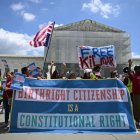
Trump signed the executive order on the first day of his return to the White House, Jan. 20, in a move intended to begin to materialize his offensive against immigration, which was one of his biggest promises during his presidential campaign. The order instructed federal agencies not to recognize the citizenship of those children who, although born in the country, did not have at least one of their parents as a legal permanent resident or U.S. citizen. That measure was immediately challenged in court by both Democratic attorneys general and several immigrant rights advocates.
The Supreme Court ruling
LATEST