Federal judge blocks Trump's order suspending treatments for transgender inmates and orders prisons to continue hormone therapy
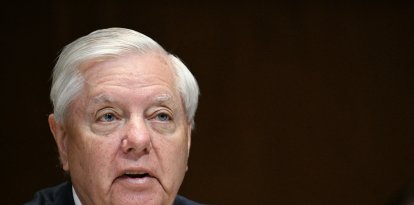
The decision, issued by U.S. District Judge Royce Lamberth, represents a setback for the Trump administration's efforts to limit federal funding to hormone therapy for transgender inmates.

Queer Liberation March (File)

On Tuesday, a federal judge ordered that U.S. federal prisons continue to provide hormone therapy and social accommodations to transgender inmates, blocking an executive order by President Donald Trump that sought to suspend these treatments.
The decision, issued by District Judge Royce Lamberth, a Ronald Reagan appointee, represents a setback for the Trump administration's efforts to limit federal funding to hormone therapy for transgender inmates.

Society
Federal judge blocks Trump's order to transfer trans 'women' to men's prisons
Emmanuel Alejandro Rondón
Lamberth ruled that the Federal Bureau of Prisons (BOP) cannot arbitrarily suspend medications or accommodations deemed medically necessary by its staff, especially without assessing the potentially harmful effects of such policies.
“All parties seem to agree that the named plaintiffs do, in fact, need hormone therapy,” Lamberth wrote in his 36-page ruling, noting that the BOP violated federal procedures by implementing Trump's order without adequate analysis.
Trump's order, issued after his January inauguration, instructed the BOP to review its policies to ensure that no federal funds would go toward treatments that alter an “inmate’s appearance to that of the opposite sex.”
However, Lamberth certified that the ruling applies to all federal inmates with gender dysphoria receiving hormone therapy, a group of approximately 1,000 people, of whom more than 600 were still receiving their medications despite the directive.

Society
Medical procedures on transgender inmates cost Washington state $500,000 over four years
Santiago Ospital
The beginning of the case
The case was initiated by three transgender inmates: Alishea Kingdom, Solo Nichols and Jas Kapule, who had received hormone therapy and access to items such as underwear consistent with their gender identity.
Kingdom faced suspension of his treatment in February, causing anxiety, panic attacks and suicidal thoughts, while Nichols had his testosterone dosage temporarily reduced. Both regained their treatments after filing the lawsuit. Kapule, meanwhile, maintained his therapy without interruption.
Lamberth argued that the inmates would suffer "irreparable harm" without judicial intervention, stressing that the BOP failed to justify the suspension of essential treatments adequately.
For its part, the Department of Justice (DOJ) argued that the BOP could provide hormone therapy to treat conditions such as anxiety or depression associated with gender dysphoria, but the judge dismissed this interpretation as inconsistent with the executive order.
The decision ensures that transgender inmates will continue to receive medical care and social accommodations.
Trump's executive order
LATEST