House approves extension of Foreign Intelligence Surveillance Act
In the final vote, 42 Democrats joined conservatives in supporting the measure, while 22 Republican members broke ranks to oppose it.
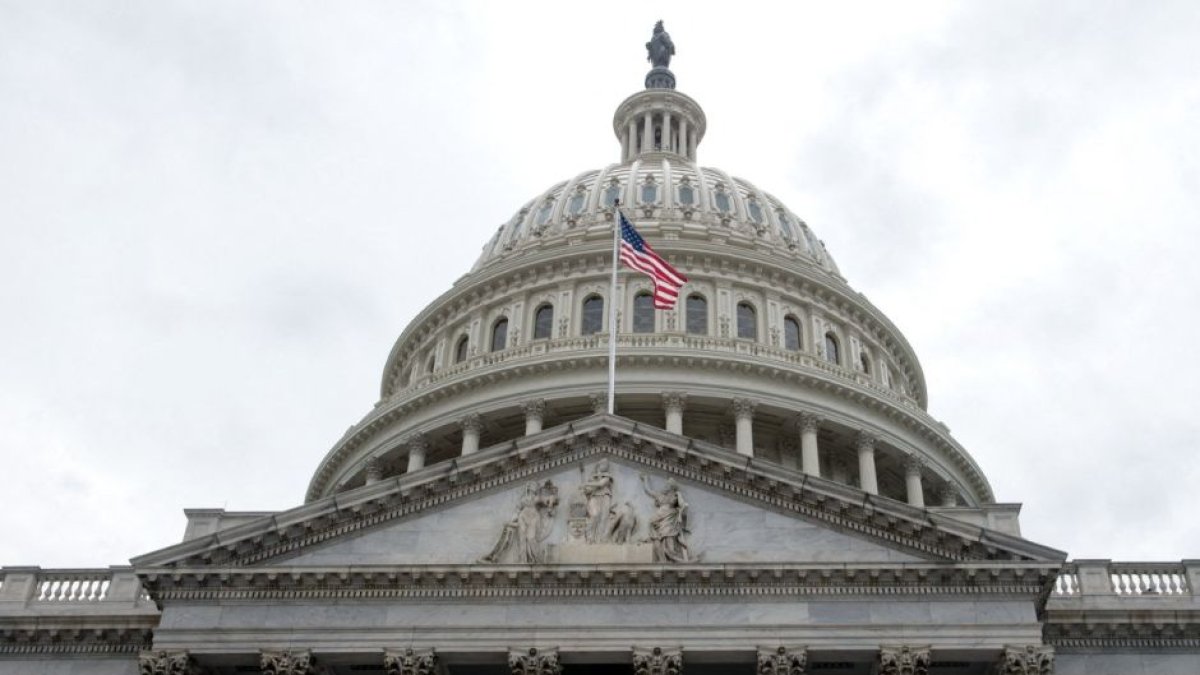
The United States Capitol in Washington, DC.
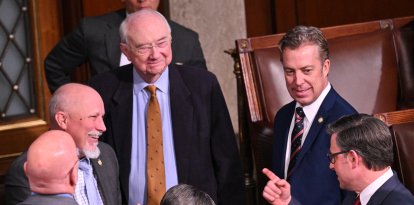
The House of Representatives on Wednesday approved a three-year extension of the Foreign Intelligence Surveillance Act (FISA) by passing the measure by a vote of 235 to 191, which came after weeks of internal negotiations led by the Republican speaker of the House, Mike Johnson, who faced resistance from some members of Congress in his own party who expressed concerns about privacy protections. In the final vote, 42 Democrats joined conservatives in supporting the measure, while 22 Republican members broke ranks to oppose it. The legislation now moves to the Senate, where its future remains uncertain as lawmakers scramble ahead of a Thursday night deadline.

Just The News
Congress urged to defund abortion in wake of Planned Parenthood $90M COVID loan revelation
Just The News | By Tate Miller | The Center Square contributor
In order to shield majority support from the Republican faction, Johnson included a measure banning the future creation of a Central Bank Digital Currency (CBDC), which is a government-backed digital dollar that some lawmakers fear could enable financial surveillance. Despite this, Senate Republican Majority Leader John Thune indicated that eit is unlikely that the measure will survive in the upper chamber, as senators could either kill it and send the legislation back to the lower chamber or opt for a temporary extension to allow negotiations on surveillance reform to continue.
Section 702: the security/privacy clash
The most controversial point of the FISA law has been its Section 702, which allows U.S. intelligence agencies to collect communications from foreign individuals located outside the country. However, given that some of those targets interact with Americans, emails, calls and messages involving U.S. citizens may also end up in the database accessible to federal authorities.
For years,Democratic and Republican lawmakers have been pushing for greater safeguards, including requiring a court order before officials can search for data on Americans within that system. Supporters of such reform have argued that it would better align the program with Fourth Amendment protections. While that proposal was not included in the final bill, lawmakers agreed to more limited changes, such as an updated measure requiring federal agents to obtain approval from attorneys before conducting specific searches related to Americans, as well as written justifications for each query to the Office of the Director of National Intelligence and establishing potential criminal penalties of up to five years in prison for misuse.
LATEST