







Home remedies vs. Medicine: When should I go to the doctor?
The use of antibiotics without prescription or without medical supervision is a latent risk to public health.
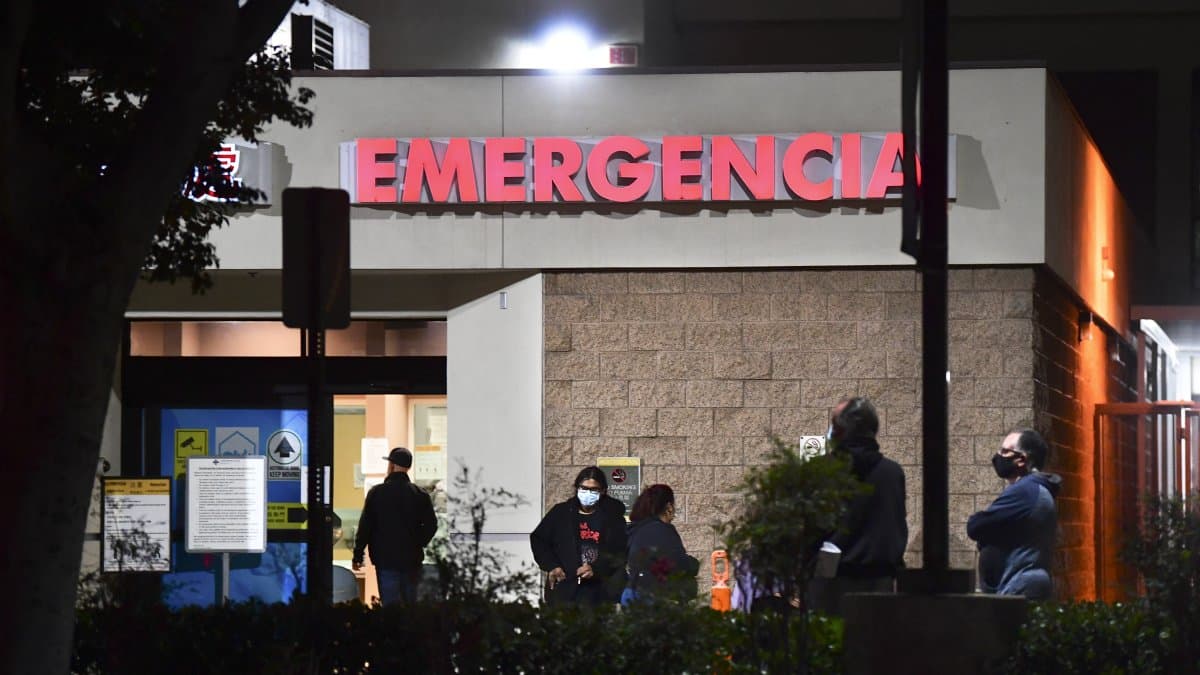

Although home remedies, such as ginger tea or compresses, are excellent allies for relieving mild symptoms, they are not always the ultimate solution. It is essential to understand that these methods do not cure bacterial infections or replace professional medical attention. Knowing how to distinguish between a passing discomfort and a warning sign can make a critical difference in your health and well-being.
The dangers of self-medication and over-the-counter antibiotics
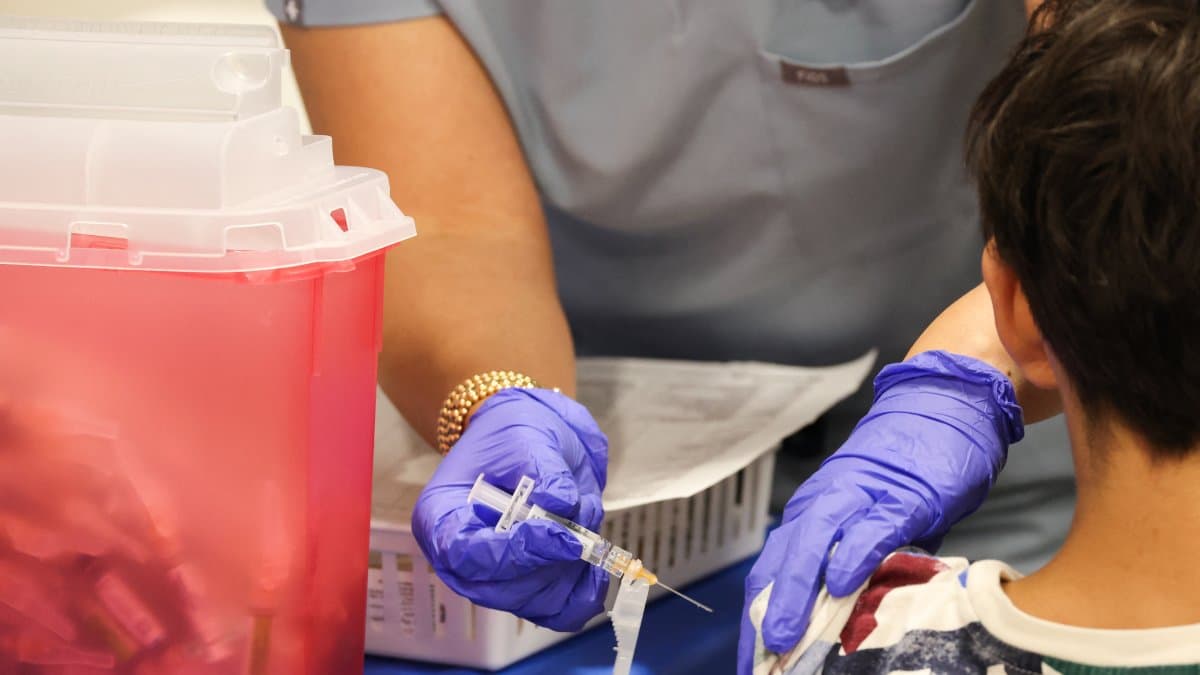
The use of antibiotics without a prescription or without medical supervision is a latent risk to public health. Even if one is seeking a quick fix, the following should be considered:
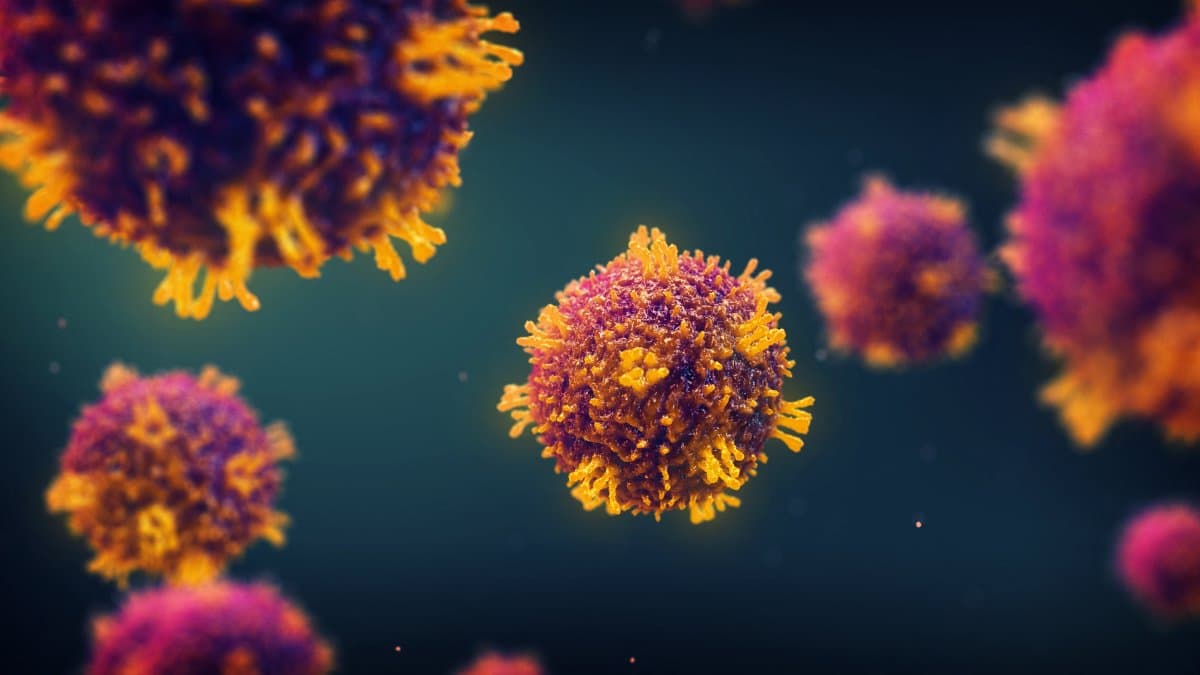
- Viral vs. Bacterial infections: Antibiotics ONLY fight bacteria. They have no effect on viruses such as the common cold or most strains of the flu.
- Bacterial resistance: Improper use allows bacteria to evolve, making the drugs less effective when you really need them in the future.
- Side effects: Without supervision, you expose yourself to severe allergic reactions, liver toxicity, or severe imbalances in the intestinal flora.
Health note: A natural remedy may improve your comfort, but if there is a suspicion of infection, only a health care professional can prescribe the appropriate treatment.
Warning signs: When to stop using natural remedies?
There are signals that the body sends that should not be treated with self-medication. If you present these symptoms, it is time to seek clinical evaluation:
Chest pain and chest pressure
Persistent chest pain may be mistaken for heartburn or stress, but it is also the primary symptom of a cardiac problem. When in doubt, immediate emergency evaluation is vital.
Persistent high fever
If fever exceeds 101.3 F (38.5 C) or does not abate after rest and hydration, it could indicate a serious or systemic infection requiring medical diagnosis.
Acute abdominal pain
Severe pain in the abdomen, especially if accompanied by nausea, vomiting, or rigidity, may signal urgent conditions such as appendicitis or intestinal obstruction.
Important: If you experience confusion, shortness of breath (dyspnea) or extreme weakness, do not wait. Go to the nearest medical center.
The myth of "empacho" and the importance of medical diagnosis
In many cultures, the term "empacho" describes various digestive ailments treated with infusions or massages. While these traditions have cultural and comfort value, it is crucial not to ignore the underlying pathology:
- Confusion of symptoms: What seems like a simple "empacho" could actually be gastroenteritis, gallstones or even the onset of an abdominal infection.
- Differential diagnosis: Modern medicine uses precise tools to distinguish mild discomfort from a condition requiring surgery or specific drugs.
Enjoy your traditional remedies for minor discomfort, but if the pain persists, consult your primary care physician.

Health
Latino men's health: Why they don't go to the doctor and how to change this reality
Diane Hernández
Differences between Urgent Care and Emergency Room (ER)
Urgent Care
Is the ideal choice for conditions that are not life-threatening but require care in less than 24 hours:
Urinary tract infections (UTIs)Sprains, strains or minor cutsFlu-like symptoms without respiratory distress
Emergency Room (Emergency Room)
You should go immediately if you present with:
Signs of heart attack or strokeSevere shortness of breathSudden loss of consciousness or disorientationUncontrollable bleeding or exposed fractures
Quick guide: Where to go right now?
If you have questions about your health, use this quick ranking to decide your next step.
Situation Where to go? Key examples
LIFE RISK Emergency (E.R.) Chest pain, shortness of breath, fainting, sudden confusion, severe bleeding.
URGENCY (Today) Urgent Care High fever, cuts requiring stitches, suspected fracture, urinary tract infection, persistent vomiting.
Mild Symptom Home / Medical Cold, mild cough, sore throat, mild stomach upset, seasonal allergies.
Don't let self-medication hide serious illness
The key to good health is balance. Home remedies are useful for general wellness and minor symptoms, but evidence-based medicine is the only way to treat critical conditions. Don't let self-medication mask serious illness. When faced with warning signs such as chest pain or high fever, professional treatment is your best guarantee.
🛠 Do you think there is an error in this article?
Recommendations





LATEST