Meningitis: The disease that has authorities on alert after two deaths and eleven infected in outbreak in United Kingdom
"This situation is evolving rapidly and more cases could appear; therefore, those who present symptoms are advised to seek medical attention," the British government said in a statement.

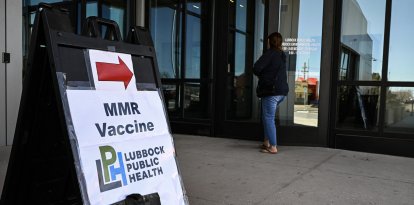
Meningitis vaccination

Authorities in the United Kingdom confirmed that two young people died amid an outbreak of meningitis in southern England. A further 11 cases have also been confirmed.
"This is a rapidly evolving situation and there may be further cases as those with symptoms are encouraged to seek medical advice," the British government detailed in a release.
In this regard, the authorities detailed that given the seriousness of the situation, in the coming days a small program of targeted vaccination will be launched aimed at students living in the Canterbury campus of the University of Kent.

Similarly, it was learned that some of the infected individuals visited the Chemistry Club in Canterbury between March 5 and 7 before becoming ill. The UKHSA's health protection team is working closely with the nightclub and its partners, including the University of Kent, to limit the spread. Students in need of antibiotics have been offered them through the university.
"The UKHSA is advising anyone who visited Club Chemistry on 5 March, 6 March or 7 March to come forward for preventative antibiotic treatment as a precautionary measure."
"Early symptoms are often mistaken for those of other illnesses such as a cold"
"Early symptoms can often be confused with other illnesses such as a cold, flu or hangover and students are particularly at risk of missing the early warning signs. If you or anyone you know develops any of these symptoms, seek medical help immediately by contacting a GP, calling NHS 111 or dialing 999 in an emergency. Knowing the signs and taking early treatment can be lifesaving," detailed the government.
LATEST