






The United States is the leading recipient of Chinese loans
A database shows that Beijing redirected its international credit to critical infrastructure and technology in high-income countries.
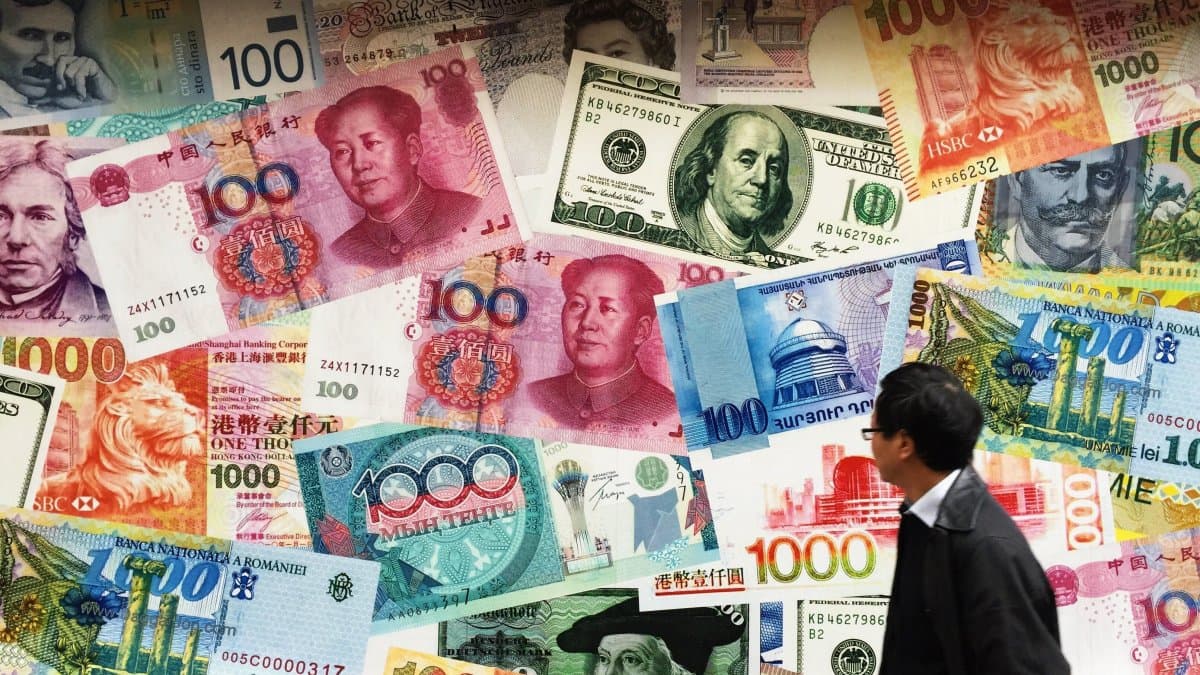

The United States is the world's largest recipient of Chinese loans. In total value, China has lent the U.S. more than $200 billion across 2,500 projects throughout the country over the past two decades.
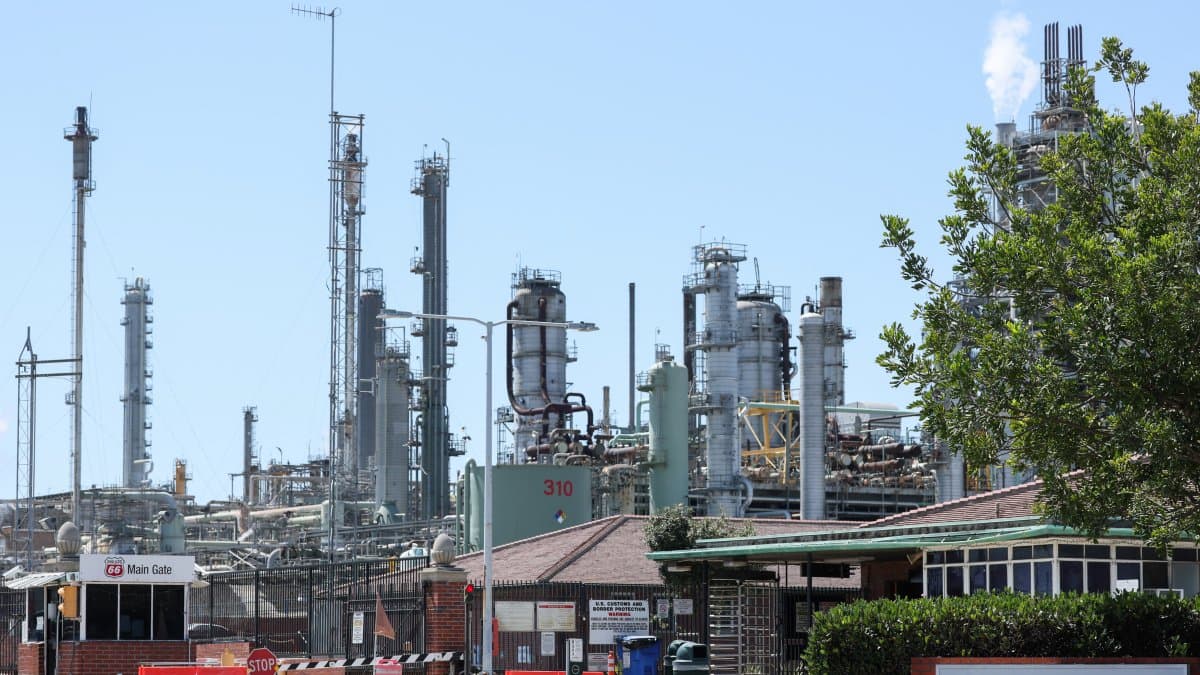
These investments range from LNG projects in Texas to data centers in Virginia to the purchase of a robotics company in Michigan to work on a New York terminal (at John F. Kennedy International Airport, no less).
Those are among the 33,580 projects included in a new database from AidData, a research group at the University of William & Mary, on China's international investments and lending. "It is the most comprehensive dataset of its kind, anywhere," its creators assure.
The unprecedented multibillion-dollar amount of Chinese funds is part of a broader shift noted by the researchers: the Asian country redirected its international investments from the third world to the first world.
America first... says China
Washington, Congress, Democrats and Republicans, the whole political arc has been warning for years about Chinese loans, investments and scholarships in both U.S. and allied territory. However, the authors of "Chasing China" point out:
"Our data demonstrate that the U.S.—a high-income country—is the single largest recipient of official sector credit from China. This finding is both unexpected and counterintuitive."
There has been a total of $201.83 billion between 2000 and 2023, which includes funds for the Dakota Access pipeline, known for the lawsuit filed by Greenpeace USA, the Champlain Hudson Power Express, a submarine cable that will connect Quebec to Queens, and more.
But Chinese state-owned entities did not only fund infrastructure megaprojects. Amazon, Verizon, Disney, AT&T and Ford are some of the Fortune 500 companies that received liquidity support from Chinese state-owned creditors. They also contributed to the acquisition of technology companies such as Integrated Silicon Solution and Complete Genomics.
"While some of these lending operations in the U.S. have supported the construction of critical infrastructure or enabled Chinese companies to acquire critical technologies from American companies, many are guided by the pursuit of profit rather than the pursuit of geopolitical or geoeconomic advantage," the authors assert.
China looks to the first world
With the United States as the leading destination, Chinese money is increasingly ending up in the first world. "We are witnessing a fundamental reorientation," asserts Brooke Escobar, co-author of the report. China no longer claims to be pursuing philanthropic ends, such as promoting economic development in Africa, but economic competition and its own national security.
Indeed, low- and lower-middle-income countries went from representing 88% of its lending portfolio in 2000 to just 24% in 2023.
"Beijing is not seeking to burnish its reputation as a global do-gooder: the percentage of its overseas lending and grant-giving portfolio that qualifies as aid (ODA) has plummeted," Escobar argues.
Instead, "It is focused on cementing its position as the international creditor of first—and last—resort that no one can afford to alienate or antagonize."
According to AidData, more than three out of every four Chinese international loans now go to upper-middle-income and high-income countries. And not to just any industry:
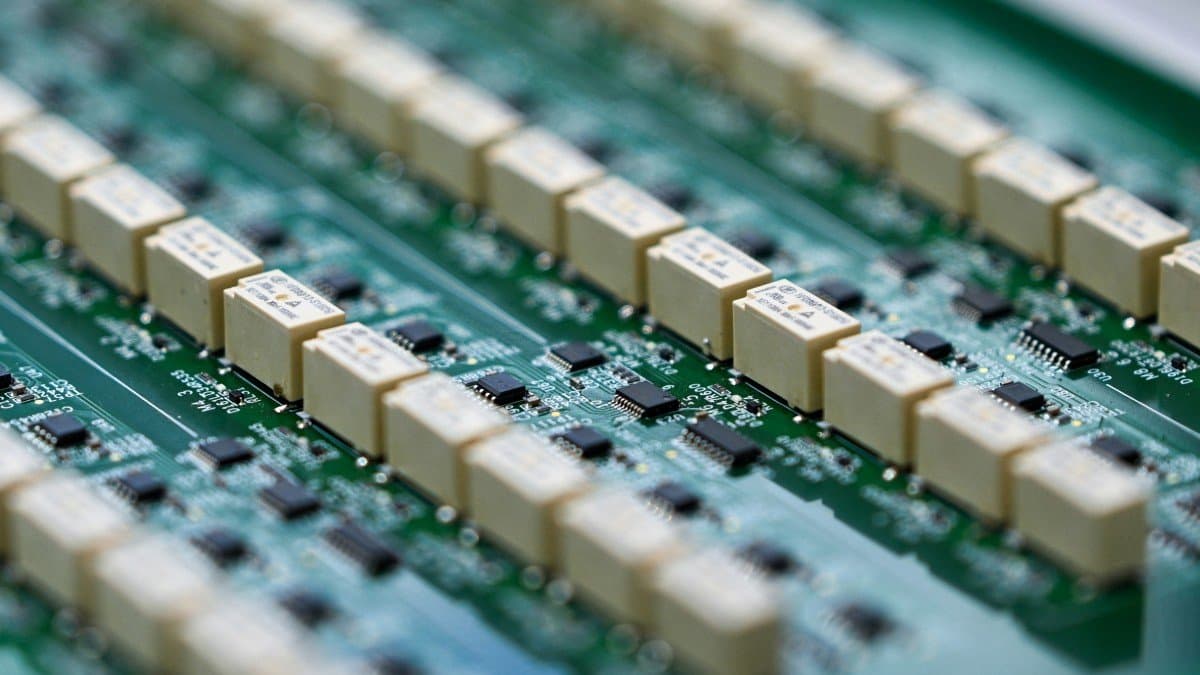
"Much of the lending to wealthy countries is focused on critical infrastructure, critical minerals, and the acquisition of high-tech assets, like semiconductor companies," said Brad Parks, AidData's executive director.
In that regard, other big favorites were:
- U.K.: $60 billion
- Germany: $33.4 billion
- France: $21.3 billion
- Italy: $17.4 billion
- Portugal: $11.7 billion
- Netherlands: $11.6 billion
China, leading global creditor
"The overall size of China’s portfolio is two-to-four times larger than previously published estimates suggest," Parks asserts.
The data also shows that it remains the top state creditor. In 2023, it granted a total of $140 billion to public and private entities around the world.
That same year, it spent more than twice as much as the United States, while the World Bank was outspent by almost $50 billion.
Access the full report
🛠 Do you think there is an error in this article?
Recommendations




LATEST