






Supreme Court begins debating Trump's legal authority to impose tariffs
Some justices - considered conservative - on the high court have already begun to show a critical stance against the use of emergency powers to slap tariffs on foreign imports.
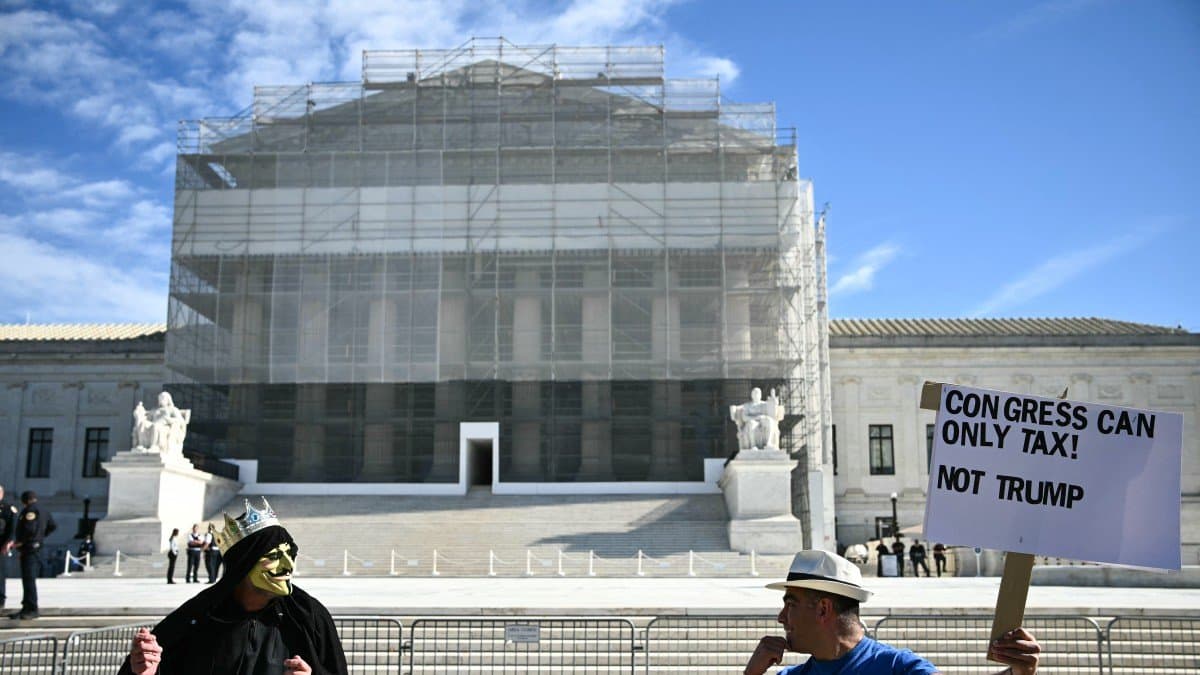

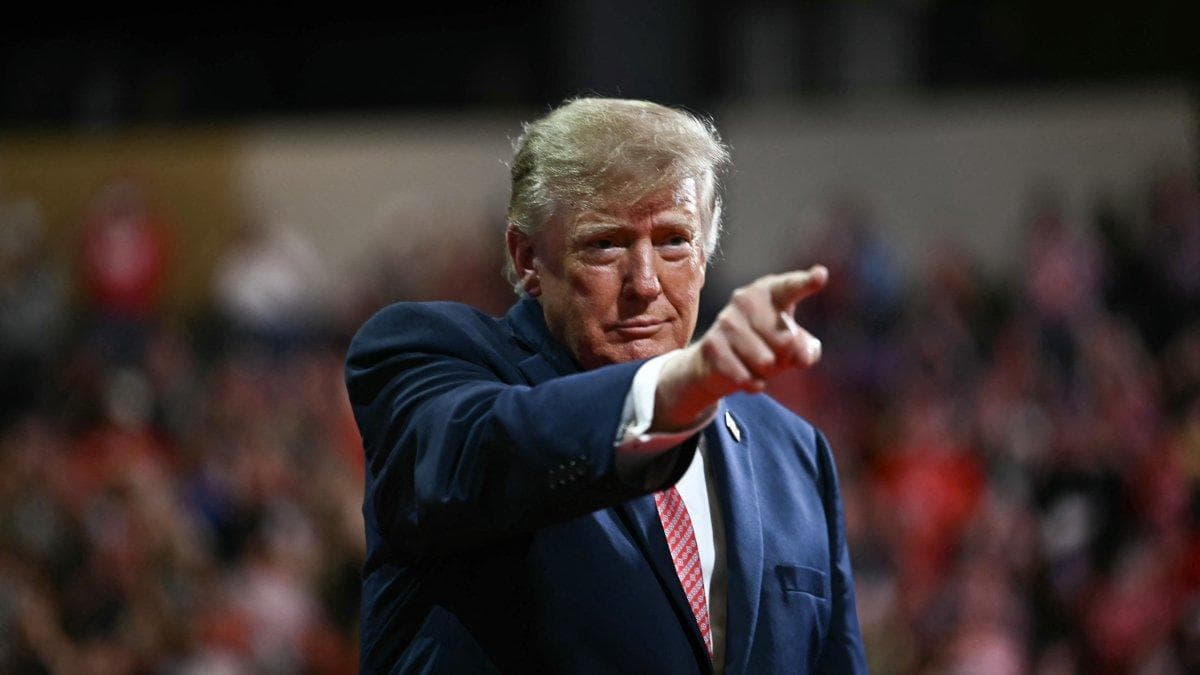
The Supreme Court began hearings Wednesday on the legality of tariffs imposed by President Donald Trump under the International Emergency Economic Powers Act (IEEPA), an instrument dating back to 1977 which gives broad powers to the Executive in foreign trade matters.
During the session, several justices - including some from the bloc considered close to conservatism - expressed concern at what they see as an expansion of presidential power to the detriment of Congress.
"Congress, as a practical matter, can’t get this power back once it’s handed it over to the president," Judge Neil Gorsuch, nominated by President Donald Trump in 2017, told Attorney General John Sauer. "It’s a one-way ratchet toward the gradual but continual accretion of power in the executive branch and away from the people’s elected representatives."
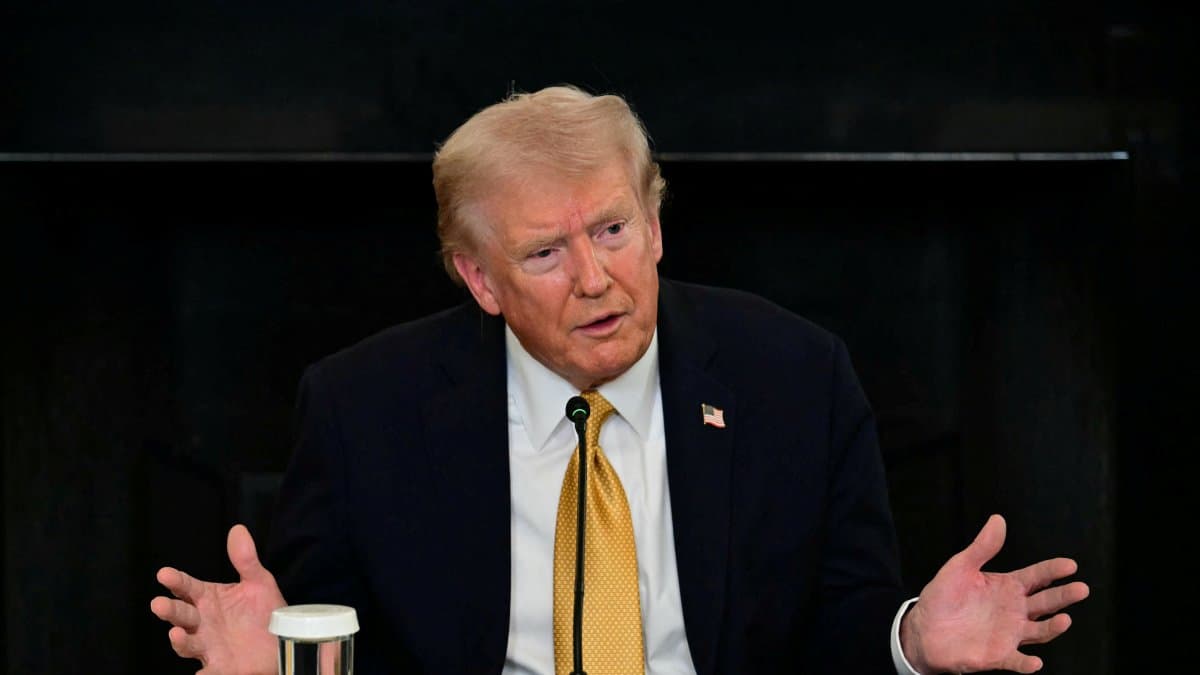
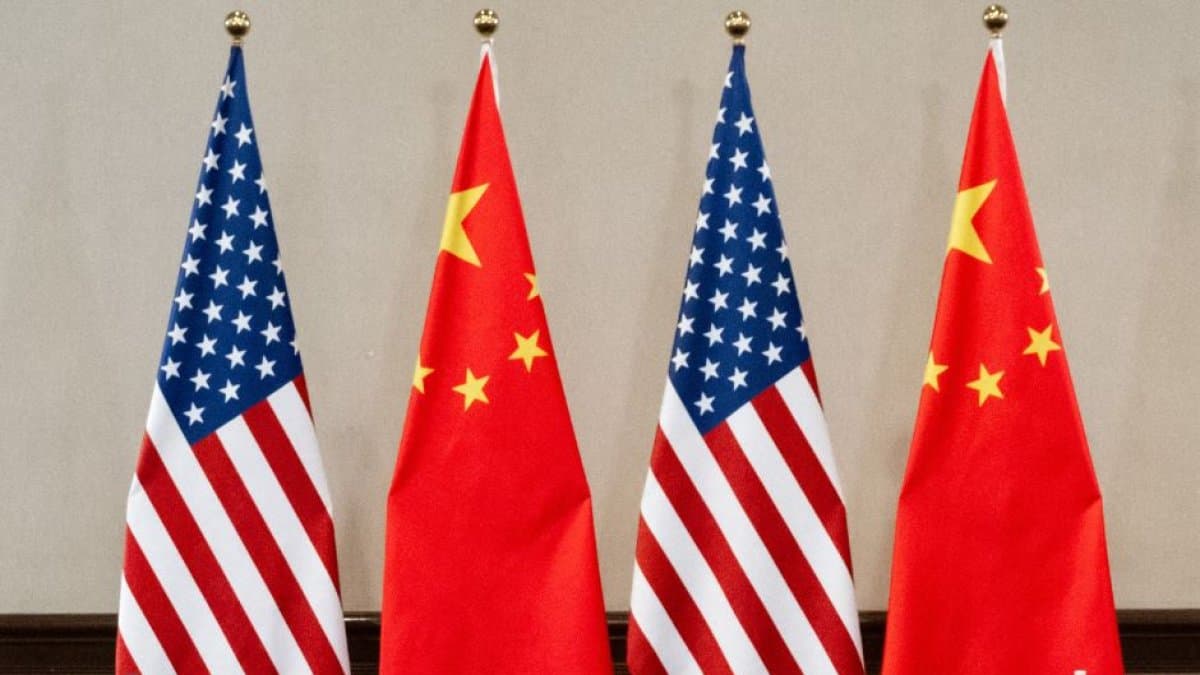
The lawsuit against the Trump Administration challenges the president's use of IEEPA to impose general levies on dozens of countries around the globe, including a 10% base tariff and an additional 10% surcharge on China, by holding it responsible for shipping fentanyl to the United States.
According to official data, these tariffs have raised about $90 billion since their implementation.
The federal government argues that the law authorizes the president to "regulate the importation" of goods and, therefore, to set tariffs virtually at his discretion. "The phrase ‘regulate importation’ [in the law] plainly embraces tariffs, which are among the most traditional indirect methods of regulating importation," Sauer argued before the justices, who were quick to show their skepticism with strong questioning.
Justice Sonia Sotomayor, appointed by Barack Obama, recalled that "Congress has always used ‘regulate’ and ‘tax’ together in the code," while Ketanji Brown Jackson, a Biden appointee, noted that IEEPA "was designed and intended to limit presidential authority" after abuses recorded under the old Trade with the Enemy Act of 1917.
Chief Justice John Roberts also took the floor and warned of the magnitude of the power at stake. "The vehicle is imposition of taxes on Americans, and that has always been a core power of Congress," he said, suggesting that the delegation of such powers could contradict the so-called major questions doctrine, which requires legislative approval for measures of major economic or political impact.
However, Justices Samuel Alito and Clarence Thomas appeared to be closer to the Trump administration's position.
“Suppose that there was an imminent threat of war — not a declared war, but an imminent threat of war with a very powerful enemy whose economy was heavily dependent on US trade. Could a president, under this provision, impose a tariff as a way of trying to stave off that war?” posed Justice Alito.
The case could redefine the scope of presidential power over trade policy and also the Trump Administration's direction on economic matters.
For the time being, two lower federal courts already ruled that Trump lacked authority under IEEPA to impose so-called "reciprocal tariffs." The Supreme Court is now expected to issue its decision before the end of June.
🛠 Do you think there is an error in this article?
Recommendations







LATEST