Supreme Court agreed to urgently define whether most of Trump's tariffs are legal
The debate revolves around Trump's authority to impose tariffs without congressional endorsement under the International Emergency Economic Powers Act.
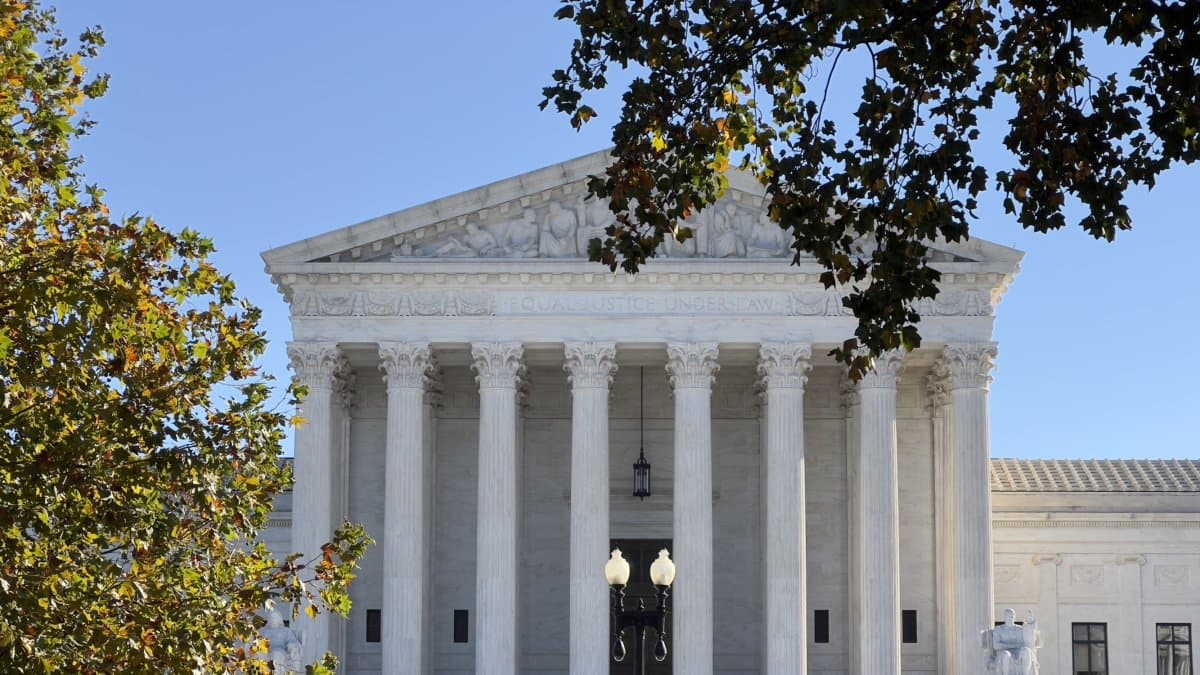

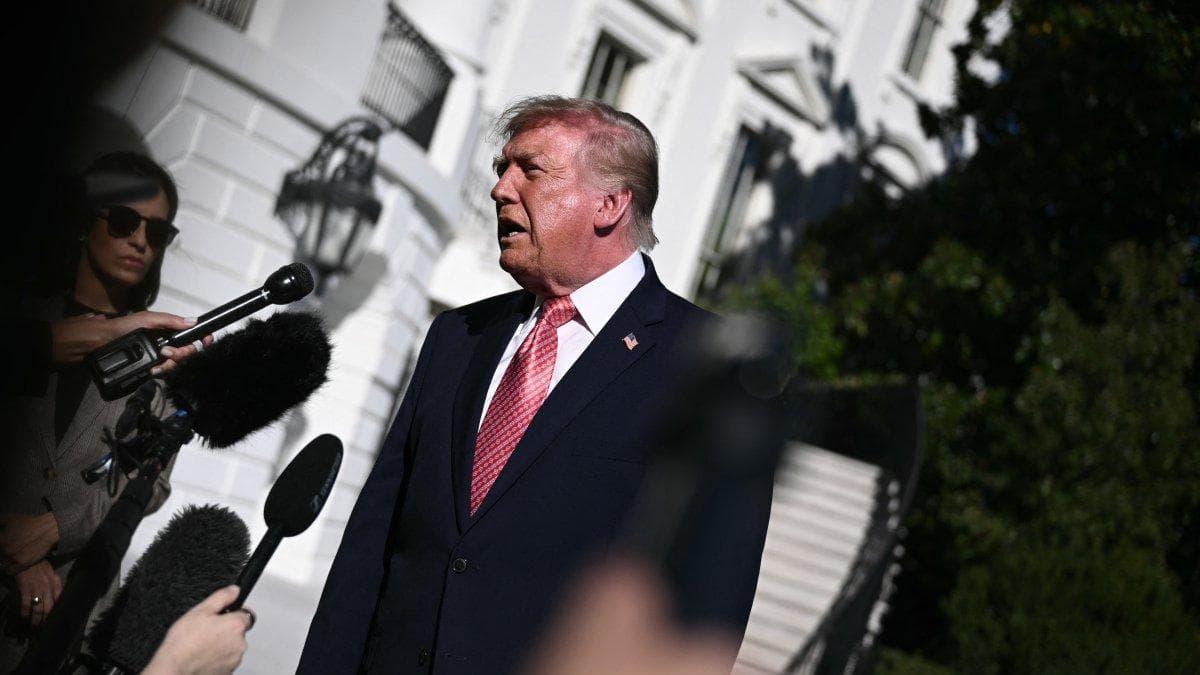
The U.S. Supreme Court decided Tuesday to intervene in an expedited manner in the dispute over the legality of the tariffs applied by President Donald Trump to imports from different countries. The high court, accepting the White House's arguments, will hear the lawmakers in the first week of November and release its decision shortly thereafter, an unusually quick timetable for a high-impact, high-stakes case.
The debate revolves around Trump's authority to impose tariffs without congressional endorsement under the International Emergency Economic Powers Act. The president's critics argue that such legislation does not grant such broad powers and that the Constitution reserves to the federal Congress the power to set tariffs.
The justices of the Supreme Court agreed to analyze two processes to define the lawsuit. The first one was promoted by the Trump Administration itself, following an adverse ruling by the Court of Appeals for the Federal Circuit in late August, which concluded that the president had exceeded his powers. The second corresponds to a lawsuit filed by the companies Learning Resources and hand2mind, dedicated to the manufacture of educational toys, which claim direct economic damage due to the economic measure.

Also under discussion are the so-called "reciprocal" tariffs, which reach 34% for products from China and establish a 10% base for the rest of the world, as well as a 25% levy on goods from Canada, Mexico, and China, justified by the White House as a response to the lack of cooperation in the fight against fentanyl. Other important tariffs that have had a great impact on some industries, such as the 50% tariff on steel and aluminum, are left out of this judicial process.
Twelve states and several importing companies, including V.O.S. Selections Inc. and Plastic Services and Products, joined the litigation. For all parties, including the federal government, the urgency of the case is due to both the economic impact and the need to clearly define the limits of presidential power in trade policy.
While the Supreme Court, whose justices are partially more conservative in a 6-3 majority, has ruled in favor of President Trump on several occasions, legal analysts concur and anticipate that the high court may be more skeptical this time around, as in other notable cases. In recent rulings, the court has already limited the expansive use of executive powers, such as when it blocked former President Joe Biden's plan to forgive student debt.
🛠 Do you think there is an error in this article?
Recommendations




LATEST