Washington and Beijing soften their trade war with new tariff reductions
In a separate statement, the Chinese government also said it will lift levies of up to 15% on U.S. soybeans and other agricultural goods, a move aimed at strengthening ties in the agricultural sector and contributing to trade stability.
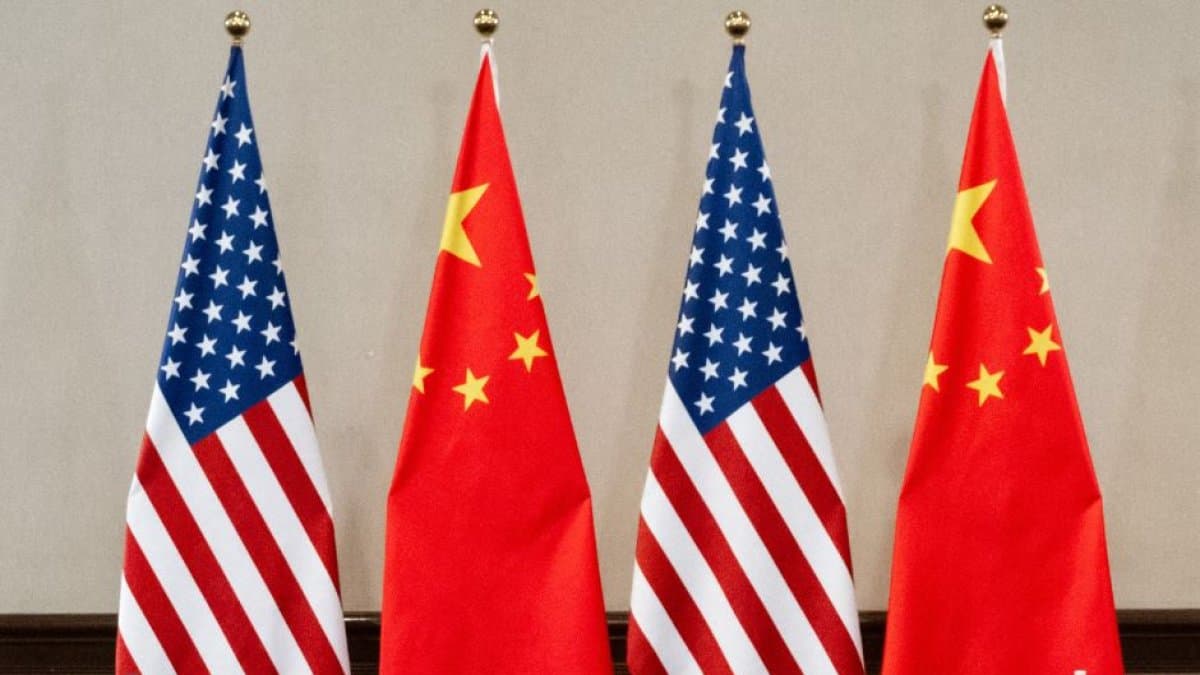

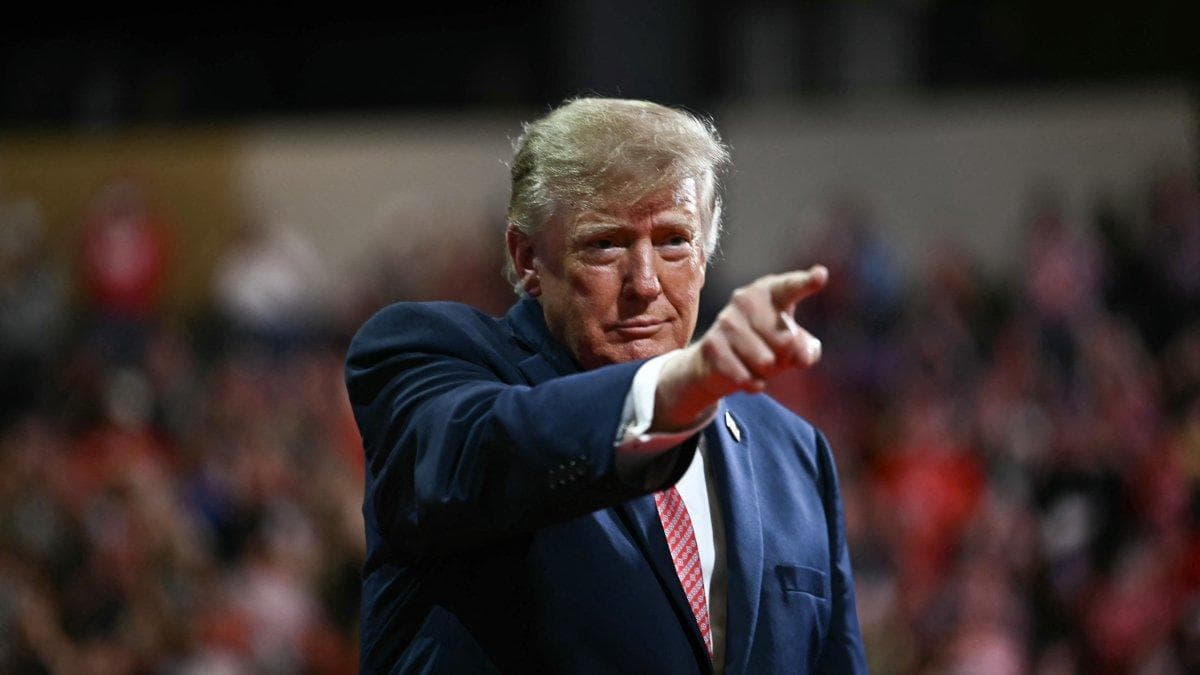
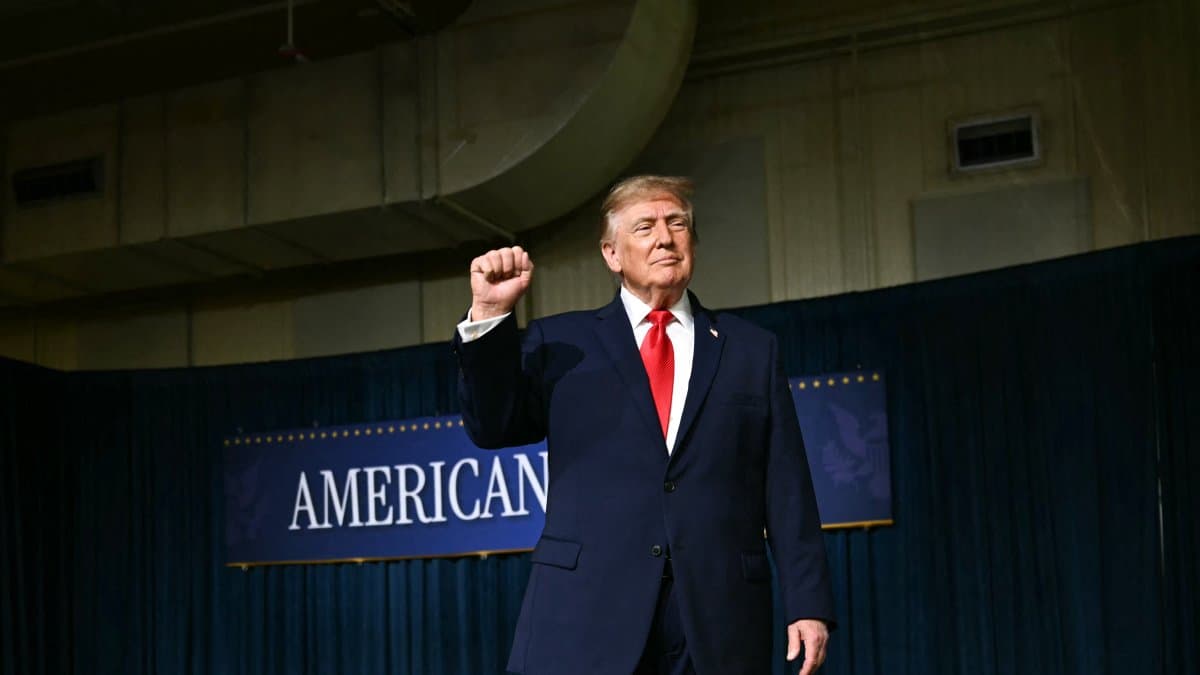
President Donald Trump formalized on Tuesday a trade agreement by which Washington will reduce from 20% to 10% its additional tariffs on imports from China, a measure that will take effect on Nov. 10.
The levies on numerous Chinese products had been imposed as retaliation for the trafficking of fentanyl to the United States, where China allegedly plays a major role in the supply chain, the president said at the time.
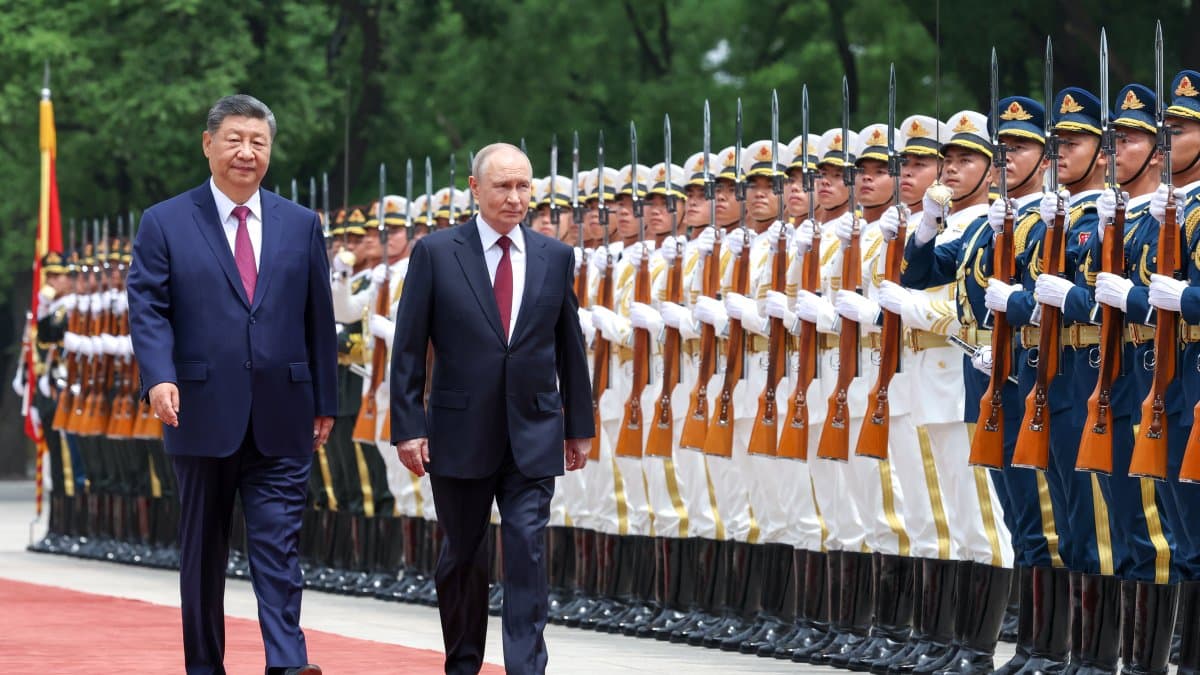
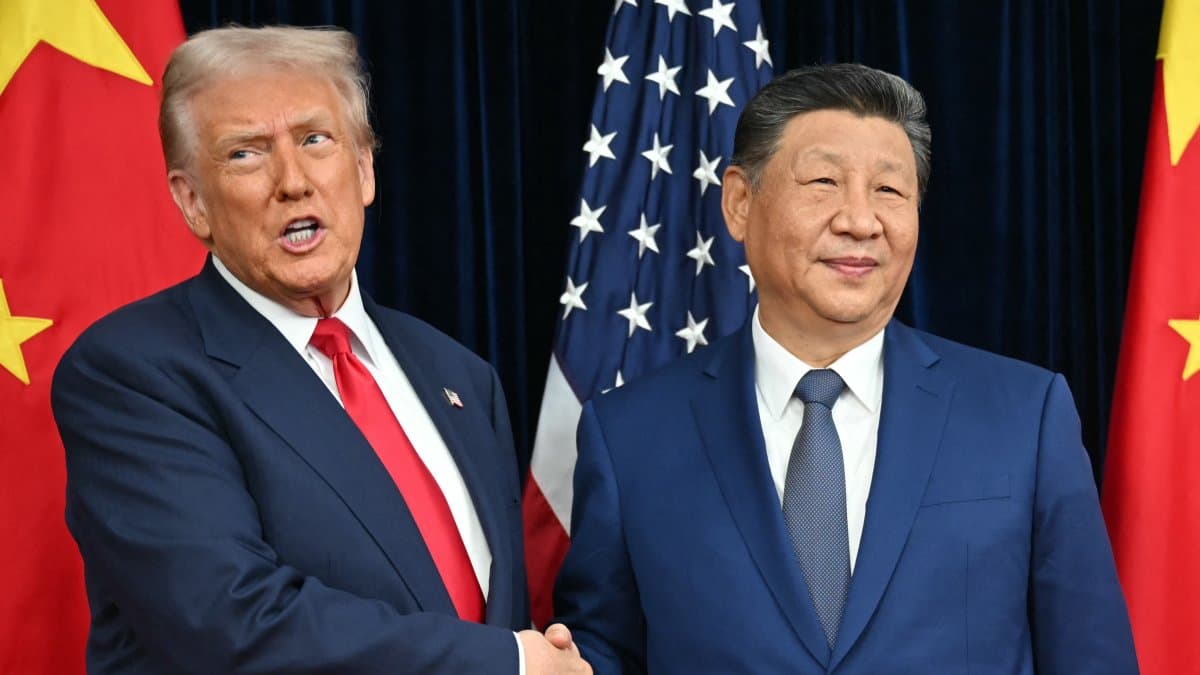
The decision comes after talks last week in South Korea between Trump and Chinese President Xi Jinping, where the two leaders agreed to extend their delicate trade truce for a year, following several rounds of negotiations that sought to ease tensions between the world's two largest economies.
In response, China announced Wednesday that it will extend for one year the suspension of the additional 24% tariff it had imposed on U.S. products, maintaining an overall levy of 10%.
According to a statement posted on China's Ministry of Finance website, and citing Beijing's State Council, "for one year the 24% tariff on U.S. products will continue to be suspended, while maintaining a 10% tariff." The measure will also take effect on November 10 and is part of the consensus reached during bilateral economic and trade consultations.
In a separate statement, the Chinese government further reported that it will lift levies of up to 15% on U.S. soybeans and other agricultural goods, a move that seeks to strengthen ties in the agricultural sector and contribute to trade stability.

Trade tensions between the two countries escalated throughout 2025, with the mutual imposition of ever-higher tariffs. At their most critical point, tariffs on both sides reached triple digits, affecting international markets and disrupting global supply chains.
🛠 Do you think there is an error in this article?
Recommendations


LATEST