Trump pardons Binance founder and puts an end to the 'war on cryptocurrencies' started by Biden
"It wasn't a crime, that he was persecuted by the Biden administration. And so I gave him a pardon at the request of a lot of very good people," Trump said of his decision.
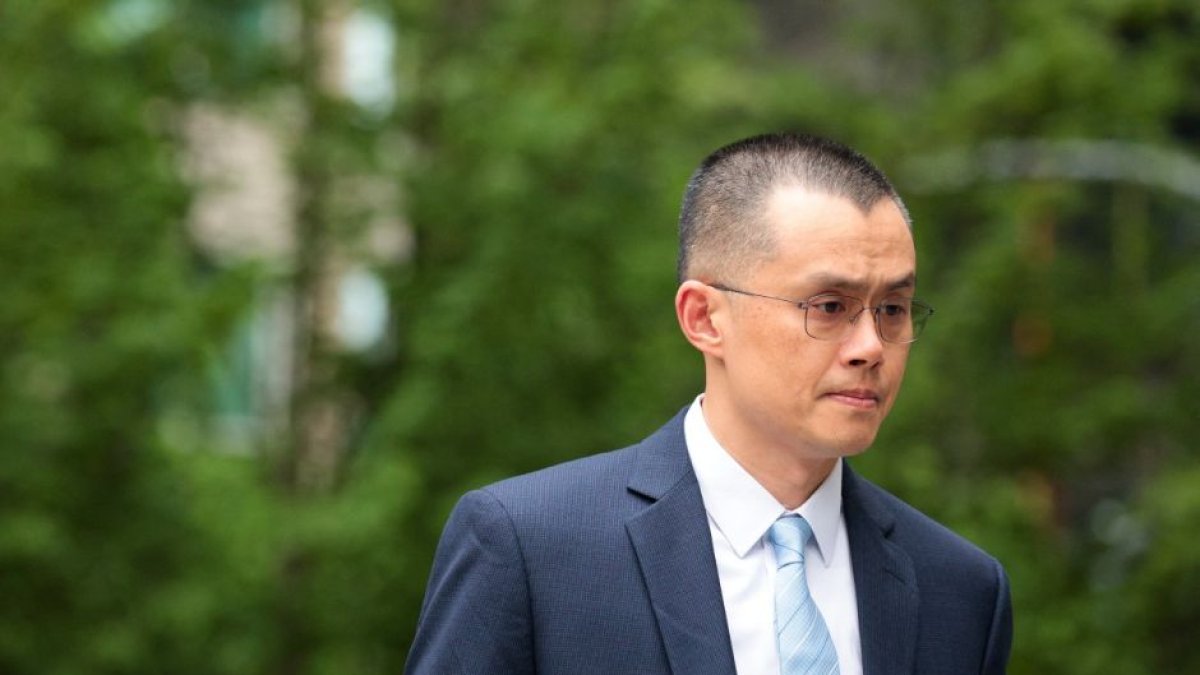
Changpeng Zhao, founder of Binance, in a file image.

On Wednesday, President Donald Trump granted a presidential pardon to Changpeng Zhao, the founder of the cryptocurrency exchange Binance, who had been convicted in 2023 of violating U.S. anti-money laundering rules.
The presidential gesture follows months of lobbying by Binance, in parallel to the growing link between the exchange and World Liberty Financial, the Trump family's crypto company.
Press Secretary Karoline Leavitt justified the pardon by explaining that the president "exercised his constitutional authority in issuing a pardon for Mr. Zhao, who was prosecuted by the Biden Administration in its war on cryptocurrencies."
Leavitt added, "that war is over."
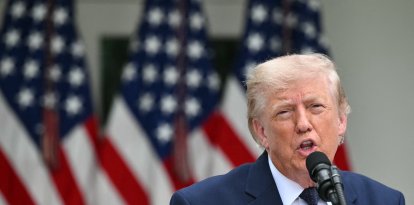
Speaking to reporters, Trump did not hesitate to defend his decision.
"A lot of people say that he wasn't guilty of anything. He served four months in jail... they said that what he did is not even a crime. It wasn’t a crime, that he was persecuted by the Biden administration. And so I gave him a pardon at the request of a lot of very good people."
🇺🇸 BREAKING: President Trump speaks about the pardon for CZ.
— CoinDesk (@CoinDesk) October 23, 2025
"They said, what he did is not even a crime, wasn't a crime... I gave him a pardon at the request of a lot of good people." pic.twitter.com/abvBTaxkxl
Zhao, released in September 2024 after serving a brief sentence following prosecution and conviction, thanked the president for the pardon on his X account.
"Deeply grateful for today's pardon and to President Trump for upholding America's commitment to fairness, innovation, and justice. Will do everything we can to help make America the Capital of Crypto and advance web3 worldwide."
Deeply grateful for today’s pardon and to President Trump for upholding America’s commitment to fairness, innovation, and justice.
— CZ 🔶 BNB (@cz_binance) October 23, 2025
🙏🙏🙏🙏
Will do everything we can to help make America the Capital of Crypto and advance web3 worldwide.
(Still in flight, more posts to come.)…
The presidential pardon could facilitate Binance's return to the U.S. market, from which it was barred after pleading guilty and paying a record $4.3 billion fine. However, the company is still under the Treasury Department's supervision, which must decide whether to maintain the strict financial control measures.
The case undoubtedly marks a symbolic turn in the White House's economic policy, which, under Trump's watch, seeks to position the United States as the global epicenter of crypto innovation.

LATEST