Wall Street opens lower amidst new tensions between US and China
The main stock market indexes registered losses at the beginning of the day. However, banks such as Goldman Sachs, JPMorgan and Wells Fargo reported results above expectations.
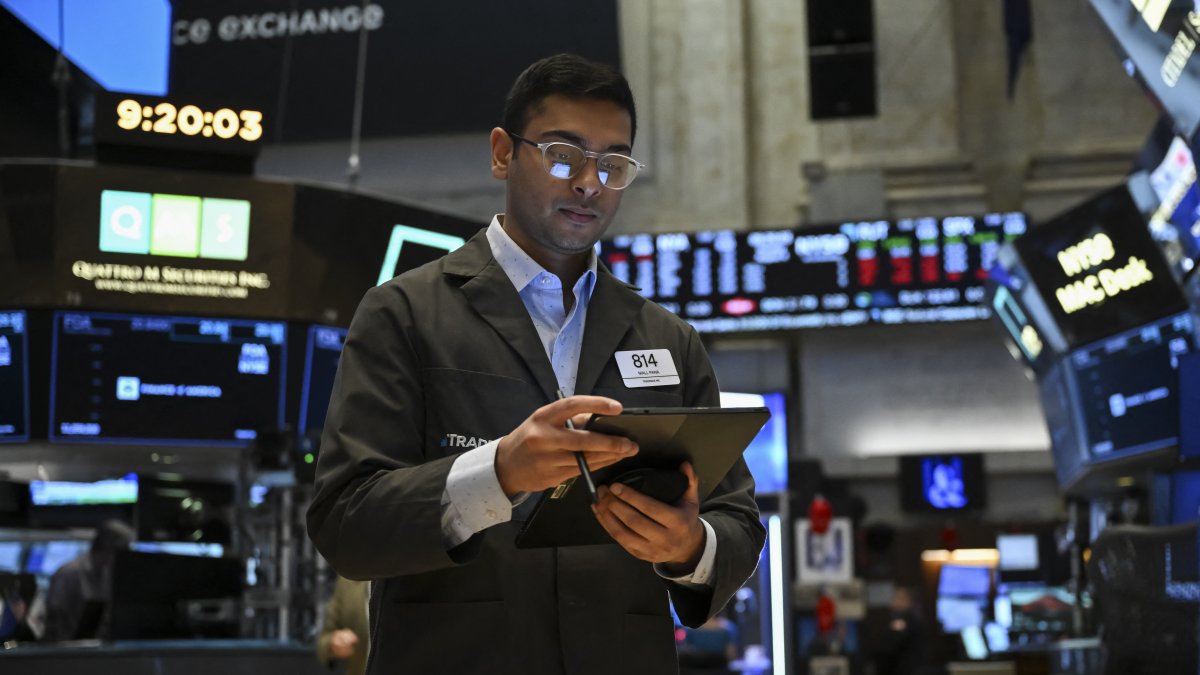
Traders work the trading floor of the New York Stock Exchange.

Market shares declined Tuesday after trade tensions between the U.S. and China intensified again, although a steady rebound in subsequent trading helped cut losses for the major indexes.
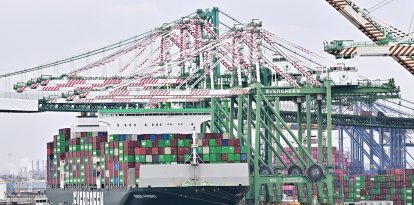
Beijing imposed sanctions on U.S. subsidiaries of South Korean shipping conglomerate Hanwha Ocean, accusing them of collaborating with Washington and harming China's trade interests. The decision coincided with the entry into force of new retaliatory port tariffs between the two powers.


World
Trump to impose additional 100% tariffs on China in response to Chinese export controls
Agustina Blanco
Treasury Secretary Scott Bessent told The Financial Times that China is "in the middle of a recession or depression" and added that "they want to drag everyone else down with them."
The major U.S. stock indexes posted steep declines early Tuesday, though they later managed to recover much of the lost ground. The Dow Jones closed down a slight 0.1%, after retreating as much as 1.4% earlier. Meanwhile, the VIX, a volatility indicator known as the "fear thermometer" on Wall Street, showed a rebound.
Third-quarter earnings season kicked off in good spirits, driven by solid performance in the banking sector. Goldman Sachs, JPMorgan and Wells Fargo reported earnings above market estimates, while BlackRock's assets under management exceeded $13 trillion for the first time.
However, JPMorgan and Goldman Sachs shares retreated, reflecting high investor expectations after the strong rallies they had posted throughout the year.

Recent trading in the markets:
- In commodities, gold reached a new all-time high.
- Silver futures retreated after posting their first record high since 1980.
- Crude oil fell about 2%.
- In Asia, Japan's Nikkei 225 index lost 2.6%, its worst day since April, amid growing political uncertainty in the country.
LATEST