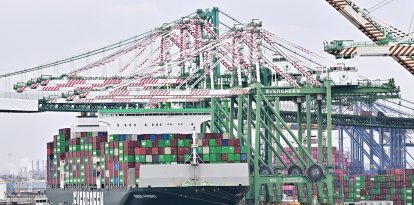
Trump signs executive order to reduce US tariffs on Japanese cars to 15%
Chief Japanese government spokesman Yoshimasa Hayashi said his country welcomed the executive order, which marked the "firm implementation" of the agreement.
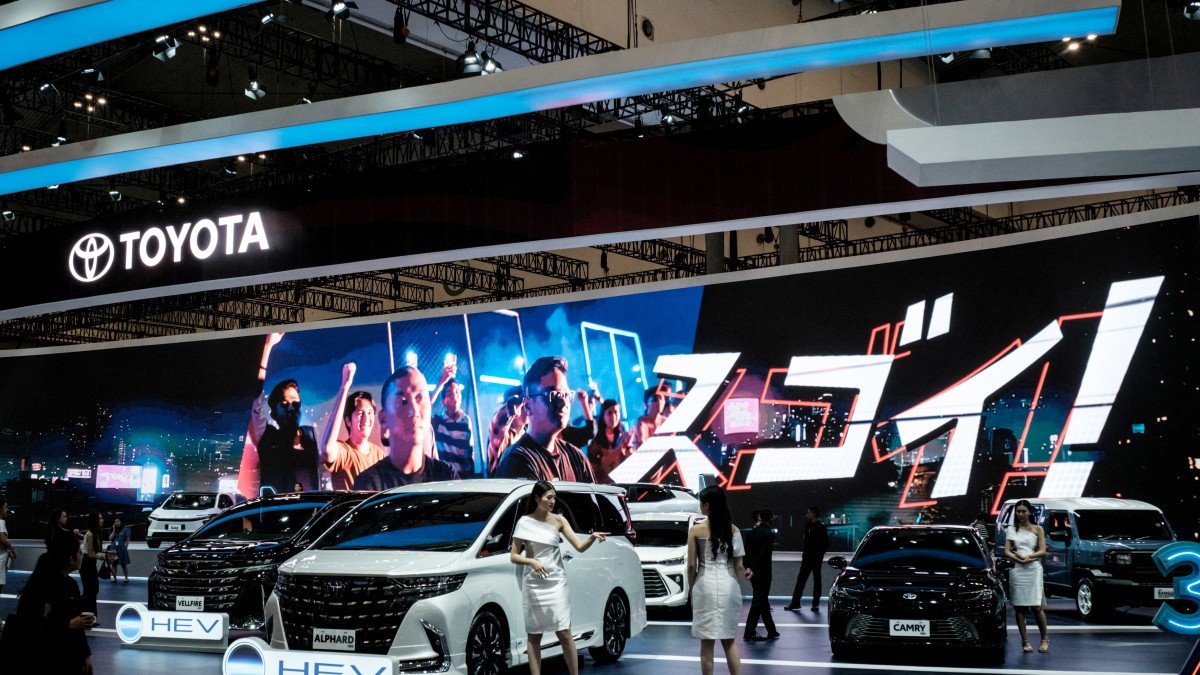
Reference images of Toyota cars
(AFP) On Thursday, U.S. President Donald Trump signed an executive order to reduce tariffs on Japanese cars as part of the implementation of a trade pact negotiated with Tokyo.
Japanese cars will have a 15% tariff instead of the current 27.5%, while for many other products it will also be limited to 15%, according to the text of the executive order released by the White House.
The agreement, reached after months of negotiations between the United States and one of its major allies in Asia, brings certainty to Japan's battered auto industry since the initial July announcement and also ratifies a commitment of $550 billion in Japanese investment earmarked for projects on U.S. soil.
This is a victory for Japan after a representative from Tokyo traveled to Washington on Thursday to urge Trump to sign the document setting out the changes announced weeks earlier.
Japan's top government spokesman, Yoshimasa Hayashi, said his country welcomed the executive order, which marked the "firm implementation" of the agreement. Japan's economy is heavily dependent on exports.
While the two countries had initially presented a trade pact in late July, they appeared to disagree on its details.
When Trump implemented higher tariffs for Japan in early August, as he did for dozens of other economies, the 15% rate was added to existing levels for many different products.
Against this backdrop, Japanese tariff envoy Ryosei Akazawa told reporters he expected Washington to review the rule.
Modifications must be made within seven days of the rule's publication in the Federal Register.
LATEST