After three consecutive rate cuts, the Fed decides to keep current interest rates unchanged
The Jerome Powell-led body voted to leave rates unchanged as tensions with the Trump Administration continue to escalate.
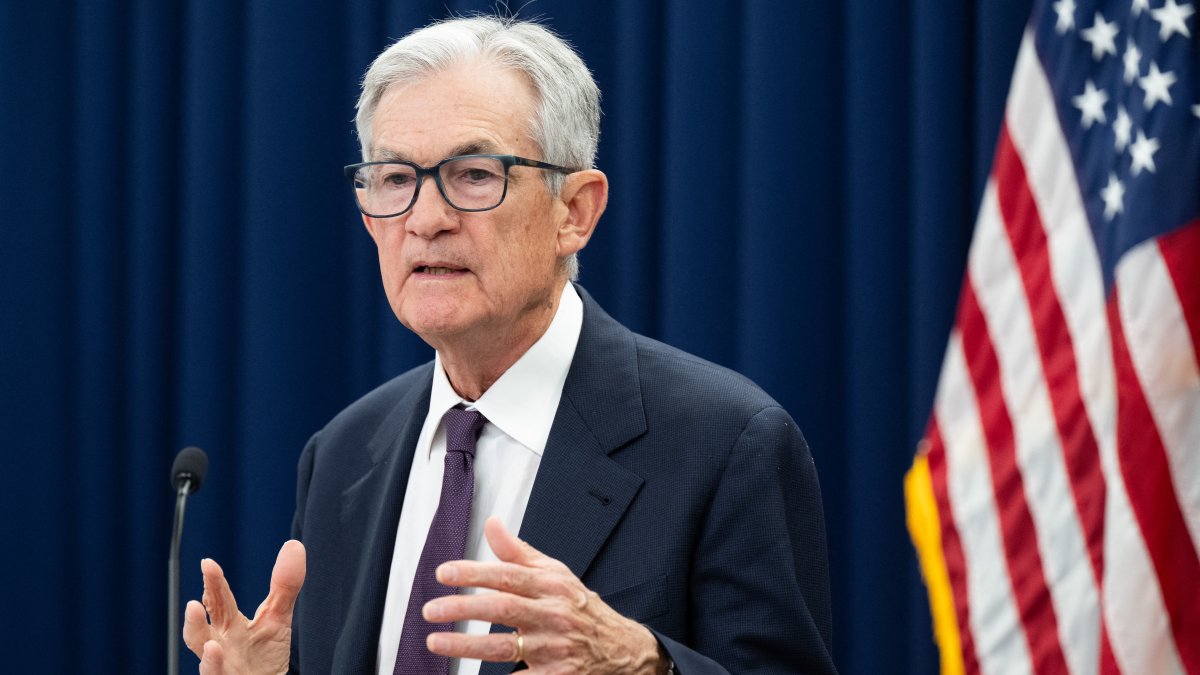
Jerome Powell during a press conference/ Saul Loeb.

The Federal Reserve (FED) has decided to maintain current interest rates. After three consecutive cuts, the body led by Jerome Powell voted to leave rates unchanged as tension with the Trump Administration continues to escalate.
The decision comes after three consecutive 0.25 basis point cuts in September, October and December 2025.
The Federal Open Market Committee (FOMC) voted 10 to 2 to keep its base interest rate range unchanged at 3.5% to 3.75%. Christopher Waller and Stephen Miran were the members of the Fed's Board of Governors who voted in favor of another 0.25 percentage point cut. As for those who voted against, Miran was nominated by Trump and confirmed by the Senate in September. For his part, Waller is among the finalists to be the new Fed chairman.
Moments after the announcement, Powell explained his reasons during a press conference in which he highlighted economic growth and the low unemployment rate.
"Monetary policy is not on a preset course, and we will make our decisions on a meeting-by-meeting basis. The economy is growing at a solid pace, the unemployment rate has been broadly stable and inflation remains somewhat elevated, so we’ll be looking to our goal variables and letting the data light the way for us," he said.

Politics
La guerra Trump–Fed estalla: fiscales federales investigan a Jerome Powell por sobrecostos en obras millonarias
Emmanuel Alejandro Rondón

On the inflation data, he explained that "elevated readings largely reflect inflation in the goods sector, which has been boosted by the effects of tariffs," also remarking that the services sector has experienced disinflation.
The Fed's decision comes during a peak of tensions with the Trump Administration. In addition to the president's recurring calls for Powell's resignation, a federal investigation against the Fed chairman for alleged million-dollar cost overruns on renovations at the monetary policy-setting body's headquarters was recently announced.
The announcement was harshly criticized by many members of Congress, both Democrats and Republicans.
How is the chairman of the Federal Reserve chosen?
The term as chairman of the Federal Reserve lasts four years and he can be re-elected indefinitely. For example, Alan Greenspan was nominated by Ronald Reagan in 1987 and remained in office until 2006, being re-elected during the terms of George H. W. Bush, Bill Clinton and George W. Bush.
The Federal Reserve is also governed by a seven-member Board of Governors, all nominated by the president and confirmed by the Senate. Each governor has a 14-year term, intended to expire one every two years, which seeks to ensure continuity and institutional independence.
The chairman of the Fed serves simultaneously as one of these governors.
LATEST