US and Taiwan seal agreement to reduce tariffs and boost investment in semiconductors and AI
According to plans submitted by the Taiwanese government, advanced chip production capacity will be split 85% in Taiwan and 15% in the US by 2030, and 80-20 by 2036.
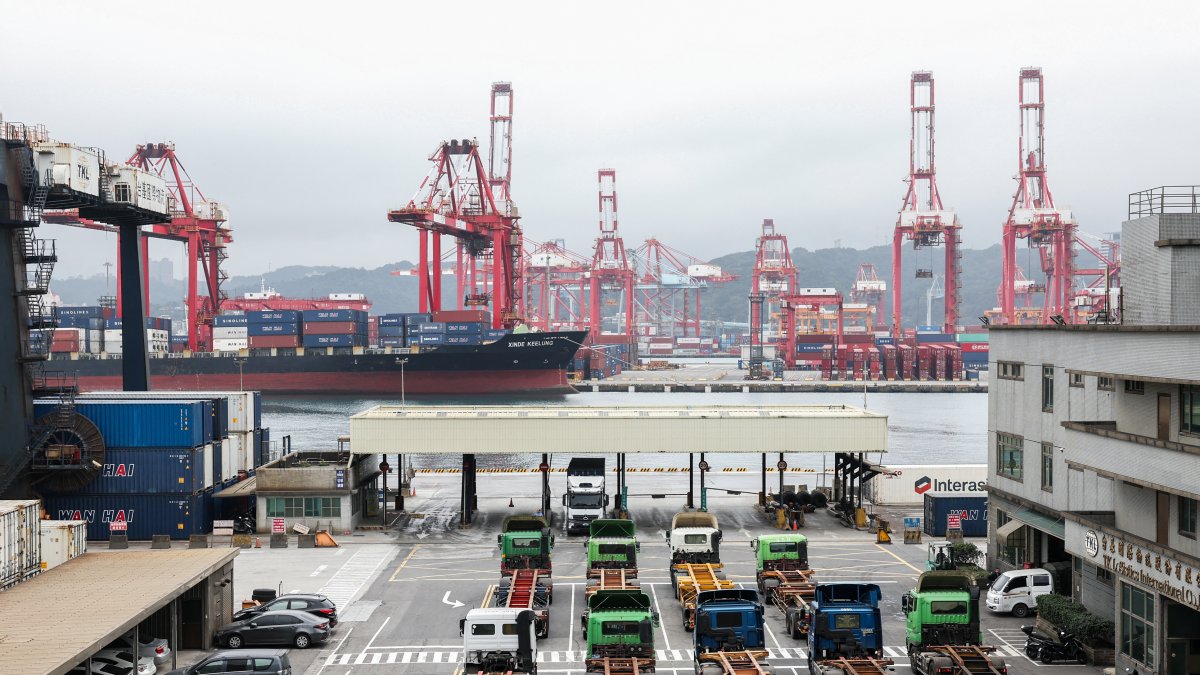
US and Taiwan reach agreements on trade and tariffs.

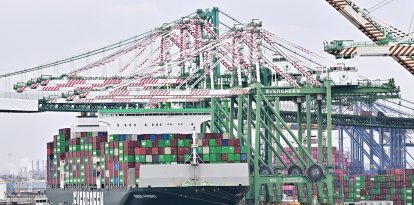
The United States and Taiwan reached a trade and technology agreement that provides for lower tariffs, as well as a substantial increase in Taiwanese investment in the semiconductors and artificial intelligence on U.S. soil, officials from both governments said Friday.
The pact calls for Washington to reduce tariffs applied to Taiwanese products to 15% from the 20% in force until now, as part of measures taken by the United States to correct its trade deficit and what it considers unfair practices. The U.S. Department of Commerce affirmed that the agreement "will spur a massive relocation of the U.S. semiconductor sector."
From Taipei, Premier Cho Jung-tai welcomed the outcome of the negotiations and praised the technical teams for reaching the deal.
Taiwan, one of the world's leading players in the manufacture of microchips - key to the global economy and the development of artificial intelligence - assured that the agreement does not compromise its leadership, reported the AFP. Economy Minister Kung Ming-hsin said that, according to official forecasts, the island "will continue to be the world's leading producer of chips for artificial intelligence."
According to plans presented by the Taiwanese government, advanced chip production capacity will be split at a ratio of 85% in Taiwan and 15% in the United States by 2030, and 80-20 by 2036.
Investments of at least $250 billion
According to the US Department of Commerce, the agreement calls for Taiwanese semiconductor and technology companies to make new direct investments of at least $250 billion to expand their production capacity in areas such as advanced chips and artificial intelligence technologies in the country. Taiwan will also offer credit guarantees for at least another US$250 billion to facilitate additional investments.
Washington specified that sectoral tariffs on Taiwanese auto parts, lumber and wood products will also be limited to 15%, while generic drugs and certain natural resources will be exempted from reciprocal tariffs.
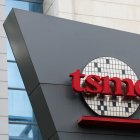
Although the agreement does not name specific companies, it has direct implications for TSMC, the world's largest semiconductor manufacturer. U.S. Commerce Secretary Howard Lutnick told CNBC that the company has already acquired land and could expand its operations in Arizona.
The pact must now be ratified by the opposition-controlled Taiwanese parliament, where some lawmakers have expressed reservations about the possible long-term outcome on the island's technology leadership.
Politics
Trump Administration approves $330 million sale of military equipment to Taiwan
Carlos Dominguez
China's reaction
LATEST