Analisys
Trump administration rejects Net-Zero Framework that relies on the UN
“Will not tolerate any action that increases costs for our citizens, energy providers, shipping companies and their customers, or tourists,” the administration said in a Department of State statement.

The Trump administration has stepped up its opposition to the "Net-zero Framework" proposed by the International Maritime Organization (IMO), which reports to the UN, calling it a "global carbon tax" that would hurt U.S. consumers and industry.
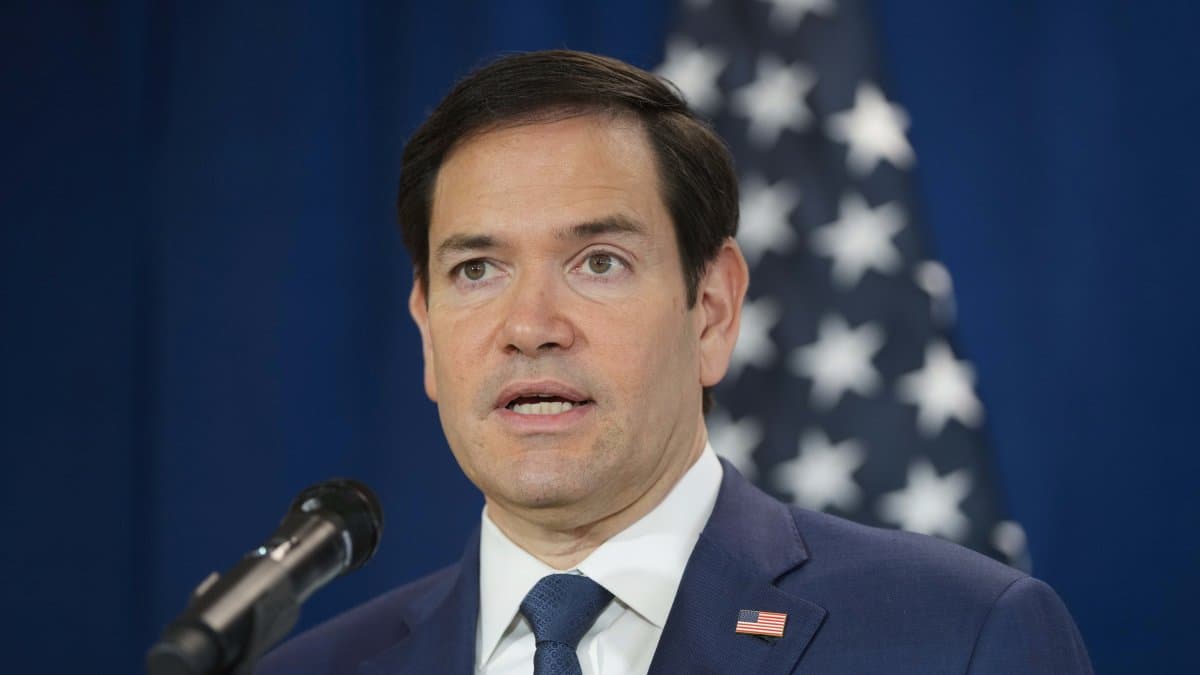
This position was articulated by Secretary of State Marco Rubio, Secretary of Commerce Howard Lutnick, Secretary of Energy Chris Wright, and Secretary of Transportation Sean Duffy. Transportation Secretary Sean Duffy puts global shipping decarbonization regulations in check ahead of the IMO meeting in October this year, where formal adoption of the framework is expected.
The Net-zero Framework, approved in April by the Marine Environment Protection Committee (MEPC 83), seeks to establish the first global mechanism combining mandatory emissions limits with greenhouse gas pricing for the maritime sector.
Along those lines, starting in 2027, transoceanic vessels over 5,000 gross tons, responsible for 85% of international shipping's CO2 emissions, would be required to meet greenhouse gas intensity standards and purchase corrective units if they exceed emissions thresholds. In addition, the framework would create a Zero Net Emissions Fund to finance low-emission ships, support innovation and mitigate impacts in vulnerable countries.
However, the Trump administration argues that these measures would encumber energy, transportation and cruise costs for Americans, by imposing charges on ships that do not meet the proposed fuel standards. According to the official statement released by the Department of State, the framework favors China by requiring expensive fuels not available on a global scale, while restricting technologies such as liquefied natural gas (LNG) and biofuels, in which the United States leads.
"Will not tolerate any action that increases costs for our citizens, energy providers, shipping companies and their customers, or tourists," the Administration stated, warning other IMO members that it will seek support against the proposal and consider "retaliation" if unsuccessful.
Along those lines, in a message on X, Secretary Rubio reiterated this position: “The United States will not accept any environmental agreement that harms the interests of the American people. The International Maritime Organization’s proposal for a “Net-zero Framework” is a tax on Americans levied by an unaccountable UN organization.“ In addition, Rubio noted that the decision was also endorsed by Secretaries Duffy, Wright and Lutnick and their respective secretaries.
The United States will not accept any environmental agreement that harms the interests of the American people. The International Maritime Organization’s proposal for a “Net-Zero Framework” is a tax on Americans levied by an unaccountable UN organization. @SecDuffy,…
Criticism of the Republican administration's move
Trump's opposition comes amid criticism of his tariff policies, which, according to Jonathan Gold of the National Retail Federation, are raising consumer prices and hurting small businesses.
For its part, the International Chamber of Shipping (ICS), which represents 80% of the world's merchant fleet, supports the framework, but urges clarity on incentives for clean fuels. "The IMO needs to formally adopt the Net-zero Framework in October to send a clear signal to industry," Thomas A. Kazakos, ICS secretary general, noted.
Environmental agreements in the Trump administration: US first
🛠 Do you think there is an error in this article?
Recommendations







LATEST