CK Hutchison seeks more than $1.5 billion from Panama over loss of two Canal ports
The Hong Kong-based conglomerate has initiated international arbitration against the Panamanian government over the cancellation of the Balboa and Cristóbal concessions. Its subsidiary, Panama Ports Company, is also pursuing a separate claim for more than $2 billion.
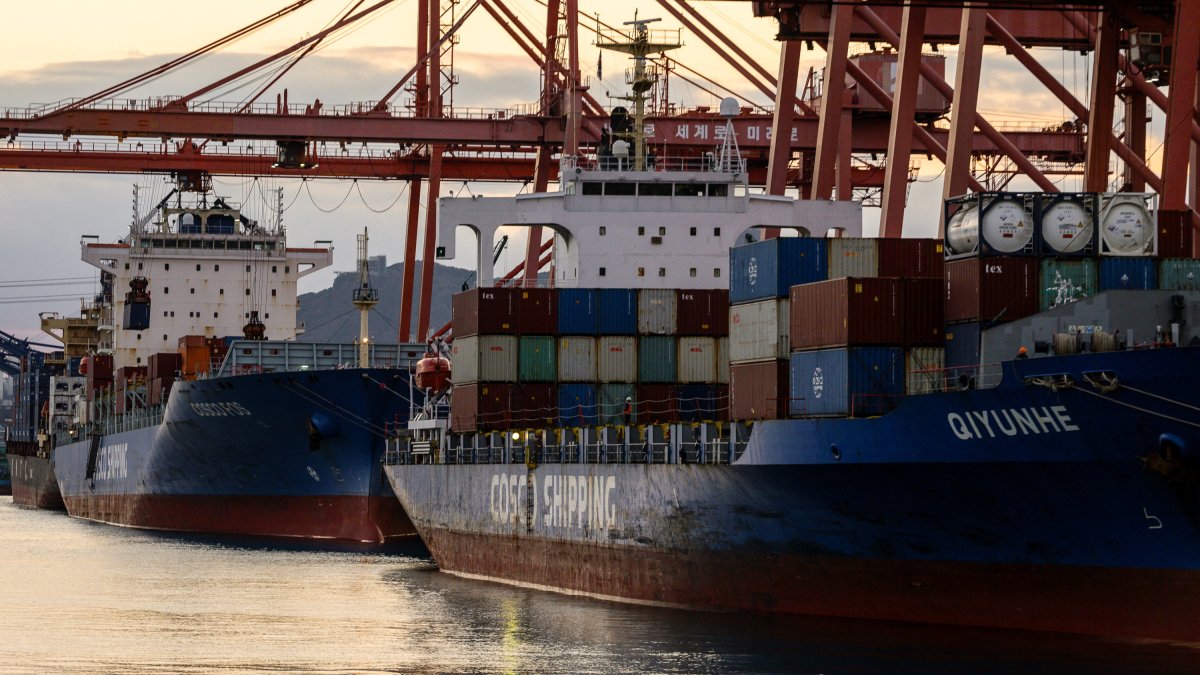
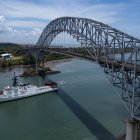
Cargo ships in the Panama Canal

The CK Hutchison Holdings conglomerate has initiated international arbitration proceedings against Panama in which it is seeking more than $1.5 billion in damages for what it considers the "destruction" of its investments related to the ports of Balboa and Cristóbal, located at both ends of the Panama Canal.
The company announced on Thursday that the case is based on alleged violations of an investment protection treaty and international law. According to its official statement, CK Hutchison maintains that several decisions made by the Panamanian government resulted in the loss of the port concessions and the takeover of the terminals.
"Panama has shown that it has become a high-risk country that disregards the rule of law," the company stated, also accusing the Panamanian government of disregarding its rights under international treaties.
A second claim for more than $2 billion
The new arbitration is separate from the proceedings previously initiated by Panama Ports Company (PPC), a subsidiary of CK Hutchison that managed the ports of Balboa and Cristóbal for nearly three decades.
In February, PPC initiated arbitration under the rules of the International Chamber of Commerce and subsequently increased its claim to more than $2 billion, alleging damages resulting from the revocation of its licenses and the Panamanian government's takeover of the terminals.
The concessions had originally been granted in 1997 for a period of 25 years and were renewed in 2021. However, the Supreme Court of Panama revoked the licenses to operate both ports, sparking a legal and diplomatic dispute that has also been marked by tensions between the United States and China over the presence of Hong Kong-linked companies around the Canal.
LATEST