State Department says American under arrest in China on espionage charges is ‘wrongfully detained’
This designation increases diplomatic pressure one month before the leader of the Chinese communist regime, Xi Jinping, visits President Donald Trump in Washington.
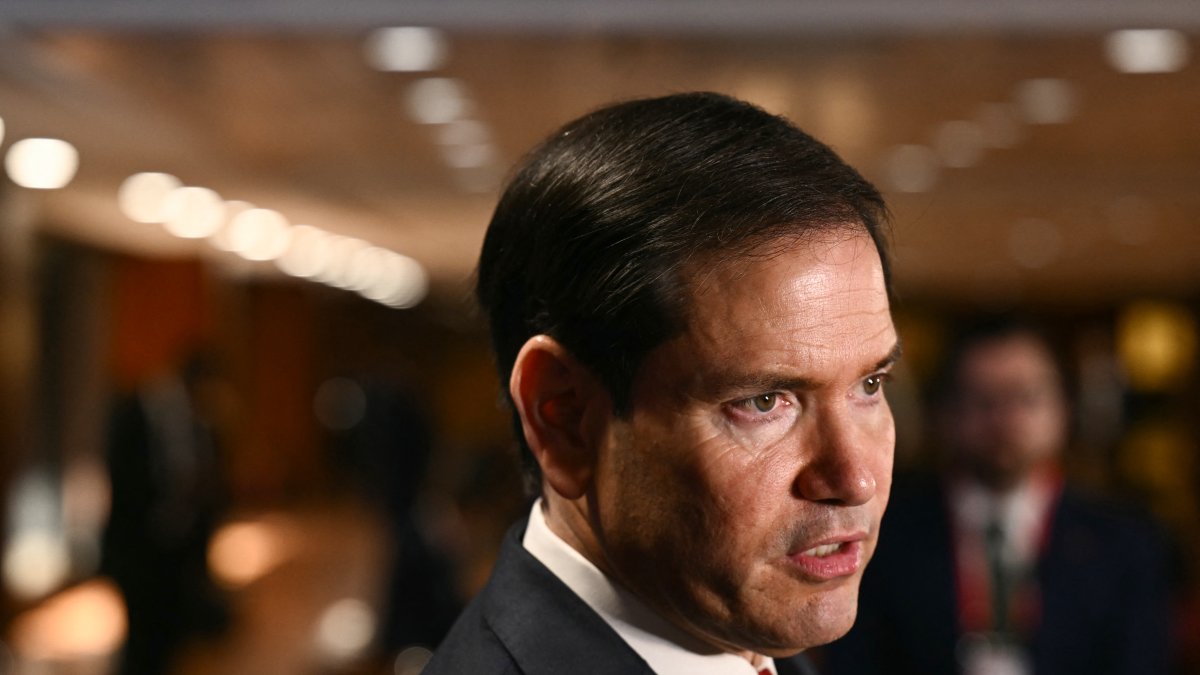
Marco Rubio in Pasay, Manila, Philippines / Brendan Smialowski

The United States said Thursday that it has designated a U.S. citizen detained in China on espionage charges as "wrongfully detained" and called for his release, along with that of another American.
This designation ramps up diplomatic pressure one month before the leader of the Chinese communist regime, Xi Jinping, is set to visit President Donald Trump in Washington.
U.S. puts pressure on China a month before Xi's visit
Secretary of State Marco Rubio "has determined that U.S. citizen Min Zin is wrongfully detained in China," said Assistant Secretary Dylan Johnson. "There are now two wrongfully detained U.S. citizens in China: Mr. Zin and Dr. Youlin Chen."
"We will continue to advocate for Mr. Zin and call for the release of all U.S. citizens who are arbitrarily detained or exit banned in China," Johnson added.
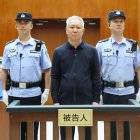
According to Johnson, Min Zin "had traveled to attend an academic conference at the invitation of the Chinese government" when he was detained.
AFP reported that the Chinese communist regime's Ministry of Foreign Affairs has stated that he is being detained "on suspicion of engaging in espionage activities that endanger China's national security."
Who is Min Zin?
He is the founder of the Institute for Strategy and Policy Myanmar (ISP-M), which researches the politics, resources and conflicts of Myanmar, a country that has been in a state of civil war since the 2021 military coup. Some of the institute's reports detail China's influence in border areas, where Beijing is accused of supporting both rebel factions and the army, depending on its interests.
The center is based in Chiang Mai, in northern Thailand, a refuge for Burmese exiles since the coup ousted the government of Aung San Suu Kyi.
LATEST