The United States is driving the transition in Venezuela through an unexpected meeting between Chavistas and an opposition figure
For Washington, the value of this rapprochement lies in the strict adherence to an agenda of far-reaching structural reforms.
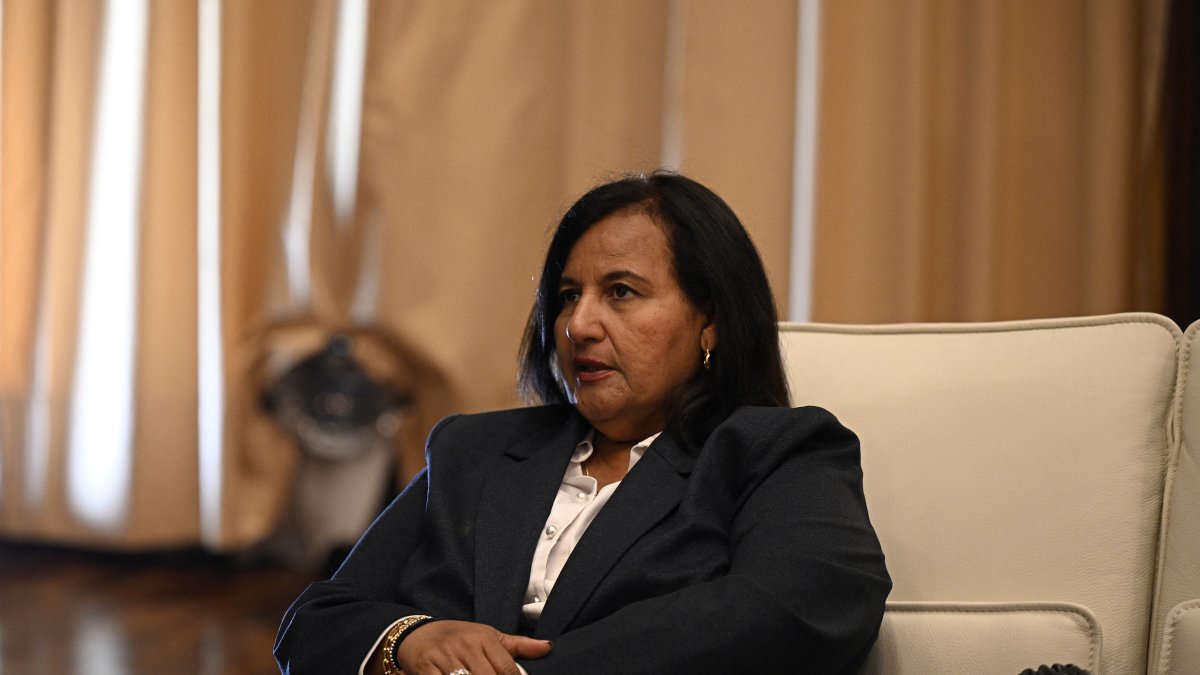
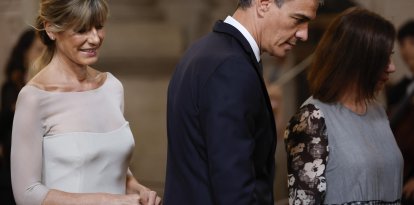
Dinorah Figuera during Thursday’s meeting with Jorge Rodríguez.

Jorge Rodríguez, president of the current National Assembly and representative of Venezuela’s interim government, met Thursday in Caracas with Dinorah Figuera, president of the 2015 National Assembly, in a surprise meeting facilitated by the U.S. government.
In an official statement issued by the Department of State, the U.S. administration welcomed this rapprochement, viewing it as a fundamental step toward designing a roadmap aimed at opening a political dialogue focused on a democratic transition for the country.
For Washington, the value of this rapprochement lies in strict adherence to an agenda involving far-reaching structural reforms.
U.S. diplomats made it clear that they will monitor the implementation of the technical commitments made to ensure that the talks truly respond to the Venezuelan people’s aspirations for freedom and not to particular interests aimed at remaining in power.
The White House’s demands for institutional change
Washington’s support does not represent a blank check for the interim authorities in Caracas, but rather a means of exerting pressure to force the restoration of the republic.
The Department of State emphasized that the agreed-upon work agenda must focus on essential institutional priorities to set the democratic transition on the right track:
- The comprehensive reconstruction of the country’s democratic institutions, which have been severely eroded by centralism.
- The urgent strengthening of the National Electoral Council (CNE) to restore its transparency and technical independence.
- The definitive restoration of solid and lasting guarantees that allow for political participation free from persecution or proscription.
- The full restoration of essential civic freedoms is necessary for an open, pluralistic, and safe political debate.
Support for the last legitimate bastion of freedom
In the face of the institutional architecture built by the ruling party, the United States reaffirmed its recognition and support for the dialogue led by the 2015 National Assembly.
The Department of State emphatically reiterated that this legislative body represents the last democratically elected entity in Venezuela recognized by the international community.
U.S. diplomats characterized this first meeting as an initial step in a comprehensive and deliberate process that ultimately seeks to ensure the restoration of a fully free and open Venezuelan society.
Likewise, Washington reported that it expects these talks between the country’s various political parties and the interim government to continue in the coming weeks in the Venezuelan capital to formalize the start of the technical working groups.

Politics
Analyst Franklin Camargo: 'El Niño Guerrero would never have existed without Chavismo'
Luis Francisco Orozco

World
Energy opening: Venezuela finalizes five key agreements with Shell, including the Loran mega-gas field
Andrés Ignacio Henríquez
LATEST