






Escalation between Ecuador and Colombia: 100% tariffs deepen diplomatic crisis
The combination of economic measures, security disagreements and political tensions has brought the relationship between the two countries to a critical point.
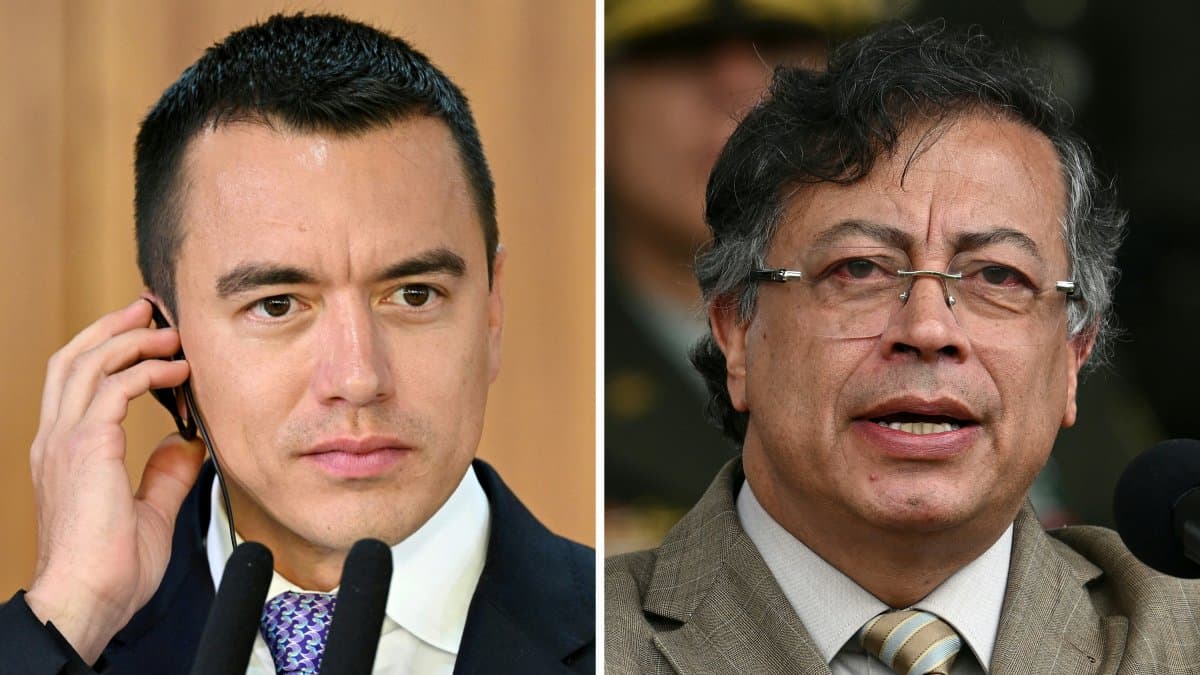

Relations between Ecuador and Colombia are going through one of their most tense periods in years following Quito's decision to raise tariffs to 100% on imports from its neighbor. The measure, which will take effect in May, deepens a commercial and diplomatic escalation that already affects key sectors such as trade, energy and border security.
An economic measure with security undertones
The Ecuadorian Ministry of Production informed that the tariff increase responds to the "lack of implementation of concrete and effective border security measures by Colombia." According to the Ecuadorian government, the country has had to allocate close to US$400 million in additional funds to strengthen control on a border of approximately 600 kilometers, where networks linked to drug trafficking, illegal mining and human trafficking operate.
Lamentablemente, no se puede llegar a acuerdos con quien no tiene el mismo compromiso para luchar contra el narcoterrorismo.
Desde que tomamos esta medida, en la frontera norte las muertes violentas se redujeron en un 33%. En el futuro, se podrá conversar con un gobierno que sí…
This new increase continues a policy initiated in February, when Ecuador imposed a 30% tariff—subsequently raised to 50% in March—under the premise of "security." With 100%, Quito claims to seek greater "co-responsibility" in the fight against transnational organized crime.
World
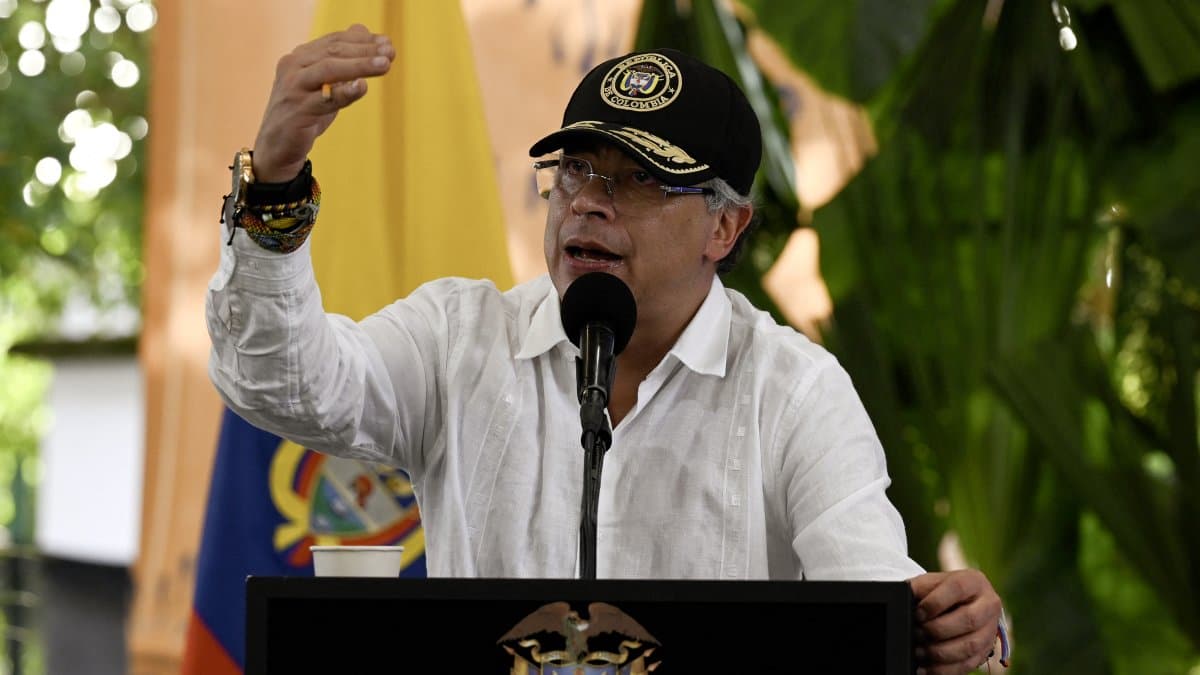
DEA designates Gustavo Petro as "priority target" as DOJ investigates whether president has ties to drug trafficking
Emmanuel Alejandro Rondón
Tariff war and regional effects
The decision is part of an ongoing trade war between the two countries. Colombia had already responded with a 50% tariff on Ecuadorian products and with the suspension of energy sales, a particularly sensitive point for Ecuador, which in 2024 faced blackouts of up to 14 hours a day.
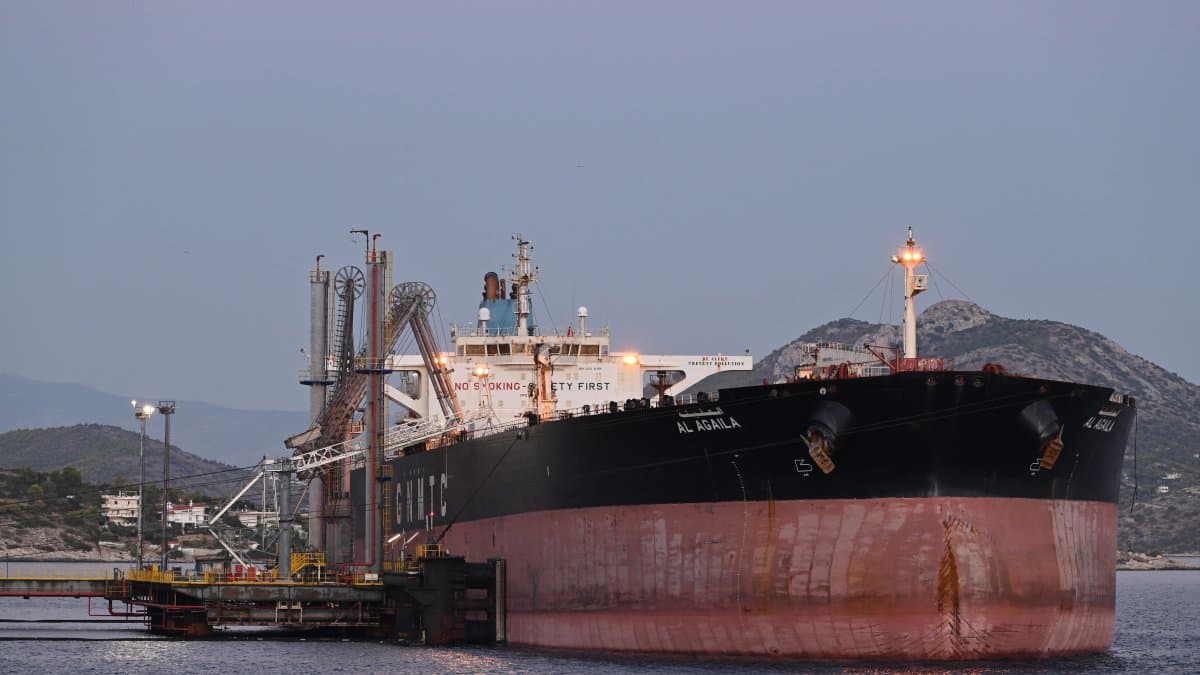
In addition to trade, tensions have affected energy cooperation and crude oil transportation, evidencing the structural impact of the conflict on the bilateral relationship.
Diplomatic escalation after statements on Jorge Glas
Glas, who was vice president between 2013 and 2017 during the government of Rafael Correa, is serving several sentences for crimes such as bribery, embezzlement and illicit association, including a 13-year sentence. Since November he has been held in a maximum security prison on the Ecuadorian coast.
Diplomatic talks between the two countries, which sought to curb the escalation, have been suspended. Ecuadorian Foreign Minister Gabriela Sommerfeld said they will resume only when there is "the right environment."
Colombia responds and raises the tone
From Bogota, the reaction was not long in coming. The leftist president described the 100% tariff as "a monstrosity" and suggested that the measure could mean the exit of Colombia from the Andean Community of Nations (CAN), a regional bloc that also includes Peru, Bolivia and Ecuador.
"This is simply monstrous, but it means the end of the Andean Pact for Colombia. There’s nothing left for us there," he wrote on the social media platform X.
Esto es simplemente una monstruosidad pero significa el fin del Pacto Andino para Colombia. Nada hacemos ya allí.
La canciller debe iniciar el paso en el mercosur a ser socios plenos y dirigirnos hacia el Caribe y centroamérica con más fuerza. https://t.co/DSm9DwQ1Tm
In parallel, Petro ordered the immediate return of the Colombian ambassador to Ecuador and announced that the next council of ministers will be held at a point on the common border, in a political signal of firmness in the face of the crisis.
The combination of economic measures, security disagreements and political tensions has brought the relationship between the two countries to a critical point. With no progress in dialogue and decisions that continue to escalate the conflict, the immediate future of the bilateral relationship and regional integration mechanisms remains uncertain.
🛠 Do you think there is an error in this article?
Recommendations



LATEST