Russian strike damaged 20 residential buildings in Kiev and the Qatari embassy
Russia fired an Oresshnik hypersonic missile at Ukraine early Friday morning as part of a large-scale offensive that killed at least four people in the capital.
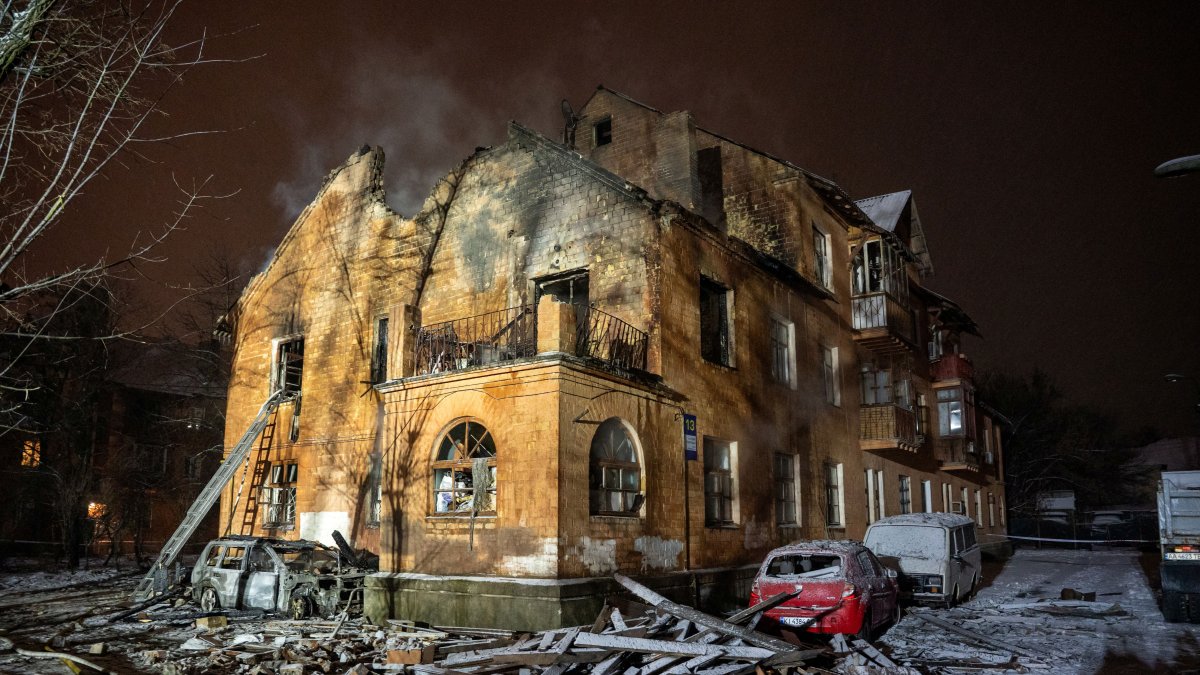
Residential building after Russian strikes in Kiev.

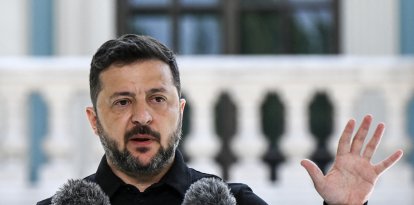
A massive overnight attack launched by Russia against Ukraine caused damage to 20 residential buildings in Kiev and nearby areas, as well as affecting the Qatari embassy, per Ukrainian President Volodymyr Zelensky.
The president noted that a Russian drone hit the Qatari diplomatic headquarters, and that 20 other properties in the capital were also affected. The president also confirmed that four people were killed, a figure that had already been reported by the police.
"Overall, last night there were 242 drones. There were also 13 ballistic missiles targeting energy facilities and civilian infrastructure, one Oreshnik medium-range ballistic missile, as well as 22 cruise missiles. The attack took place exactly when there was a significant cold spell. Aimed precisely against the normal life of ordinary people," Zelenski stated in X.
Several districts of Kiev were left in darkness during what Mayor Vitali Klitschko, called a "massive enemy missile attack."
Russia attacks Ukraine with hypersonic missile
Russia's Defense Ministry assured that it employed an Oreshnik hypersonic missile, which can have nuclear capability, against "strategic targets" in the early hours of Friday morning. According to Moscow, this was retaliation for an alleged drone strike in December against a residence of President Vladimir Putin, which Ukraine denies.
Russia had already used such a projectile with a conventional warhead to hit the city of Dnipro in central Ukraine in late 2024.
Russia keeps up the pressure in the dead of winter
As Ukraine and its Western partners seek to end the war, which is approaching its fourth year, it was agreed this week that Europe would send troops to Ukrainian territory once an eventual ceasefire is reached.

However, Moscow, which launched the invasion in February 2022, has repeatedly rejected the possibility of Western forces deploying there, warning on Thursday that any foreign contingent would be considered a "legitimate military target."
In parallel to diplomatic efforts to bring to a close the deadliest conflict in Europe since World War II, Russia has kept up the pressure with daily attacks in the dead of winter and in bitterly cold temperatures.
LATEST