EU suspends retaliatory tariffs after striking trade deal with the US
Had the United States and the EU failed to reach a trade agreement, countermeasures worth an estimated $109 billion would have taken effect on August 7.
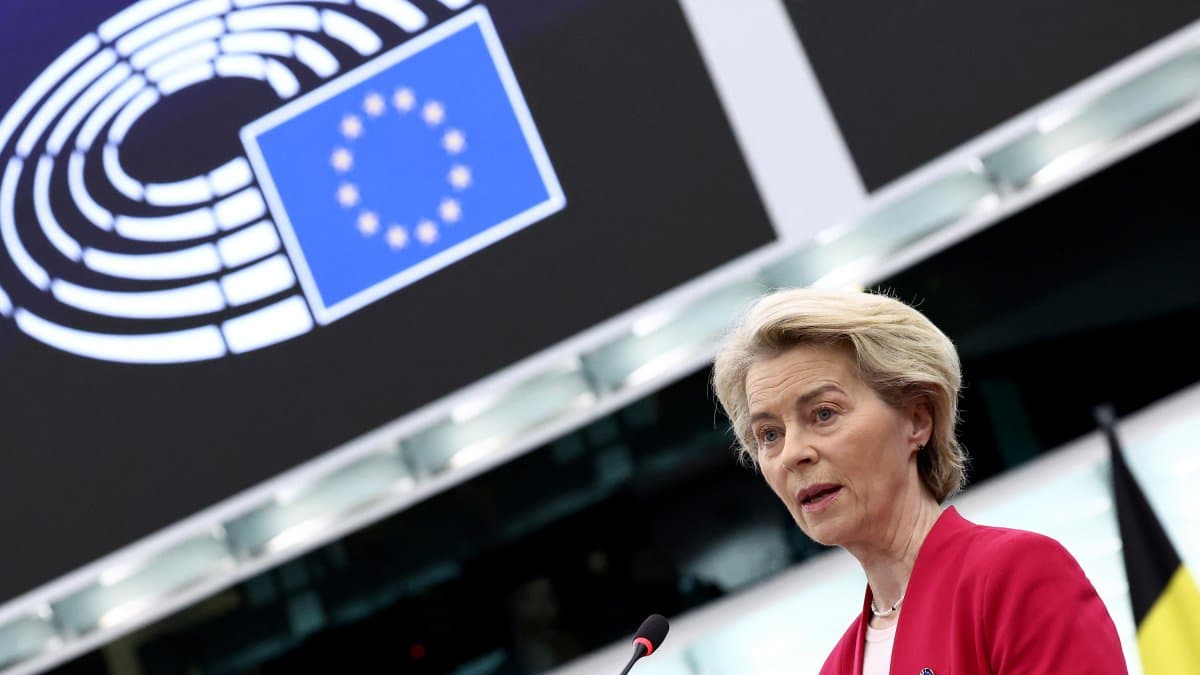

The European Union (EU) announced Tuesday that it will suspend retaliatory measures against tariffs imposed by the Trump administration, following the trade agreement reached with Washington.
In recent months, the European Commission drafted a list of U.S. products to be taxed if no agreement was reached between the United States and the EU. These measures, valued at roughly $109 billion, were set to take effect progressively starting August 7.
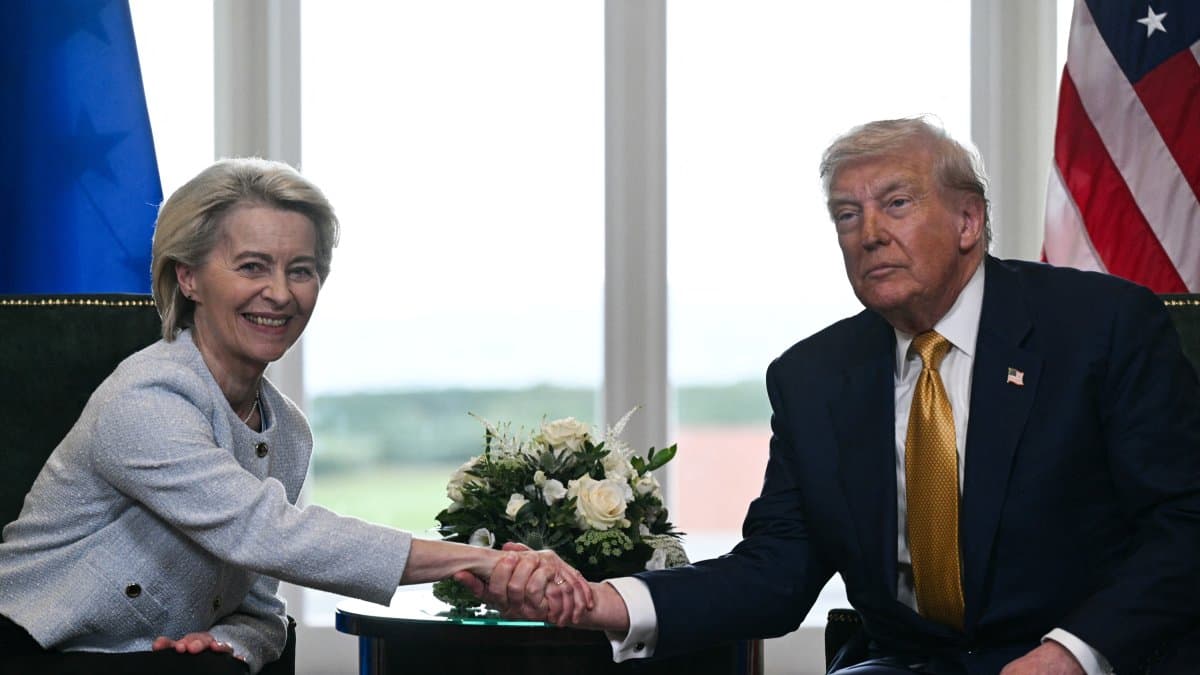
After months of tense negotiations, the United States and the European Union reached a trade agreement at the end of July, setting tariffs at 15% for European products exported to the U.S., down from the previously planned 30%.
The EU also agreed to purchase $750 billion worth of energy and $600 billion in military equipment from the United States.
"The [European] Commission today [Tuesday] adopted the necessary legal procedure to suspend the implementation of our European countermeasures," said a spokesman for the European executive, Olof Gill.
However, the EU has not ruled out reinstating retaliatory measures if trade tensions with the Trump administration flare up again.
"We put [these measures] in the freezer but we can always bring them back out," a European official, who requested anonymity, told AFP.
The world reacts to Trump's tariffs
After the deadline passed, Trump adjusted the tariff rates for products from a dozen countries — including Syria (41%), Switzerland (39%), and Canada (35%) — and again delayed their implementation, this time until August 7.
Reactions were mixed, ranging from celebrations to complaints and calls for renegotiation. China voiced some of the strongest objections, stating it was "systematically and clearly" opposed to the measure and warning, "There is no winner in a tariff war or trade war."
🛠 Do you think there is an error in this article?
Recommendations





LATEST