The Australian government has added YouTube to its list of social networks banned for children and teenagers
The decision came shortly after Australia's internet regulator urged Prime Minister Anthony Albanese's government to revoke the exemption granted to the video platform.
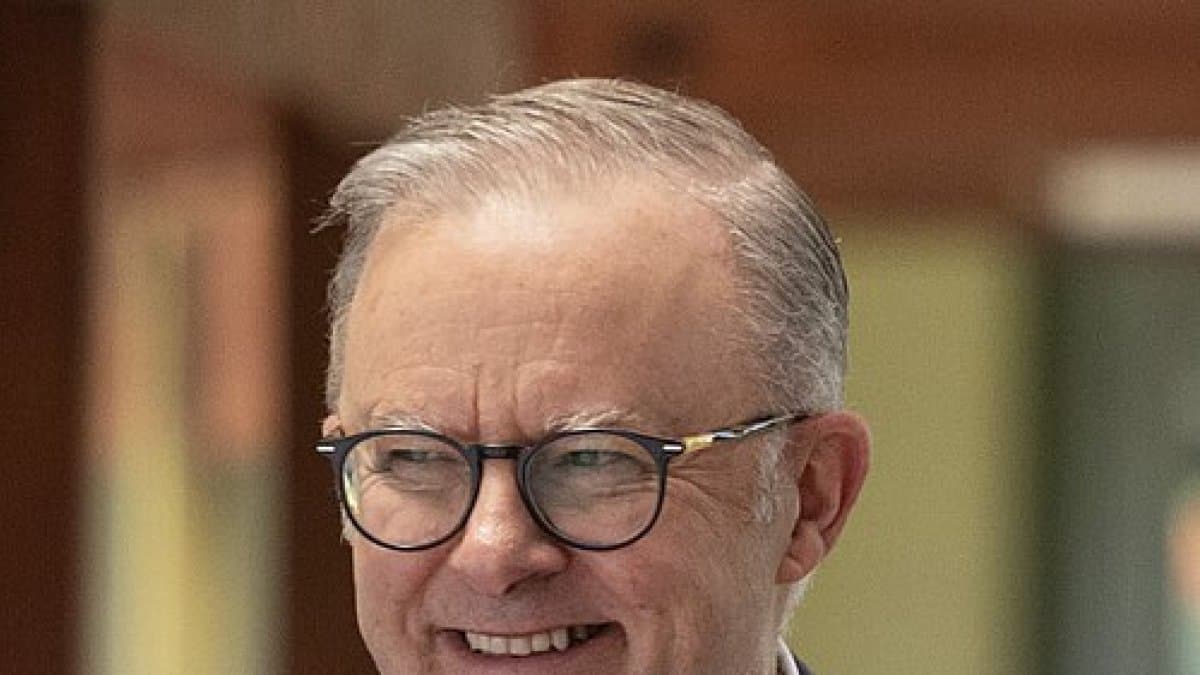
The Australian government announced Tuesday thatit will add YouTubeto the list of websites covered by its ban on social networking for teenagers, reversing an earlier decision that exempted the popular video platform. The decision came shortly after Australia's internet regulator urged Prime Minister Anthony Albanese's government to revoke the exemption granted to YouTube, after citing a survey detailing how 37% of minors had reported viewing harmful content on the Alphabet-owned platform.
"Social media has a social responsibility and there is no doubt that Australian kids are being negatively impacted by online platforms so I'm calling time on it. I want Australian parents to know that we have their backs," Albanese, who has been criticized by several Australian opposition figures, said in a statement, saying the action appears to demonstrate a lack of clear rules.

YouTube argues it is not a social network
The decision taken by the Australian government extends the ban that will officially take place in December. In response, the video platform said in a statement that YouTube is used by nearly three-quarters of Australians aged 13 to 15, adding that it should not be considered a social network, unlike others such as Facebook, Twitter or Instagram. YouTube argued that, far from being a case like the aforementioned platforms, this one would have as its main activity the hosting of videos.
Since Albanese announced last year that his government would exempt the famous video platform due to its popularity among Australian teachers, numerous social networks that were included in the ban, including TikTok and Snapchat itself, publicly expressed their discontent and criticized the Australian government for this decision. These social networks argued that YouTube should not be exempt from the ban, as this platform shared key features with their products, including the permission it gives users to interact with each other and even the recommendation of different types of content through algorithms.
Australia vs. Alphabet
🛠 Do you think there is an error in this article?
Recommendations




LATEST