Bukele responds to the Maduro regime's investigation: "Now they scream and get indignant because they ran out of hostages from the most powerful country in the world"
The Chavista dictatorship initiated an investigation, without evidence, against the Salvadoran president for alleged inhumane treatment of Venezuelan immigrants sent to Caracas.
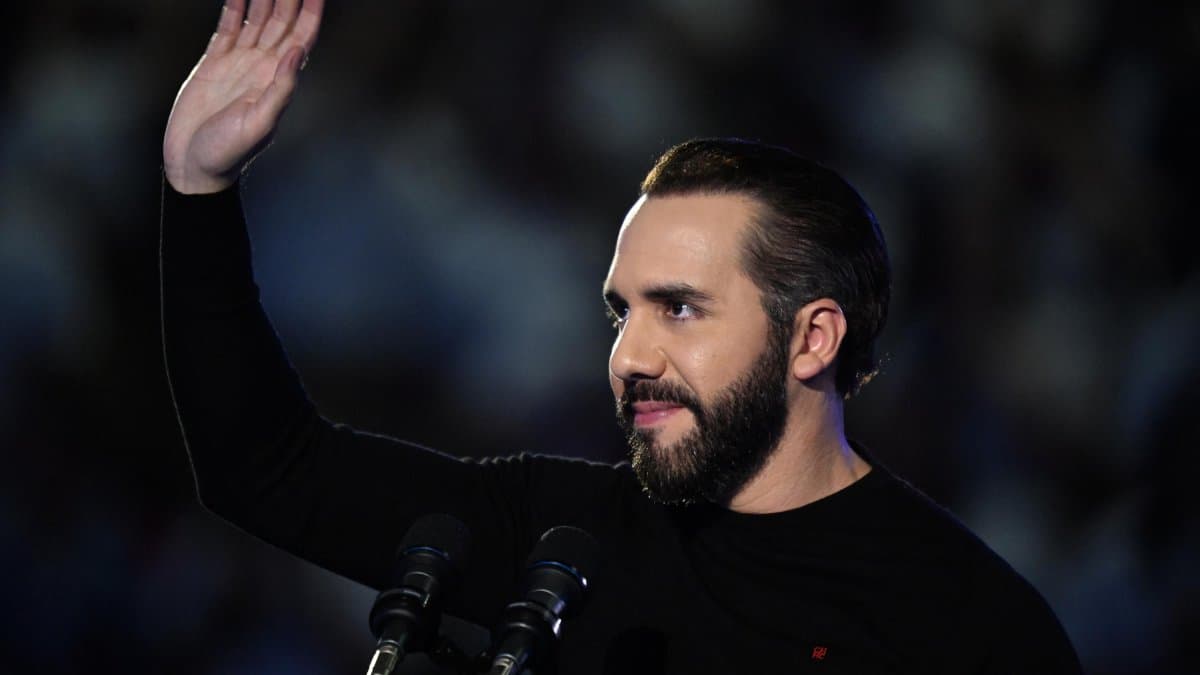

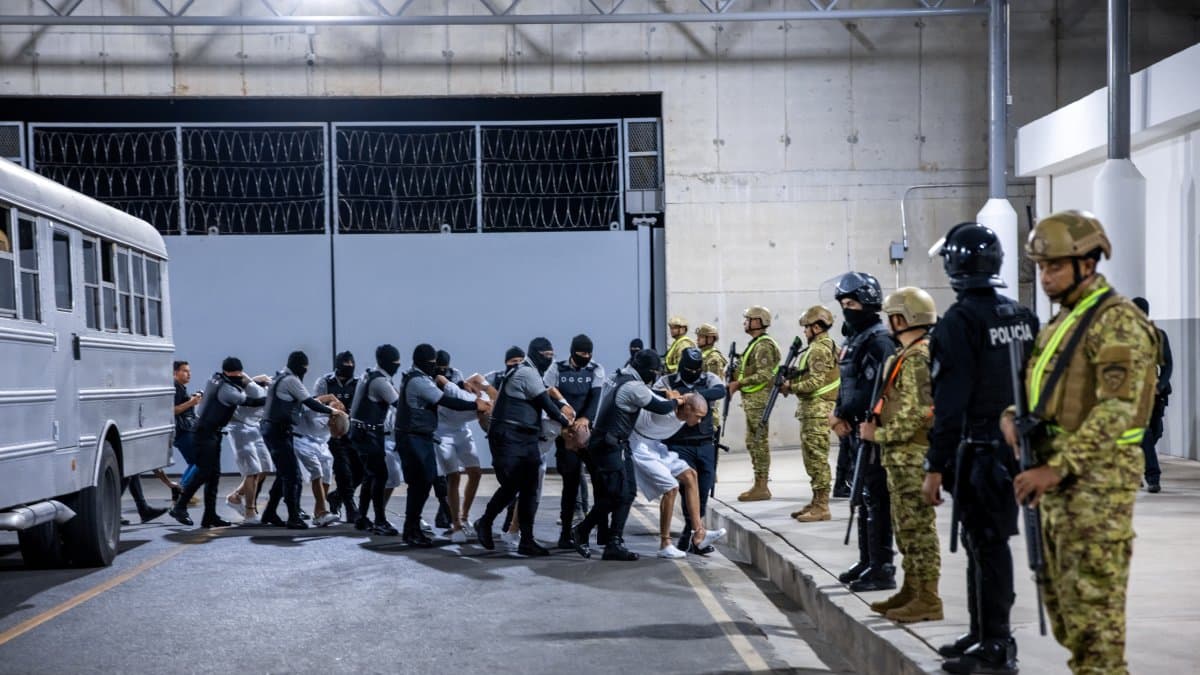
The president of El Salvador, Nayib Bukele, responded to the judicial offensive launched by the regime of Nicolás Maduro, which accuses him of human rights violations against Venezuelan immigrants—several of them with criminal records—who were detained in the Salvadoran maximum security prison, CECOT.
"The Maduro regime was satisfied with the exchange agreement; that's why they accepted it. Now they are screaming and outraged, but not because they disagree with the deal, but because they just realized that they ran out of hostages from the most powerful country in the world," Bukele said on 'X,' referring to the prisoner exchange between the United States and Venezuela finalized last week.
El régimen de Maduro estaba satisfecho con el acuerdo de intercambio; por eso lo aceptaron.
Ahora gritan y se indignan, pero no porque estén en desacuerdo con el trato, sino porque acaban de darse cuenta de que se quedaron sin rehenes del país más poderoso del mundo.
The Salvadoran president's reaction comes after the socialist regime's attorney general, Tarek William Saab, announced the opening of a formal investigation against Bukele and two high-ranking Salvadoran officials—the Minister of Security, Gustavo Villatoro, and the director of Penal Centers, Osiris Luna—for alleged acts of torture and cruel treatment against Venezuelans who were deported from the US and held in the CECOT for several months.
According to the Chavista prosecutor, the immigrants—accused by El Salvador of being linked to the criminal organization 'Tren de 'Aragua'—would have been victims of "mistreatment, beatings, rape, prolonged exposure to artificial light, and systematic humiliation." The regime, accused of committing crimes against humanity, claims to have collected 123 testimonies that support the complaint.
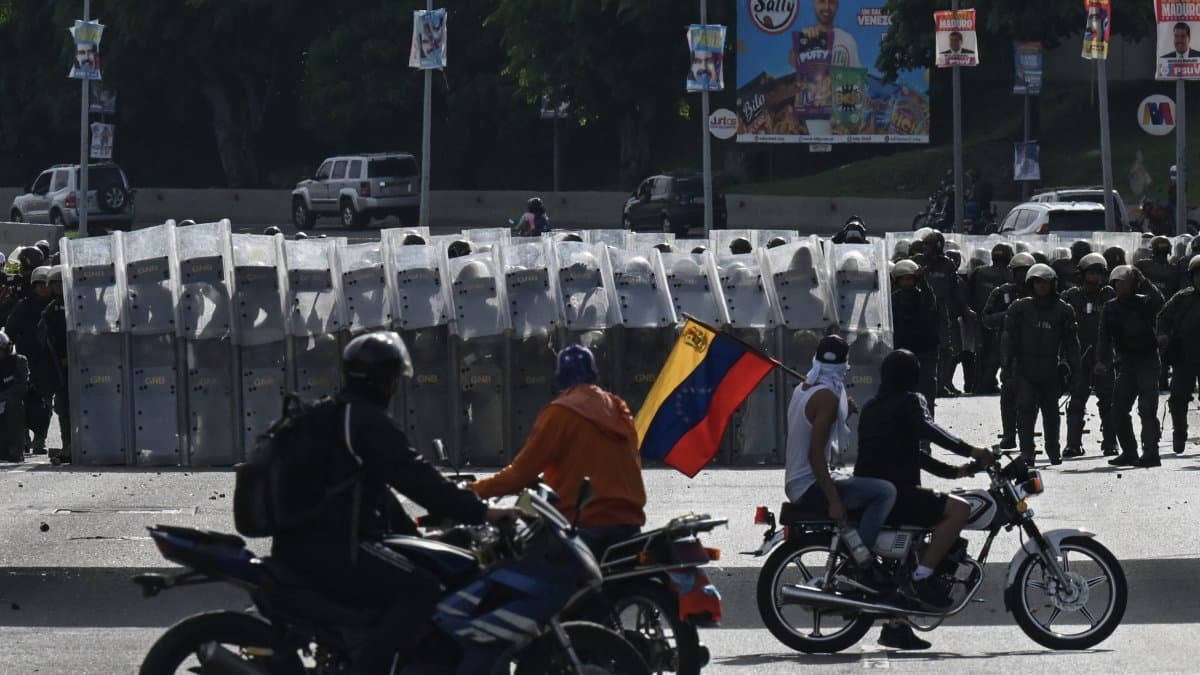
The investigation initiated by the Maduro regime has been received with skepticism and irony by several human rights organizations and the international community, which for years have denounced the systematic crimes committed by the Chavista security forces against political dissidents in Venezuela.
Although the regime recently released 59 opposition leaders following the hostage agreement with Washington, close to 1,000 dissidents remain imprisoned, according to several human rights organizations. Many of them are in conditions of absolute isolation and are victims of cruel and inhumane treatment in detention centers such as El Helicoide, infamous for its torture practices.
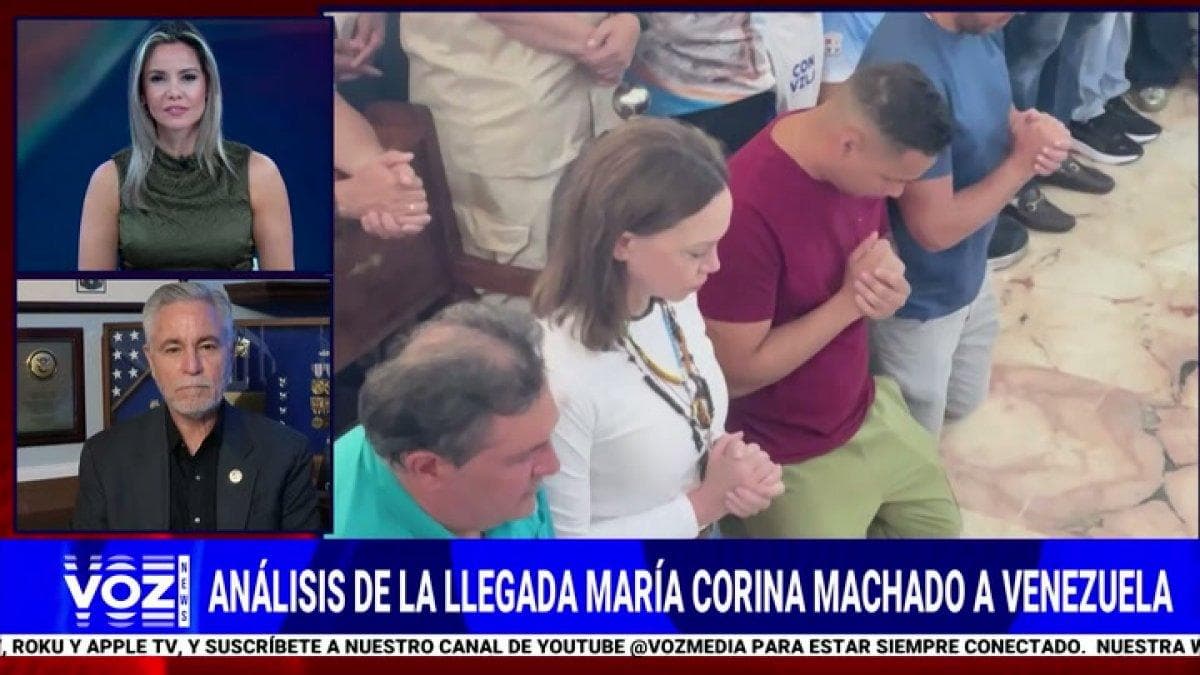
Following the releases, opposition leader María Corina Machado—who remains in hiding due to threats from the regime—denounced the application of the so-called "revolving door" strategy: releasing some political prisoners while detaining others in order to keep political hostages as bargaining chips and perpetuate the climate of fear and intimidation.
While there are hundreds of Venezuelans in detention, Washington at least managed to free all Americans kidnapped by the Maduro regime, reducing its bargaining power.
🛠 Do you think there is an error in this article?
Recommendations
LATEST