







Data centers in space: the new frontier of artificial intelligence
U.S. start-up Starcloud took the first step this week by sending a refrigerator-sized satellite containing an Nvidia GPU, a "mini data center," into space.
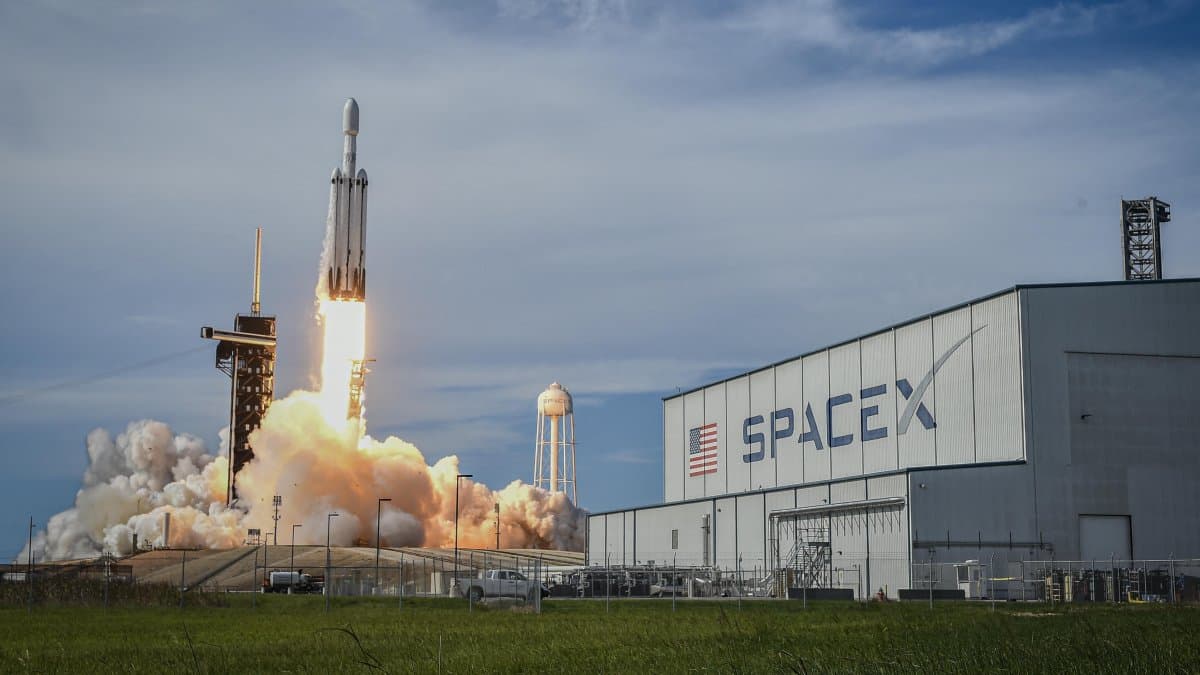

The big tech companies are exploring an idea that until recently seemed like science fiction: building data centers in space to harness solar power and alleviate the growing energy demands imposed by the rise of artificial intelligence (AI).
U.S. start-up Starcloud took the first step this week by sending a refrigerator-sized satellite containing Nvidia's "mini data center," marking what the chipmaker called a "cosmic debut," the AFP picked up.
Its CEO, Philip Johnston, assured that soon "it will make more sense to build data centers in space than on Earth."

Tech & Science
Meta raises its spending on artificial intelligence and closes the gap with Microsoft
Sabrina Martin
The project follows announcements by Google, which plans to launch test satellites in 2027 under its Suncatcher program, and Elon Musk, who claimed that SpaceX could deploy data centers in orbit next year with the help of its Starlink network.
What are the advantages of this idea?
Experts such as Christopher Limbach of the University of Michigan argue that the technology is possible, but costs are still an obstacle. Others, such as Krishna Muralidharan of the University of Arizona, believe the proposal could become commercially viable within the next decade, while Jeff Bezos estimates it will take twice as long.
Elon Musk would win in the race to set up data centers in space
Elon Musk could have a decisive advantage in the race to build data centers in space over competitors such as Jeff Bezos, Eric Schmidt and Starcloud, mainly for two reasons: cost and technological capability.

World
Google to invest $15 billion in India and build the largest AI center outside the US
Carlos Dominguez
On the one hand, its rivals' projects face huge economic and logistical barriers. Building a 1 gigawatt space data center would require more than 150 launches with current technology, which is unfeasible. In addition, Starcloud's plan, which calls for a 4-kilometer-wide solar array, would be extremely complex to assemble in orbit.
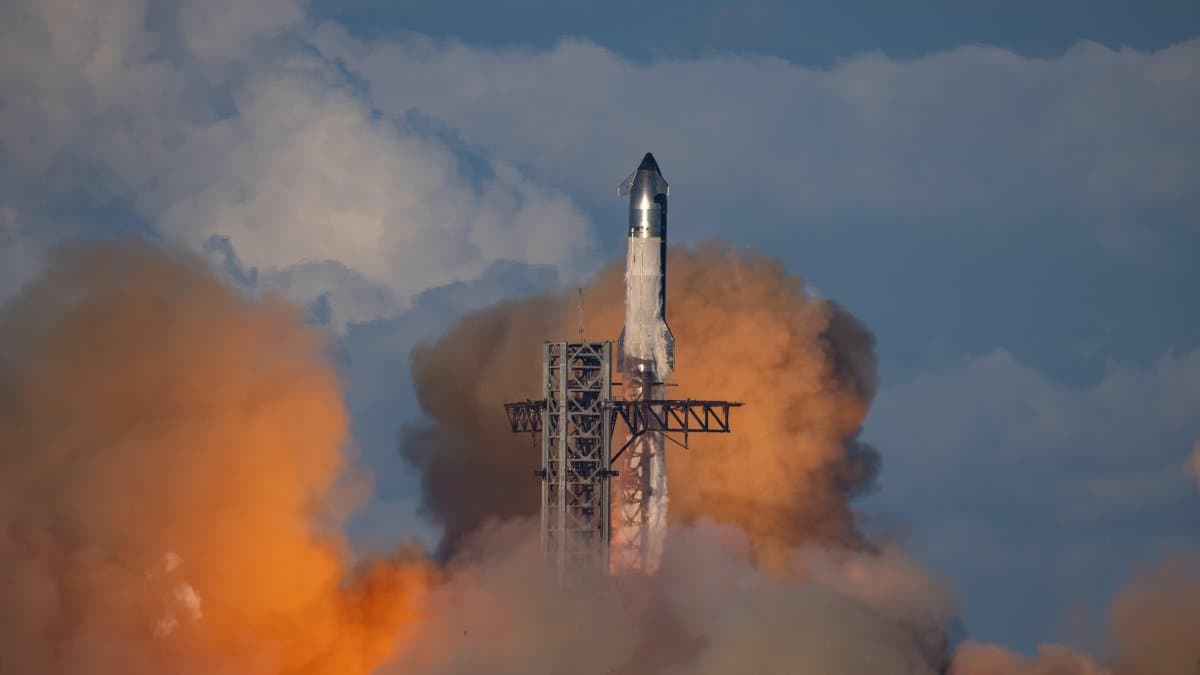
Musk, on the other hand, already has the necessary infrastructure. His company SpaceX has the Starship rocket, the largest and most powerful in the world, on which other competitors depend to launch their own projects. And it doesn't need to create a new data center from scratch: it can leverage and scale its Starlink network, which already acts as a global communications and data processing mesh.
Simply scaling up Starlink V3 satellites, which have high speed laser links would work.
SpaceX will be doing this.
With more than 10,000 satellites in orbit and the launch of a new generation (Starlink V3) equipped with high-speed laser links, each Starship flight will add 60 terabits per second of capacity to its network. While others are still planning how to build their orbital structures, Musk just needs to keep launching satellites to consolidate a system that is already operational and expanding.
With the growing need for power for AI systems and advances in space transportation, orbiting data centers could become a reality sooner than it seems.
🛠 Do you think there is an error in this article?
Recommendations






LATEST