Nearly 1.6 million pounds of sausages, bacon and other meats are being recalled nationwide
The Department of Agriculture's Food Safety and Inspection Service classified the recall as the most serious level due to the risk of serious health consequences or even death.
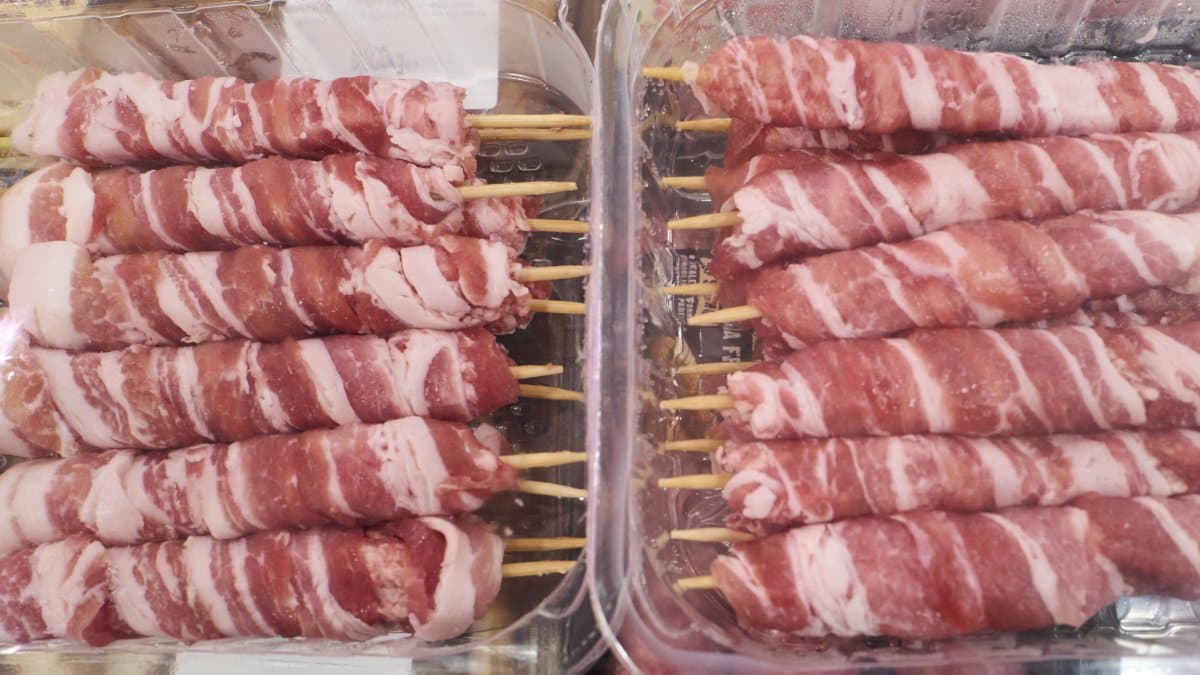

Nearly 1.6 million pounds of ready-to-eat meat and poultry products, including sausages, bacon, brisket and ham, are being recalled nationwide due to potential temperature issues during storage.
According to Fox Business, the company Kayem Foods Inc. announced a voluntary recall of approximately 1,584,361 pounds of products after federal authorities detected possible temperature deviations at the facilities where the food was stored.
The Food Safety and Inspection Service (FSIS), part of the Department of Agriculture, assigned the recall its highest severity rating. This category indicates that there is a "reasonable likelihood" that consumption of the affected products could result in "serious adverse health consequences or death."
Society
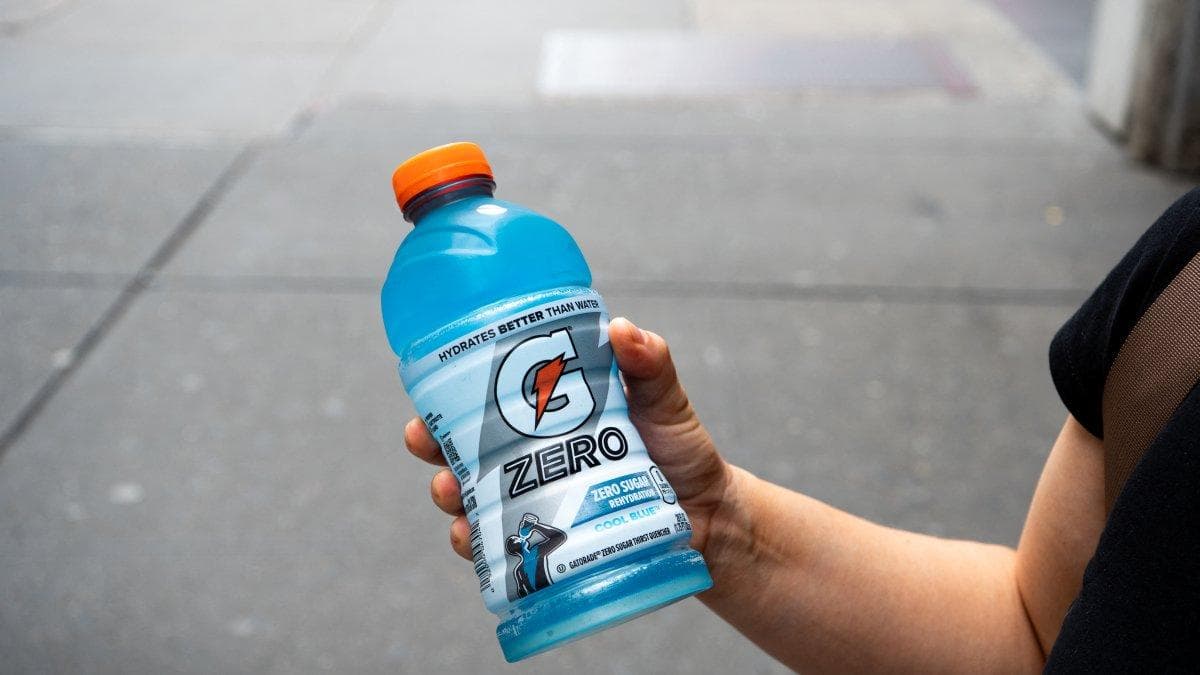
More than 122,000 cases of Gatorade recalled for containing undeclared color additives
Williams Perdomo
The products were distributed to retail and foodservice establishments nationwide, as well as to Hong Kong. The affected items were manufactured approximately between March 31 and Oct. 7, 2026.
The packaging bears one of the following establishment numbers within the USDA inspection stamp: "EST. M/P 7839," "EST. P 20935A" and "EST. M 9520."
Affected products
Kayem Beef & Pork Hot Dogs.Kayem Double Smoked Thick Cut Bacon, double-smoked thick-cut bacon.Kayem Slow Smoked Beef Brisket, slow-smoked beef brisket.Genoa Hot Ham.Al Fresco Roasted Pepper & Asiago Chicken Sausage, chicken sausages with roasted peppers and Asiago cheese.Triple M Boneless Ham Steaks, boneless ham steaks.
A failure in the refrigeration system
The problem came to light after the company received a complaint on Oct. 1 from a retail customer regarding the high temperature of the products at the time of delivery.
After investigating the incident, the company determined that several ready-to-eat meat and poultry products had been stored in a cold storage room at a warehouse where temperature deviations occurred.
Kayem attributed the problem to a failure in the refrigeration system at one of its facilities. The company stated that it had corrected the issue and was carrying out the recall as a precautionary measure.
🛠 Do you think there is an error in this article?
Recommendations








LATEST